


About Moss Landing
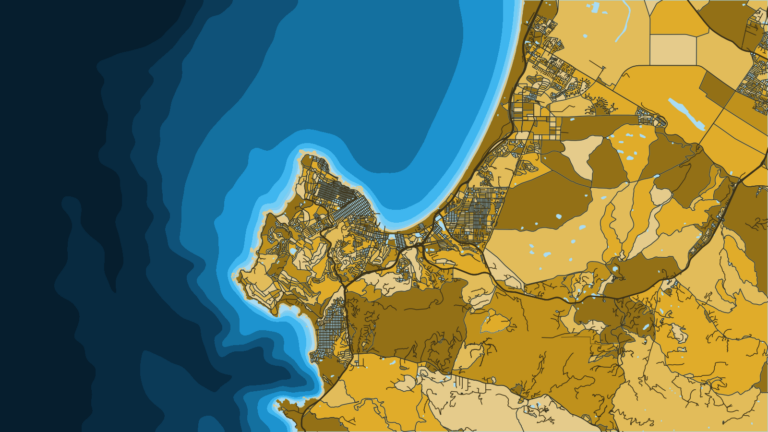
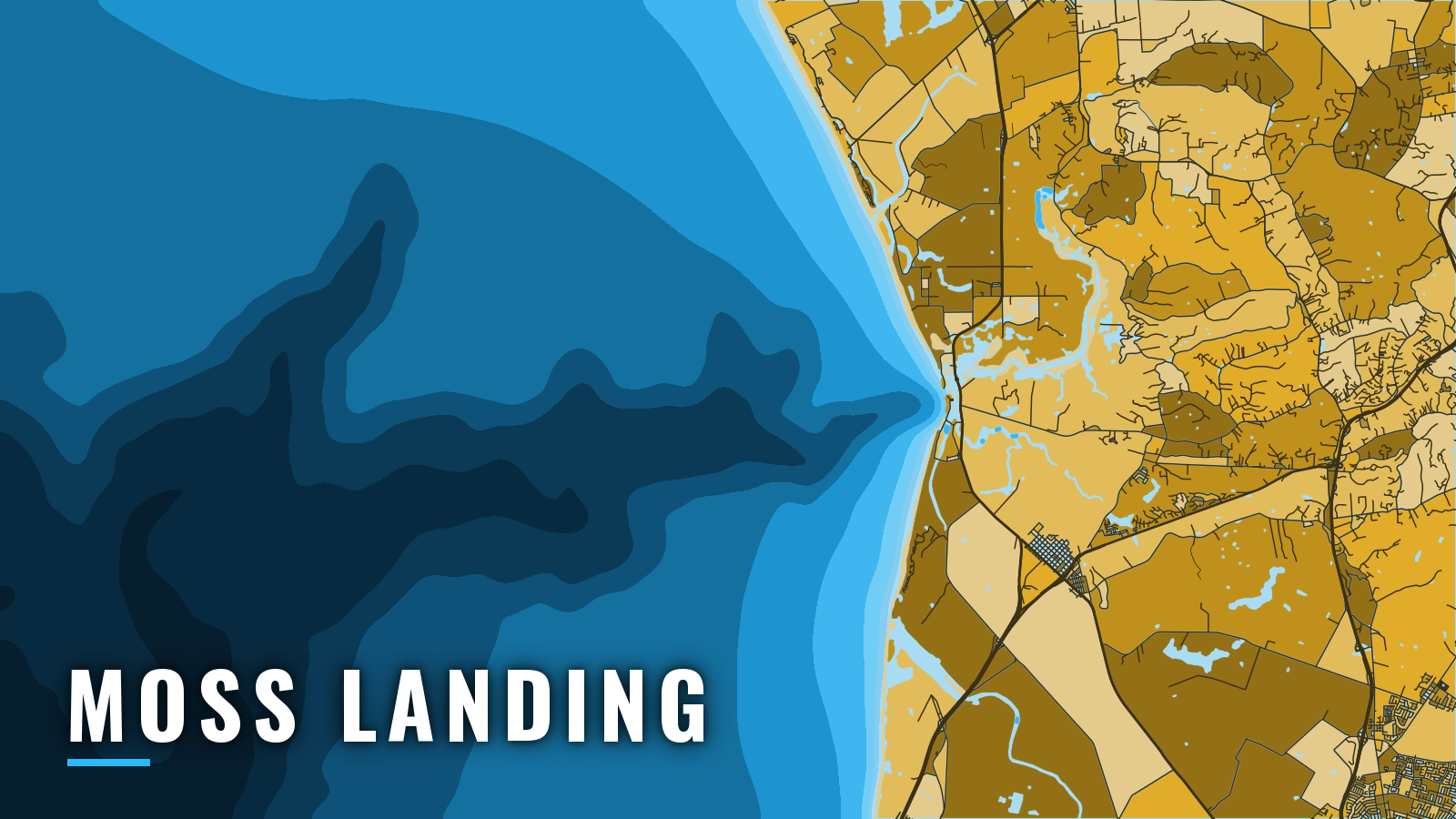
Moss Landing sits on the east shore of Monterey Bay, midway between Santa Cruz and Monterey, with the head of Monterey Canyon close to the beach. Deep water is a short run from the harbor mouth. The grounds lie within Monterey Bay National Marine Sanctuary, and the entrance is a jettied channel running northeast to the turning basins, per NOAA’s Coast Pilot 7.
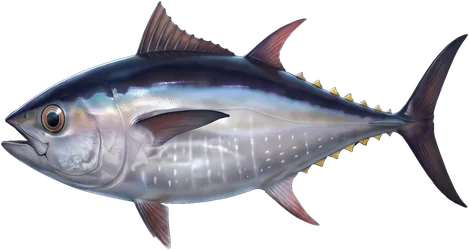
Anglers here target rockfish, lingcod, California halibut, king salmon, bluefin tuna, Dungeness crab and flatfish, with groundfish opening April 1. For the wider Pacific Southwest picture, see our regional guide. Seasons, depth and bag rules are on our California regulations page.
Access and navigation
The Moss Landing Harbor District runs the public ramp and the slips.
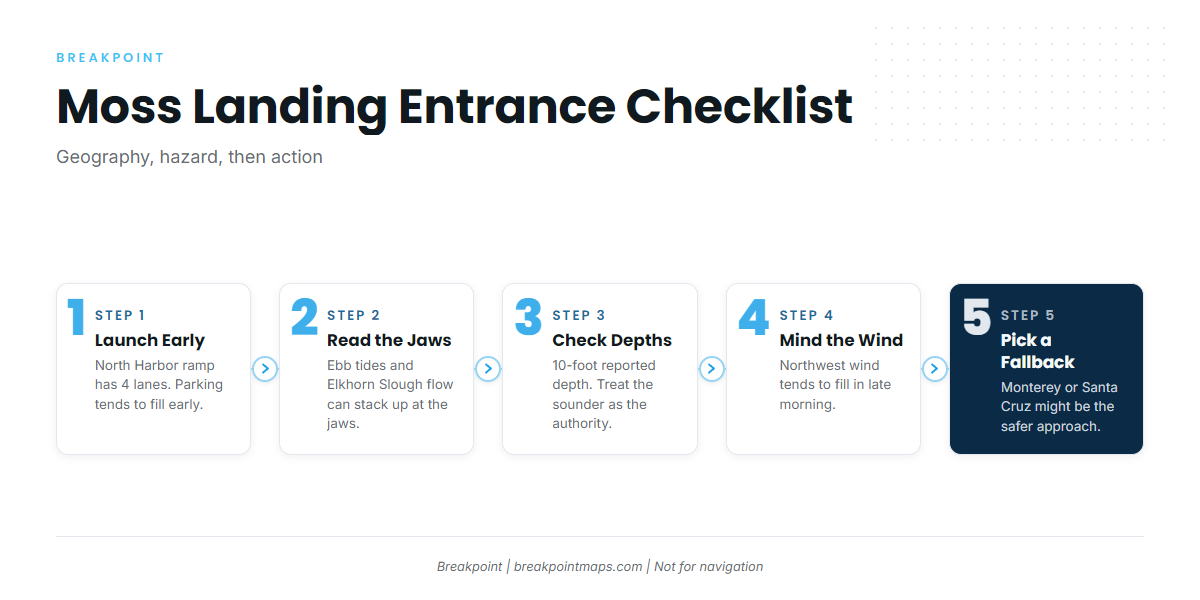
- Moss Landing North Harbor launch ramp – 4 lanes with floating docks, a restroom and a boat wash. Truck-and-trailer parking is ample but fills early. Check the District for current fees.
- Moss Landing Harbor – North and South Harbor slips with transient berths. Transient boats report to the harbormaster for an assignment. Fuel, pump-out and haul-out are listed in the state boating facility listing.
The entrance channel leads northeast on a 052.5 degree lighted range. Lights stand on the outer ends of both jetties, with a sound signal at the south jetty light. Shoaling tends to occur on the south side of the channel between the jetties. Elkhorn Slough fills and drains through this mouth, and according to the Harbor District, a big tide swing can push water in or out hard enough to make getting out or back in a challenge. Water can also stack up at the jaws. With a southwesterly wind on an ebb tide, slight breaking seas can cross the entrance.
The North Harbor channel is privately buoyed and leads north from the outer turning basin. Its reported controlling depth is 10 feet, and the basin runs 10 to 16 feet. Shoaling is frequent and the chart can lag the bottom, so rely on the sounder.
Prevailing wind is northwest. Sudden shifts have been reported from late morning to early afternoon, and the new wind builds a west and northwest chop across the existing swell. The surface may not show the true wind for the first few hours. Because the wind tends to fill in late morning, the run home is often into a building chop. Fog can close in and hide traffic near the entrance.
An area of turbulent water from the power plant discharge lies about 250 yards southwest of the south jetty light. Kayaks and canoes can be hard to see, and the District asks boaters to keep to the far right-hand side of the channel. Sea otters float near the launch area.
If the entrance shows breaking seas on a southwesterly wind and an ebb, consider Monterey Harbor on the south shore or Santa Cruz on the northwest shore. Check the water and the NWS marine forecast for Monterey Bay when you arrive, and change plans if conditions look bigger than you want.
Fishing conditions
The main offshore ground is the Monterey Canyon edge, close to the harbor. The Soquel Hole area toward the north side of the bay fishes reef and canyon edge. California halibut hold on the nearshore sand, and tuna fishing happens in the offshore water past the canyon. Restrictions apply inside Soquel Canyon State Marine Conservation Area, so check boundaries on the CDFW marine protected area map before setting up near the north canyon edges.
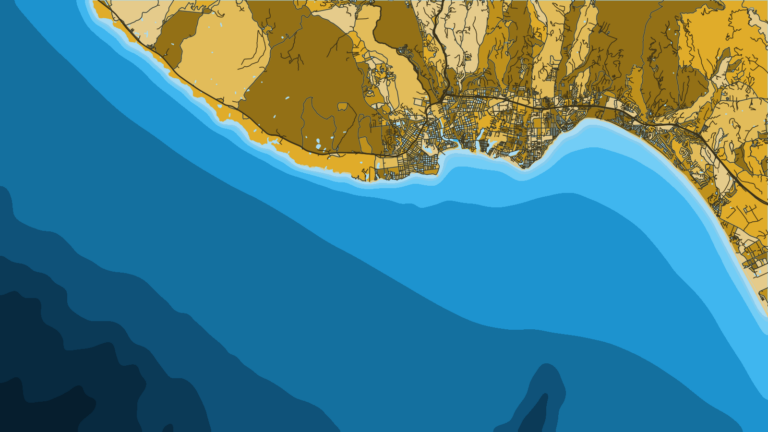
OBS SST and Chlorophyll show where the offshore edges set up, and Chart Contours traces the canyon edge. Chart layers are not for navigation.
Winter
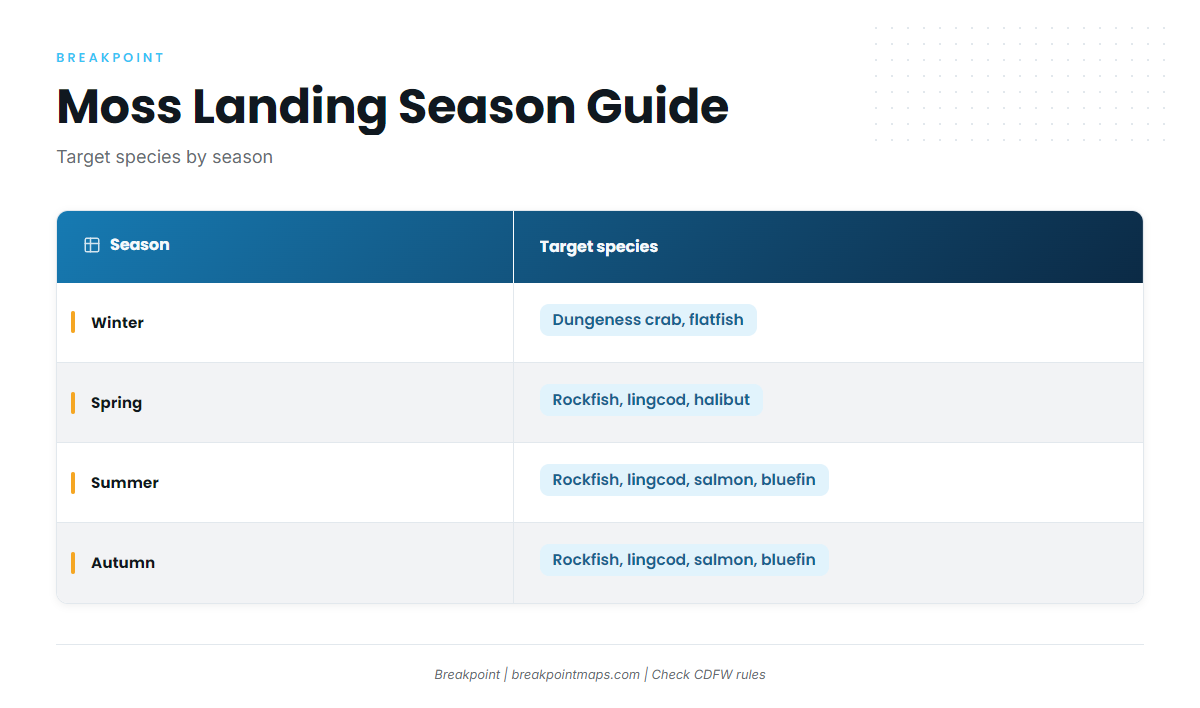
In winter, Moss Landing anglers target Dungeness crab and flatfish. Boat groundfish are closed January 1 through March 31 in the Central Management Area. Crab openings and whale-entanglement measures shift year to year, so check CDFW before setting gear.
Spring
The April 1 groundfish opening puts rockfish and lingcod back on the canyon edge and reefs. Groundfish are open April 1 through December 31 at all depths in the Central Management Area. The CDFW ocean regulations booklet has current rules, and CDFW can change them in season. California halibut start showing on the nearshore sand, and crab and flatfish carry over from winter. Salmon openings vary year to year, so check CDFW.
Summer
In summer, Moss Landing fishes rockfish, lingcod, California halibut and king salmon, with bluefin tuna possible in the offshore water in some years. Mornings are usually the better window, before the northwest wind fills in.
Autumn
In autumn, rockfish, lingcod and king salmon continue, and bluefin tuna can hold in the offshore water past the canyon. See the bluefin pattern across the region for how it plays out along the coast. In warm-water years, albacore can push within range past the canyon. Crab and flatfish return, and CDFW sets the crab opening.