



Ocean City at a glance
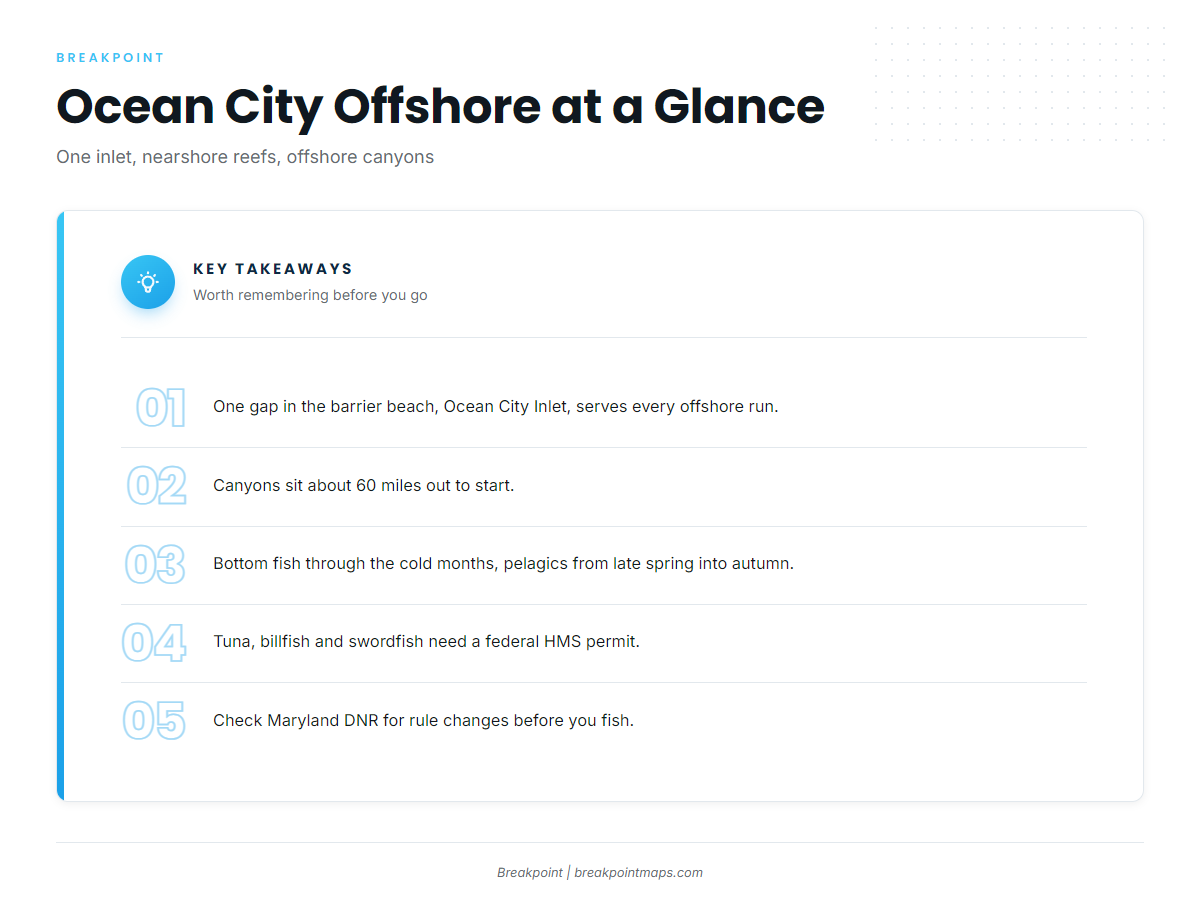
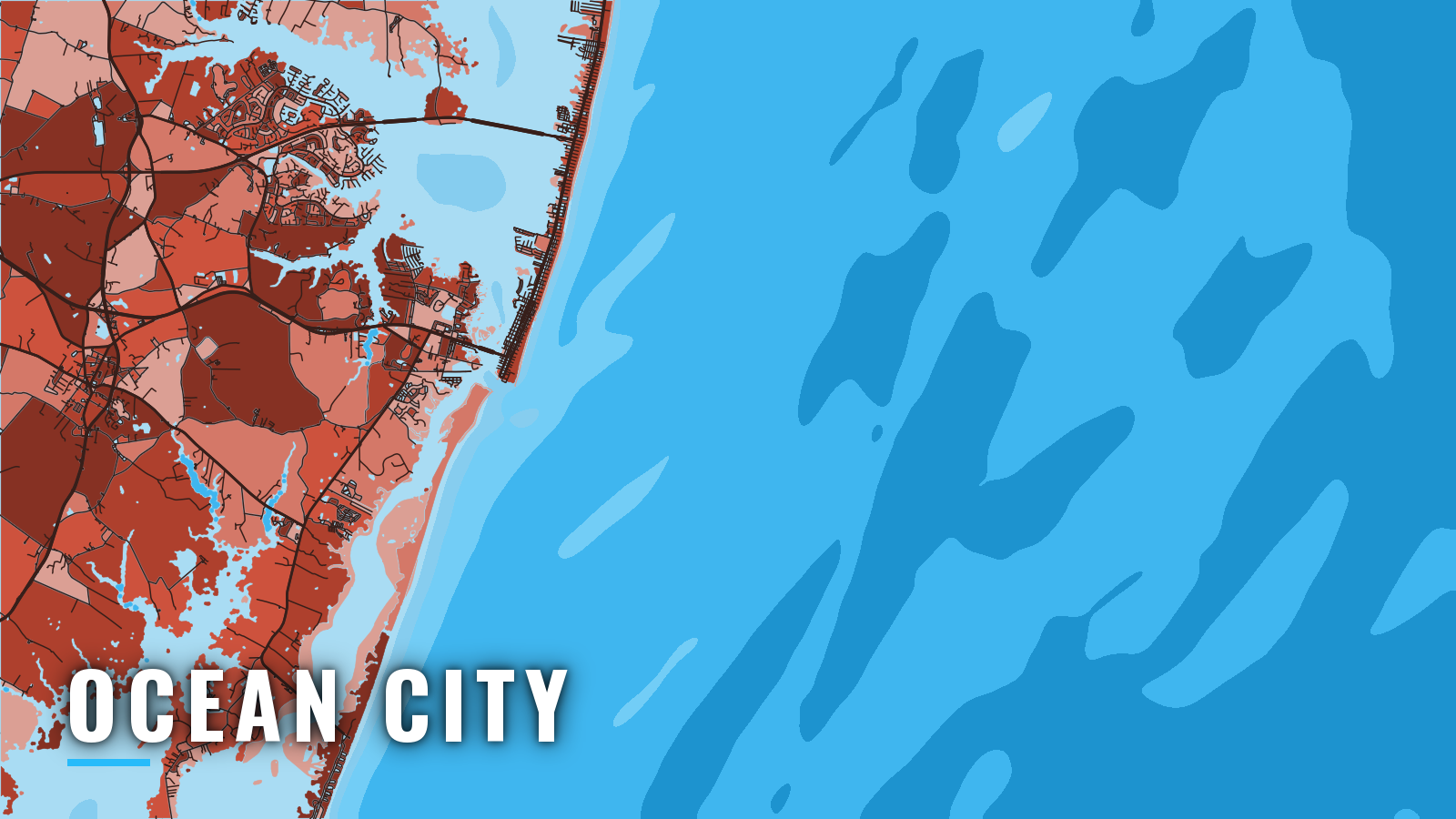
Offshore fishing out of Ocean City, MD runs through one gap in the barrier beach, Ocean City Inlet. Isle of Wight, Assawoman and Sinepuxent bays sit behind the beach. The inlet connects the coastal bays and the West Ocean City berths to nearshore reefs and to offshore canyons, which start about 60 miles out. The geography is laid out in the U.S. Coast Pilot 3 chapter for the Delaware-Maryland-Virginia coast.
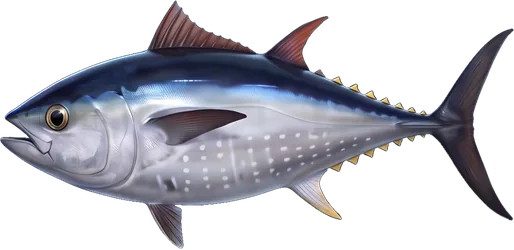
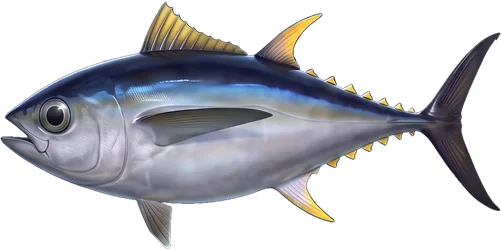
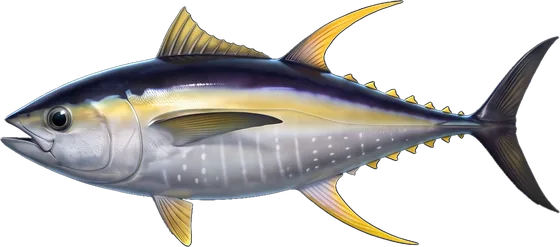
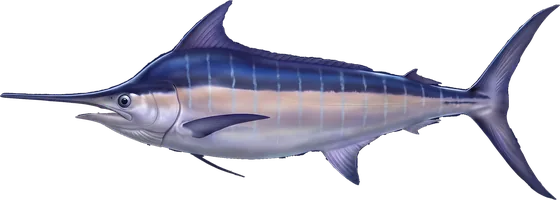
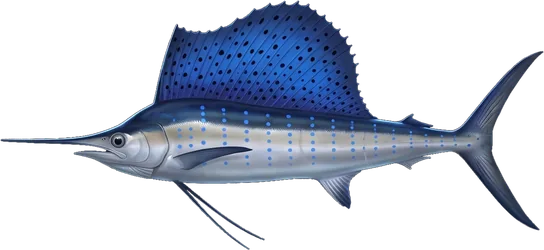
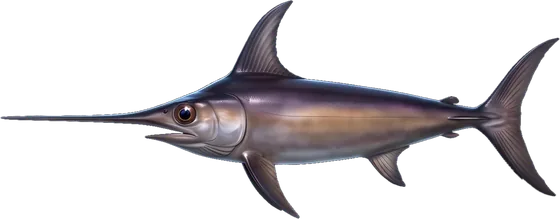
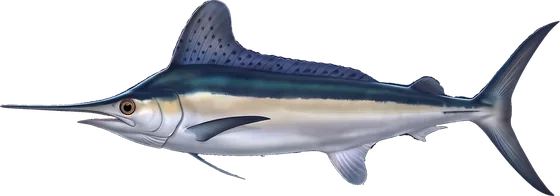
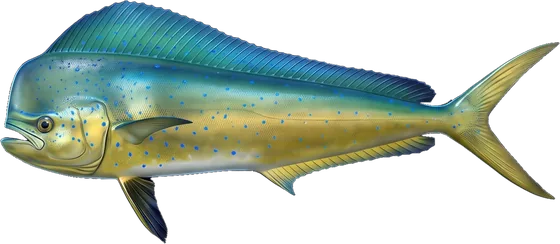
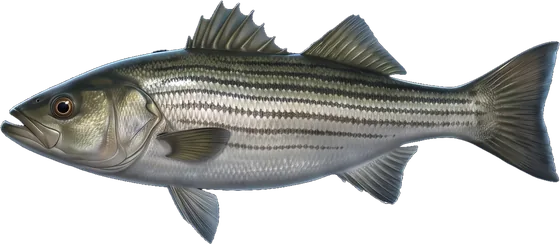
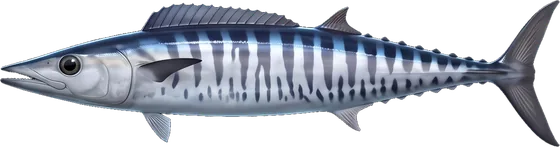
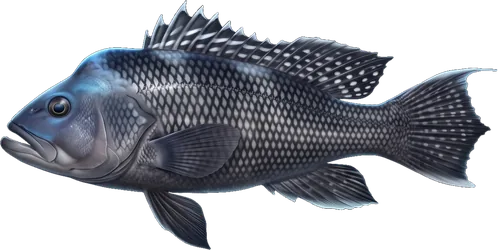
Bottom fish carry the cold months, and pelagics run from late spring into autumn. The target list includes white and blue marlin, yellowfin, bigeye and bluefin tuna, mahi-mahi, wahoo, swordfish, black sea bass, tautog, flounder and striped bass. For the wider picture, see Mid-Atlantic and Northeast offshore fishing.
Tuna, billfish and swordfish are federal Highly Migratory Species, and fishing for them requires an HMS permit. Maryland DNR sets state-waters rules and changes many of them by notice, so check Maryland DNR rule changes and our Maryland fishing rules before you fish.
Access and navigation
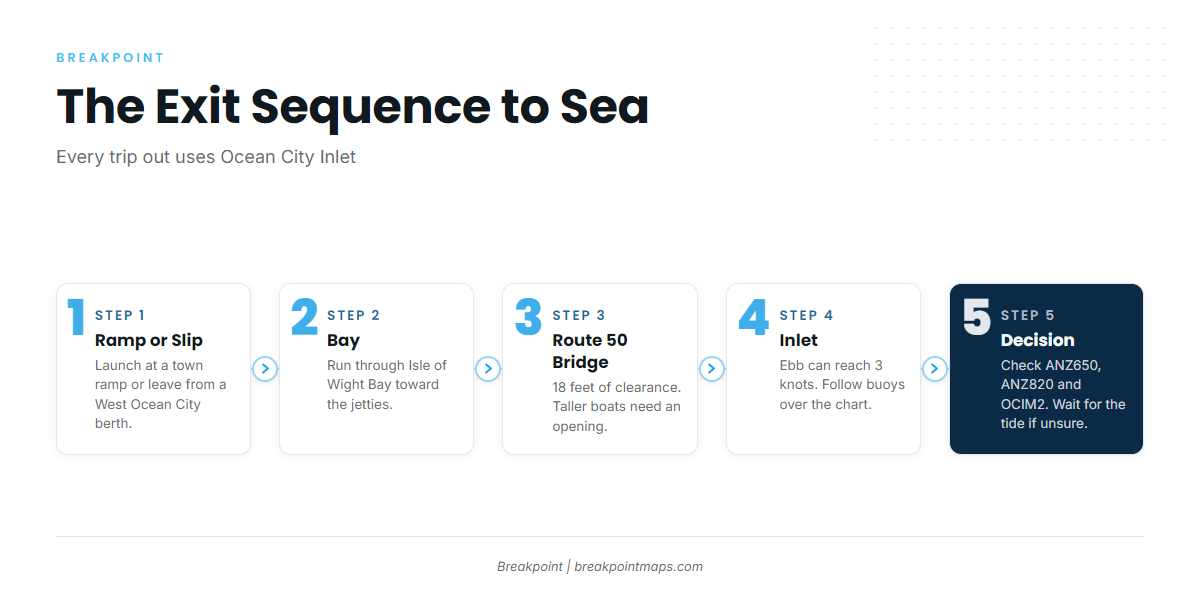
All traffic to sea uses Ocean City Inlet. West Ocean City has the fuel docks and the harbor nearest the jetties.
Public ramps and marinas:
- 64th Street Boat Ramp – town ramp on the bayside, Ocean City.
- Little Salisbury Boat Ramp – town ramp at 87th St., Bering Road.
- Ocean City Commercial Harbor ramp – Sunset Avenue, West Ocean City, near the inlet.
- Gum Point Road ramp – public ramp off Gum Point Road.
- Assateague Island Park ramp – public ramp on the Assateague side.
- Sunset Marina – West Ocean City, fuel.
- Ocean City Fishing Center – fuel, slips with ocean access and no bridges.
- Bahia Marina – marina on the Ocean City side.
The inlet shoals and the sand shifts. Lighted buoys mark the channel and get moved, so the chart can lag behind; follow the buoys over the chart. A strong ebb runs in the inlet, and currents in the strongest parts of inlets on this coast can reach 3 knots at times.
An outgoing tide against an easterly wind or swell tends to stand waves up at the mouth. The north jetty and the outer end of the south jetty are covered at high water. In summer, boats anchor near both jetties, which can narrow the usable channel. Keying the mic 5 times on VHF 83A can set off the north jetty light’s sound signal. Coast Pilot 3, Chapter 8 covers these points.
Inside, the Route 50 bridge over Isle of Wight Bay is a bascule span with 18 feet of clearance, 0.9 mile above the jetties. The tender monitors VHF 16 and works 13 and 68. Taller boats need an opening.
There is no second ocean entrance on this stretch, so the alternative is timing: run the inlet on the flood, or wait for the tide to turn. Inside, the choice is between a no-bridge berth at Ocean City Fishing Center and a route through the Route 50 span.
Look at the water when you arrive, and check the NWS inshore forecast (zone ANZ650), the offshore forecast (zone ANZ820) and NDBC station OCIM2. If the inlet looks bigger than you want, wait for the tide to turn or hold inside.
Fishing conditions
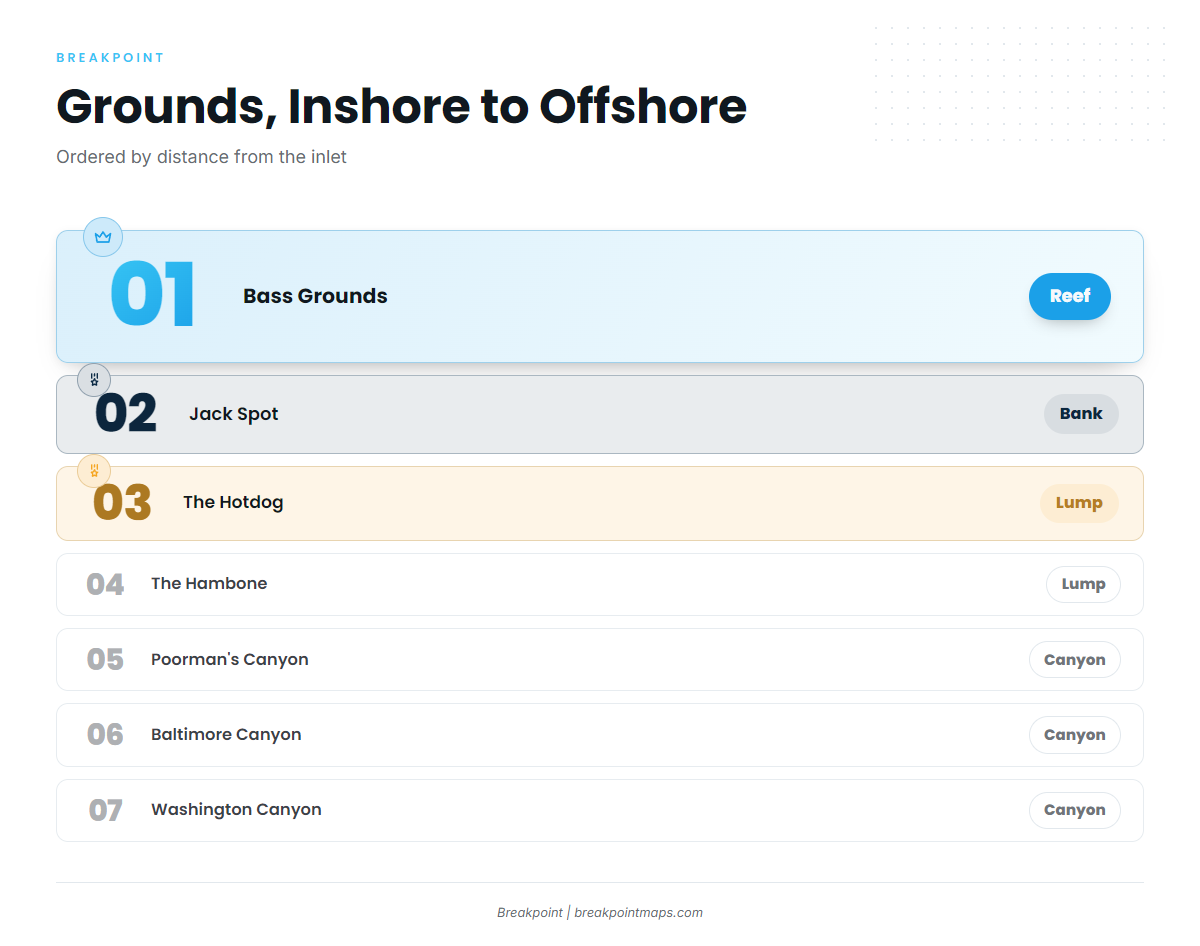
Offshore fishing here splits between the inshore lumps and banks and the canyon edges. The named grounds, from inshore to offshore:
- Bass Grounds (reef)
- Jack Spot (bank)
- The Hotdog
- The Hambone
- Poorman’s Canyon (canyon)
- Baltimore Canyon (canyon)
- Washington Canyon (canyon)
OBS SST and Chlorophyll show where the temperature breaks sit before you commit fuel to a canyon run. Chart layers are not for navigation.
Winter
Tautog and striped bass fish inshore structure. Striped bass may be kept only in state waters, inside 3 miles, because the striped bass federal waters closure bars fishing for or possessing them from 3 to 200 miles.
Spring
Black sea bass, flounder and bluefish arrive inshore, and tautog and striped bass carry over. Offshore, the first yellowfin tuna and bigeye tuna can show up, along with mako shark. Temperature breaks tend to decide where they hold.
Summer
Summer carries the full pelagic list: white and blue marlin, bluefin, yellowfin and bigeye tuna, mahi-mahi, wahoo, swordfish and mako. The white marlin bite tends to build through the warm months, and blue marlin join the mix at the canyons. Mahi-mahi fill out the list, along with bigeye and wahoo.
Autumn
White and blue marlin hang on, and bluefin, yellowfin, mahi and wahoo stay in the mix. For regional timing, see the guides on white marlin timing in the region and the Northeast blue marlin season. Tautog and striped bass return inshore, and wahoo can linger at the canyons while the water holds its warmth.