



About Destin
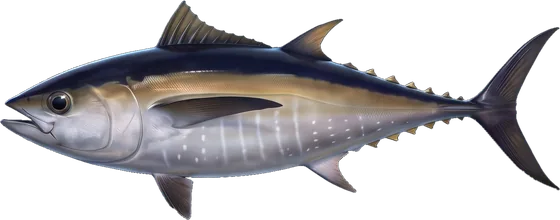
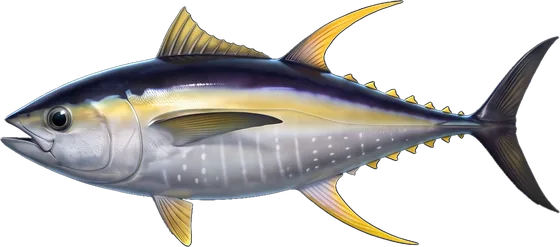
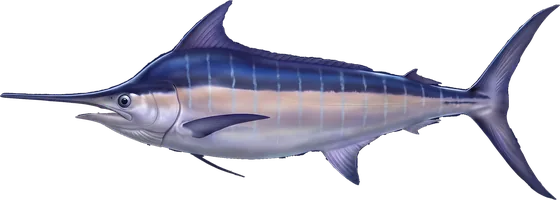
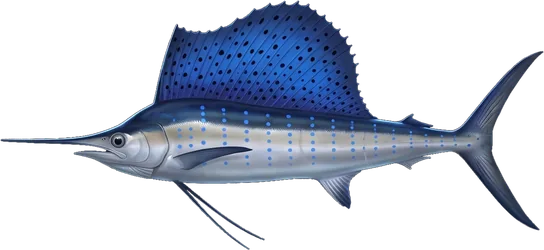
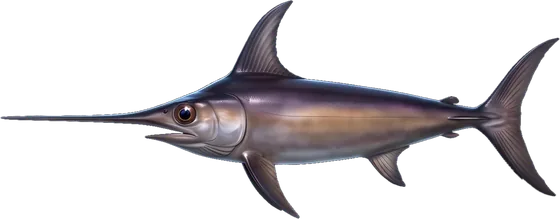
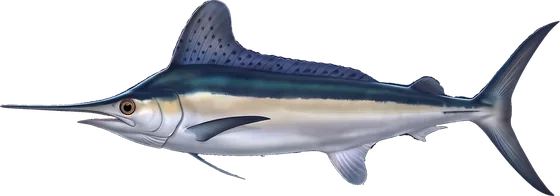
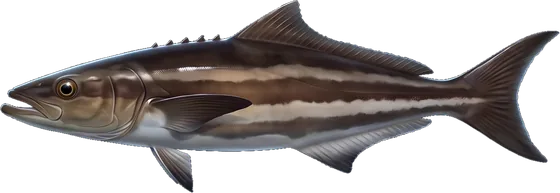
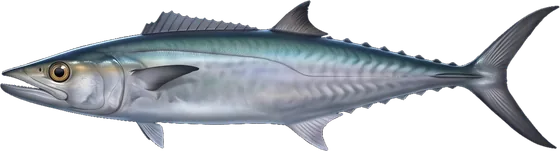
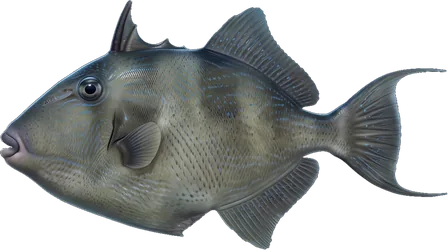
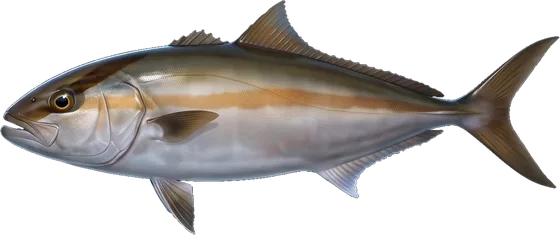
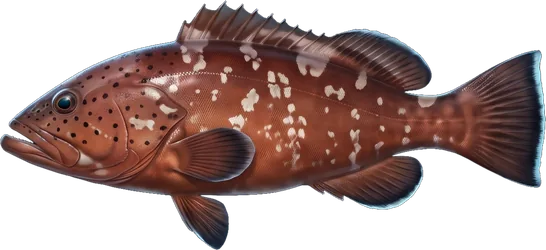
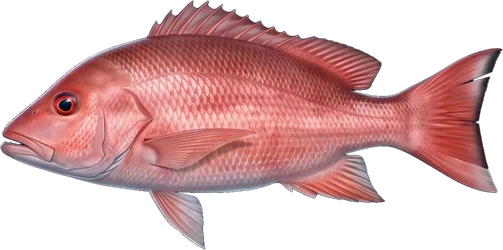
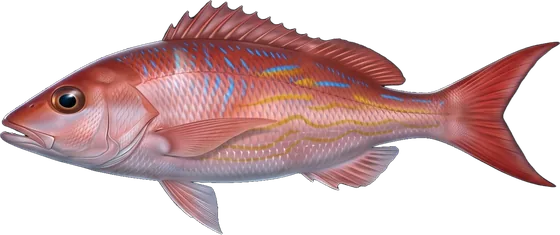
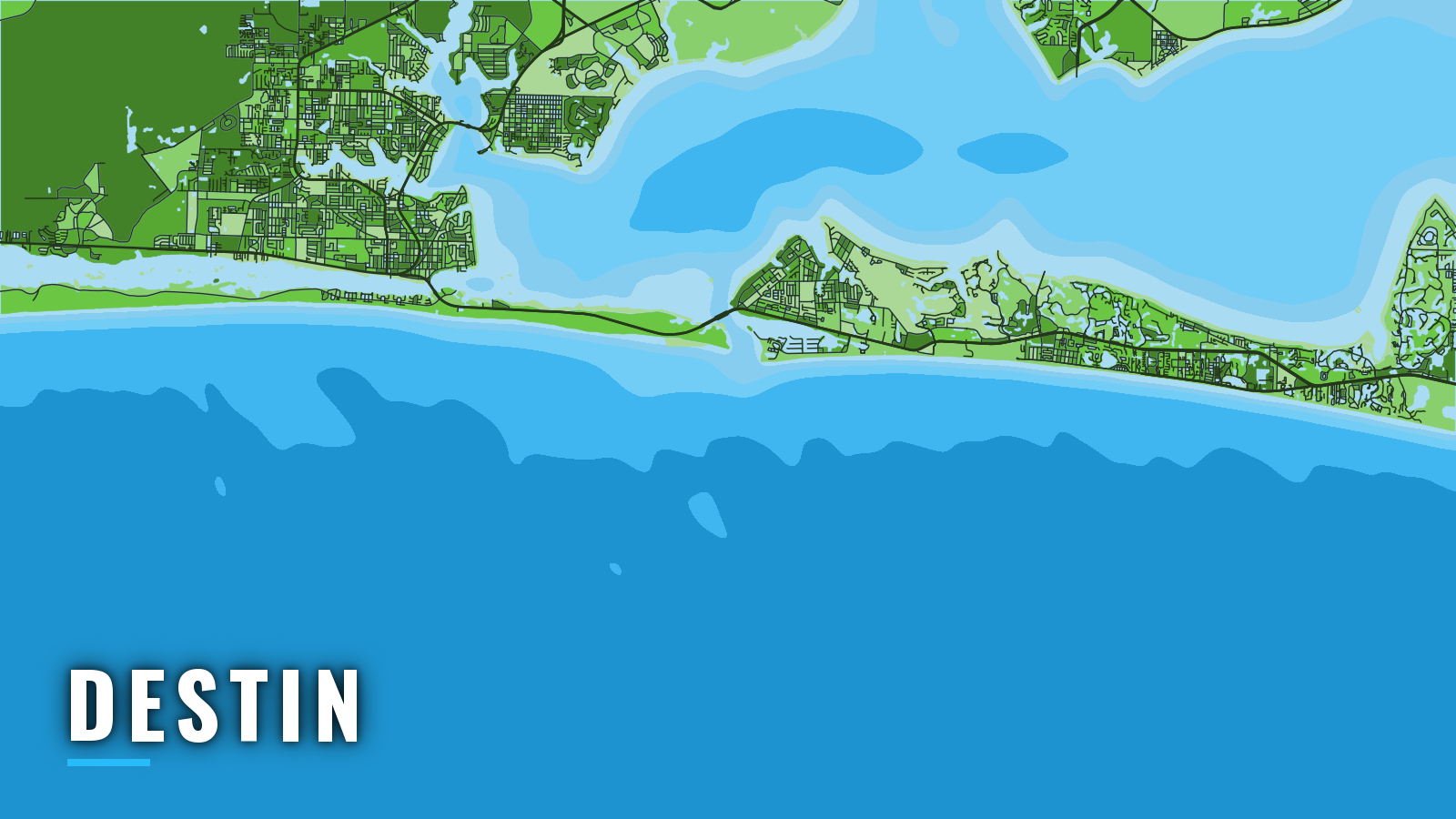
Destin Harbor sits in Old Pass Lagoon, behind a spit on the east side of East Pass, the jettied entrance between Choctawhatchee Bay and the Gulf. Deep water starts close to shore here, and the offshore fishing runs year-round. Anglers target red snapper, amberjack, grouper, triggerfish, king mackerel, cobia, mahi, wahoo, blackfin tuna and billfish, which makes it some of the most varied offshore fishing in the Gulf of America (Gulf of Mexico). Read Florida rules, licensing and the State Reef Fish Angler designation before you load the boat. What follows covers how to get out and back through the pass, and what the water holds by season.
Access and navigation
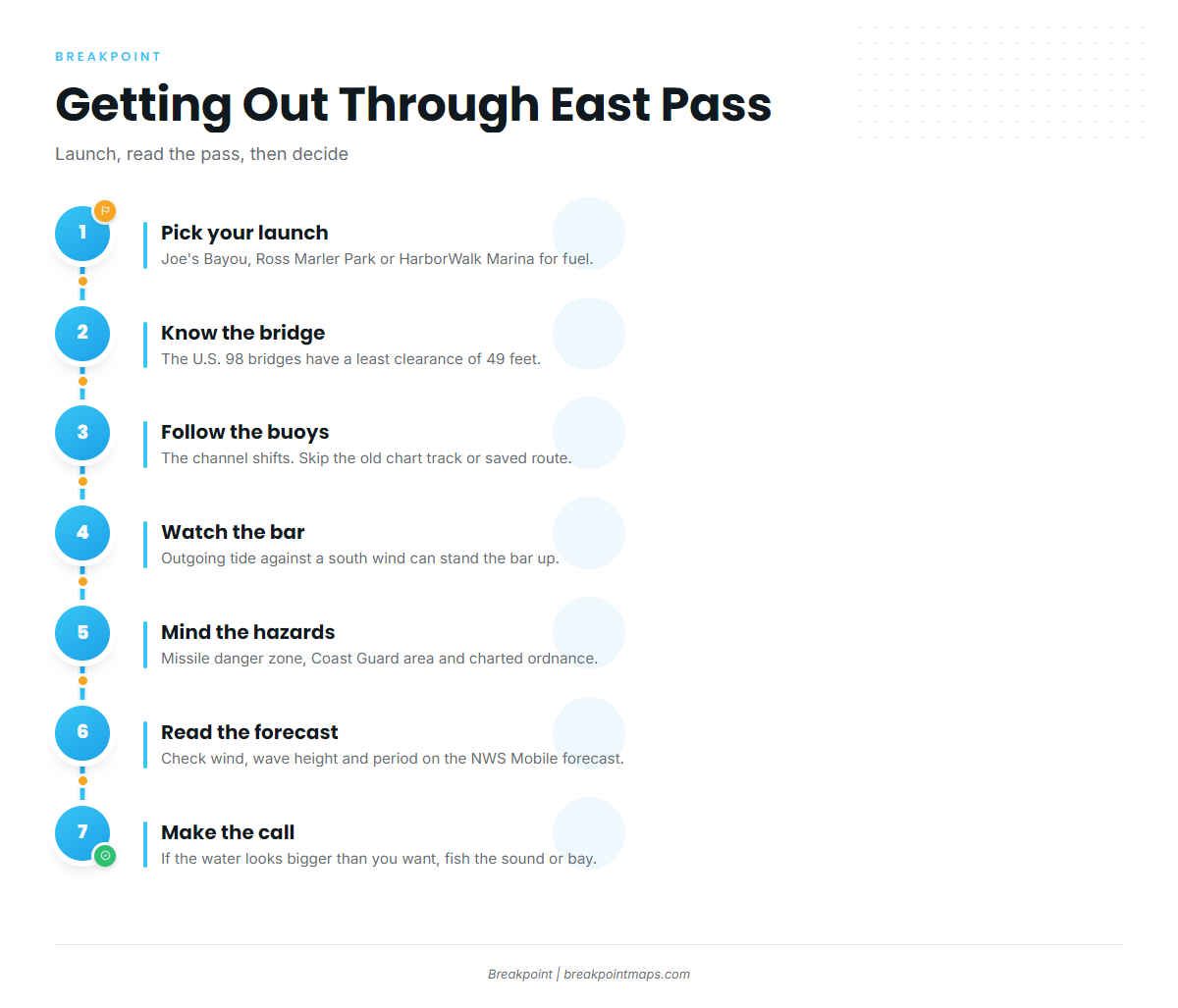
Public launches and marinas for Destin boat ramps and fuel:
- Joe’s Bayou Boat Launchmultiple ramps and trailer parking; fee for non-residents
- Ross Marler Park boat rampramps and trailer parking on Okaloosa Island
- HarborWalk Marinafuel in Destin Harbor
Joe’s Bayou sits about 2 miles northeast of the bay entrance and offers anchorage for small craft.
East Pass leads north from the Gulf into Choctawhatchee Bay. Per Coast Pilot 5, Chapter 6, the jetties carry lights on their seaward ends. The U.S. 98 bridges have a least clearance of 49 feet and are easy to spot from close offshore.
The channel south of the bridges changes often and tends to shoal between dredgings. Buoys get moved to mark the better water, so follow them rather than an old chart track or a saved route.
An outgoing tide against a south or southwest wind can stand the bar up, and chop can stack up near the jetties. The sea tends to break heavily on the beach under south winds, and depths under 30 feet are rarely more than 0.3 mile off the beach. Weekend and holiday traffic through the pass and Destin Harbor tends to be heavy, so plan your timing around it.
Two restricted areas and one hazard sit near the approach. A danger zone for guided missile test operations lies in the Gulf south of Choctawhatchee Bay (33 CFR 334.720). A restricted area surrounds Coast Guard Station Destin, west-southwest of the bridge (33 CFR 334.746). Unexploded ordnance is charted on the bottom about a mile off Santa Rosa Island, roughly 8 miles west of the bay entrance, so keep anchors and bottom gear off it.
If the pass doesn’t suit conditions on a given day, Santa Rosa Sound and The Narrows link Choctawhatchee Bay with Pensacola Bay, giving an inside run west to Pensacola Pass. Liza Jackson Park in Fort Walton Beach launches onto Santa Rosa Sound. You can also stay inside and fish Choctawhatchee Bay.
When you arrive, look at the pass from shore or the ramp, then read the NWS Mobile GMZ655 forecast. Check the wind, wave height and period. The forecast is only a forecast, and what you see at the pass should settle the decision. If it looks bigger than you want, switch to the sound or the bay.
Fishing conditions
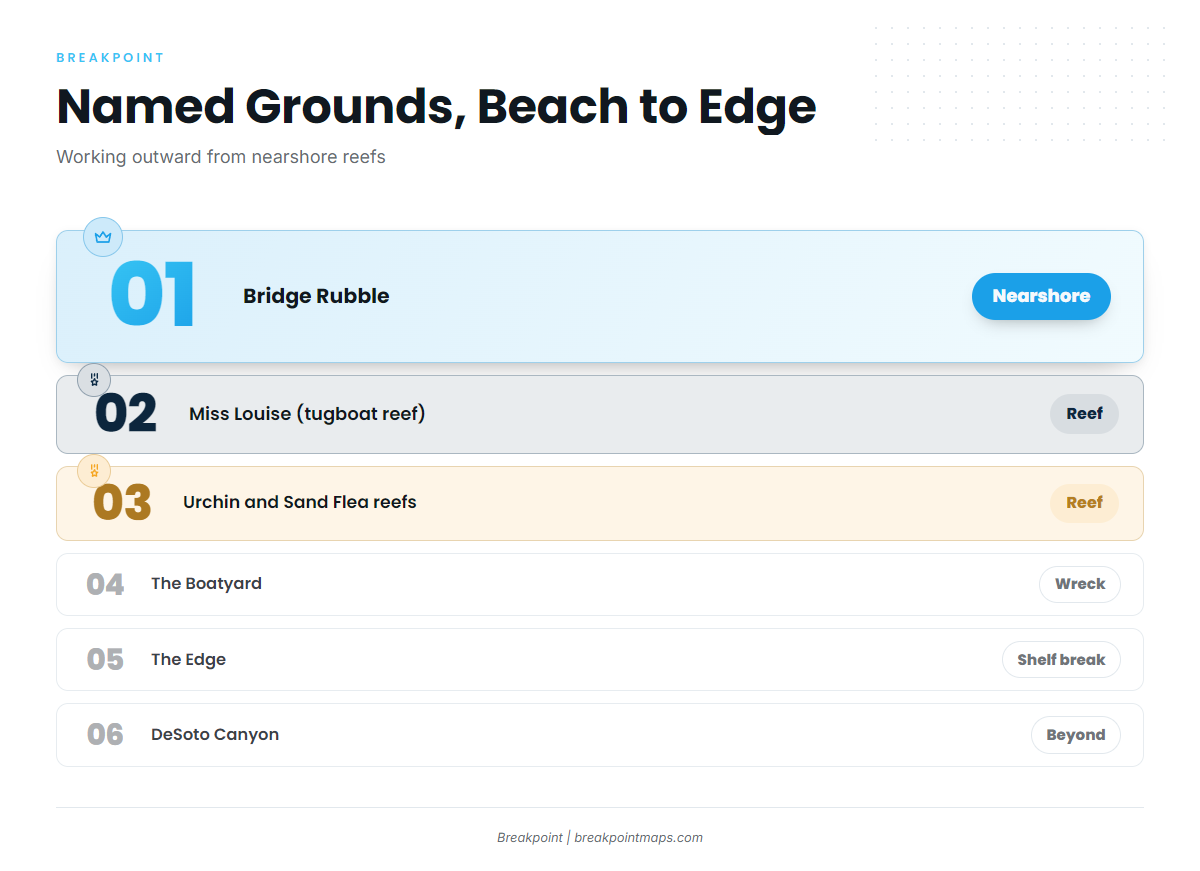
Offshore out of Destin, the grounds run from nearshore rubble and reefs out to the shelf break and beyond. Check the FWC saltwater recreational rules before you fish. Anglers 16 and older on a private vessel need the free State Reef Fish Angler designation, renewed yearly, to harvest listed reef fish.
The named grounds, roughly from nearshore outward:
- Bridge Rubble, the old Destin bridge
- Miss Louise, a tugboat reef
- The Urchin and Sand Flea reef complexes
- The Boatyard, a wreck
- The Edge, the shelf break
- The DeSoto Canyon, the deep feature beyond the Edge
Winter
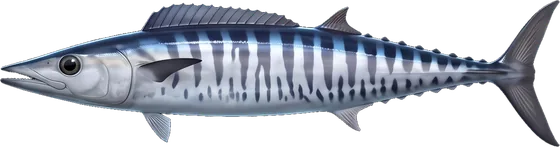
Triggerfish and bottom fishing on the reefs tend to carry winter, and most pelagics push south. On settled days, wahoo working current edges can turn up for boats willing to troll fast. Sheepshead and black drum stay around inshore structure.
Spring
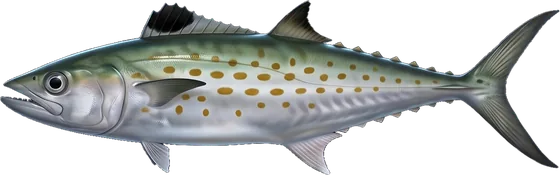
Cobia and king mackerel tend to move along the coast as the water warms, and Spanish mackerel show nearshore. Greater amberjack work the reefs and wrecks. The first mahi often show offshore before the season fills in.
Summer
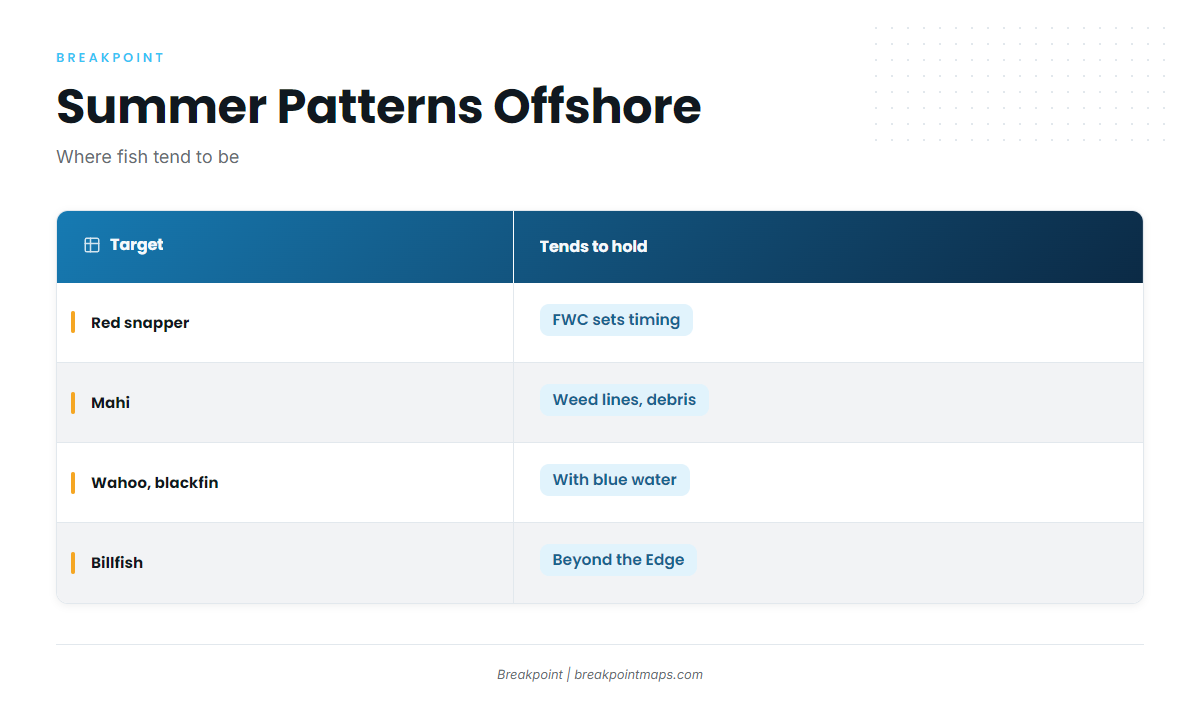
Red snapper anchor the summer reef fishing. FWC sets the timing, so check its page for the open days.
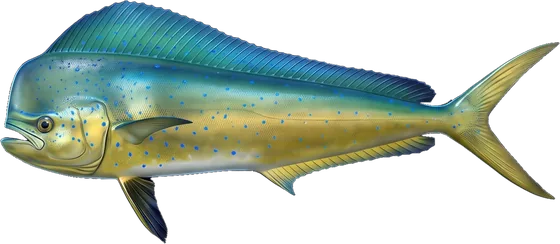
Offshore trolling centers on mahi around weed lines and floating debris. Wahoo in the Gulf and blackfin tuna tend to come with blue water, and amberjack stay on structure.
Billfish work the blue water beyond the Edge toward the DeSoto Canyon, and blue marlin are the big prize out there.
Blue-water edges move. OBS SST and Chlorophyll show where the edge sat on the last clear pass. Cloud blocks satellite passes, and we do not make chart layers for navigation.
Autumn
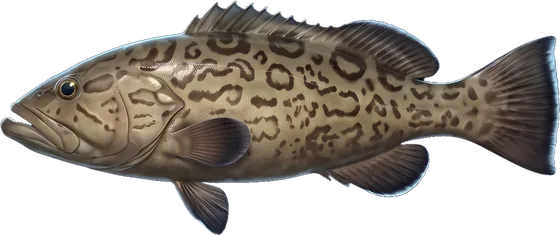
Gag grouper fishing picks up on the reefs, and FWC sets the timing. Amberjack remain on the reefs and wrecks, and king mackerel tend to come back through. Triggerfish and sharks round out the season.