Gulf side
Pensacola to the Keys- State waters
- Shore to 9 nautical miles
- Beyond the line
- Gulf of Mexico Fishery Management Council (Gulf Council)
- The fishing
- Grouper, snapper and amberjack on reefs, hard bottom and ledges; kingfish in spring and fall




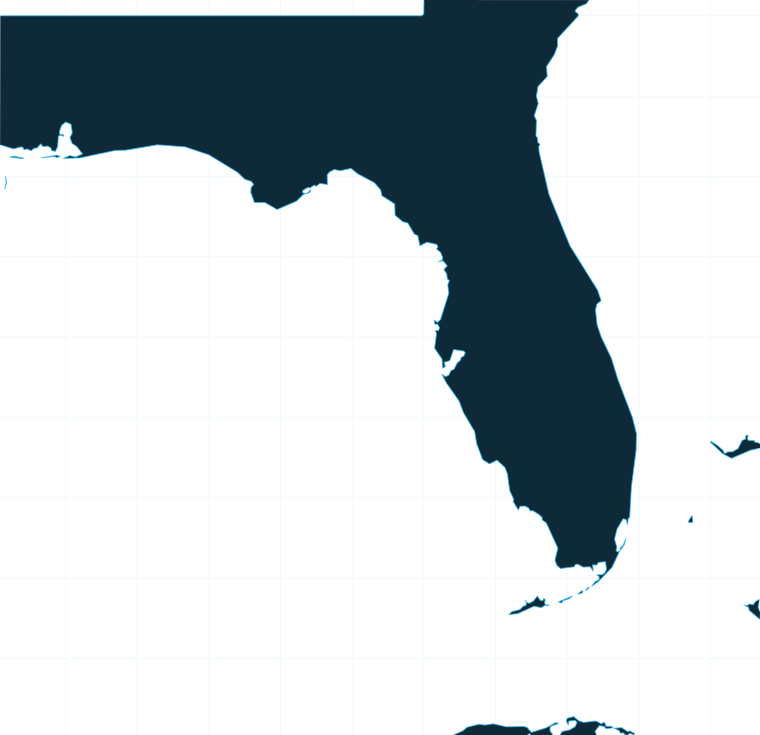
Florida’s offshore fishing coast runs from Pensacola along the Panhandle, down the Gulf side, around the Florida Keys and up the Atlantic to Fernandina Beach. State waters end at 9 nautical miles on the Gulf side and 3 nautical miles on the Atlantic side, and federal rules apply beyond that line. Florida is one stretch of the wider US coast.
 By Breakpoint Team
The coast
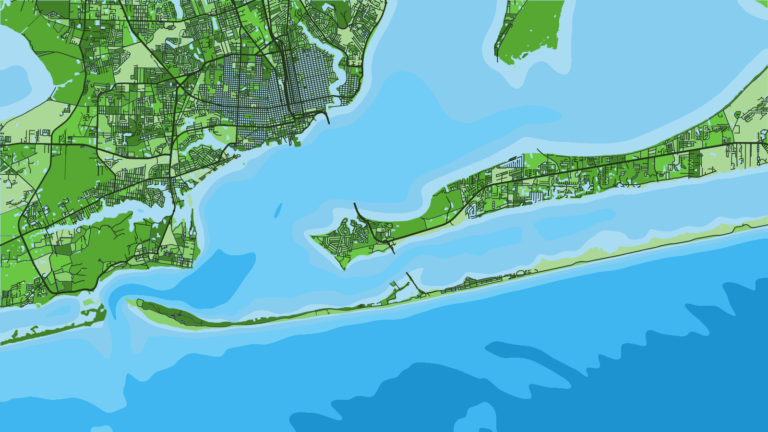
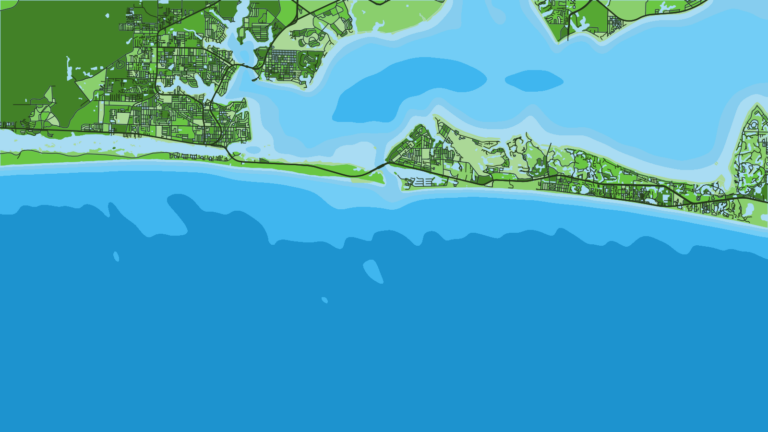
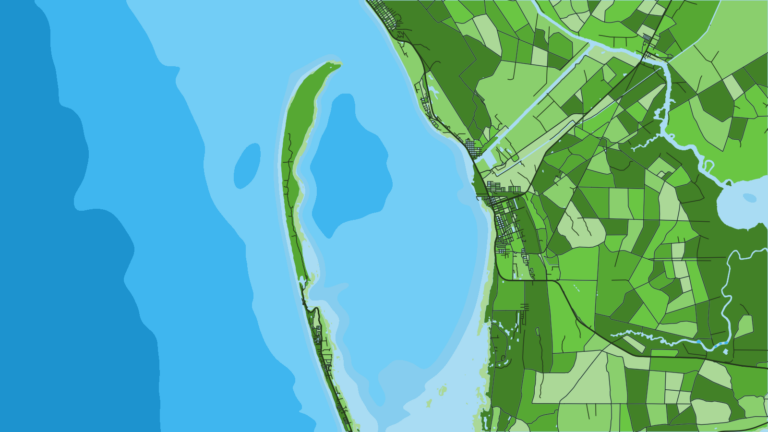
The Panhandle has a long run to the shelf edge. Fishing centers on natural and artificial reefs that hold red snapper, grouper and amberjack.
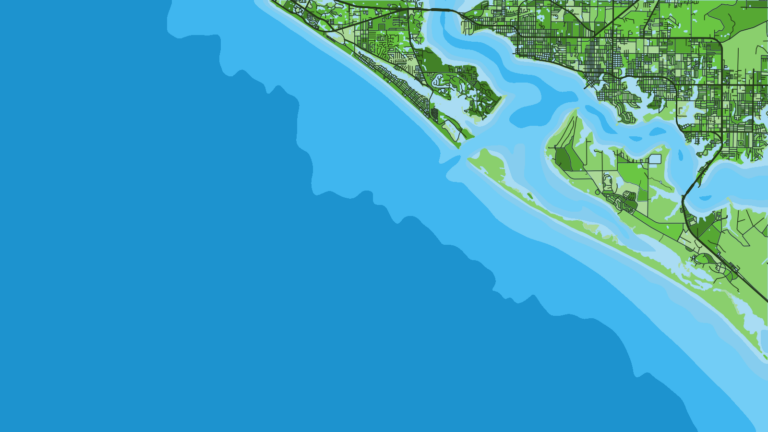
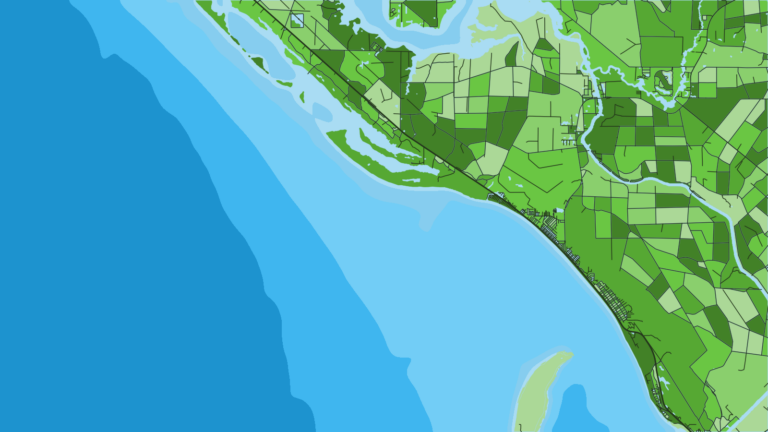
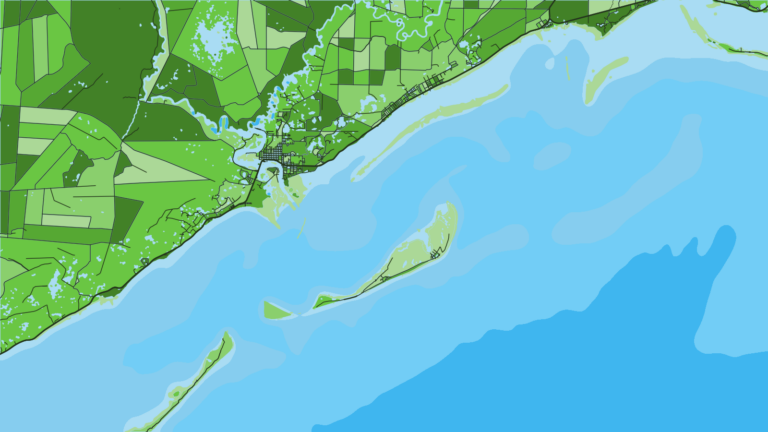
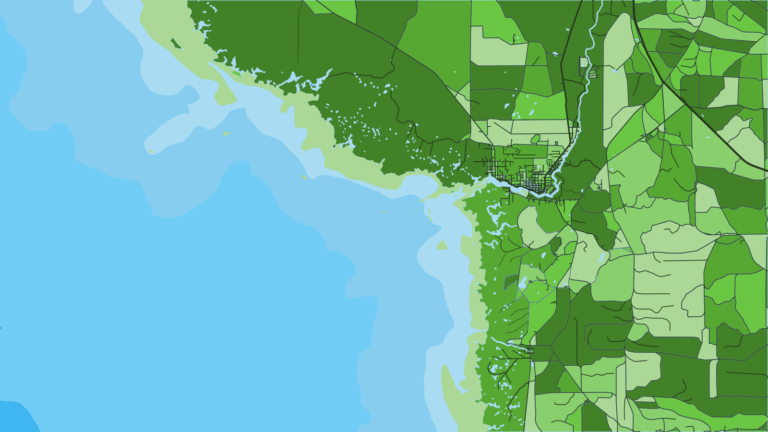
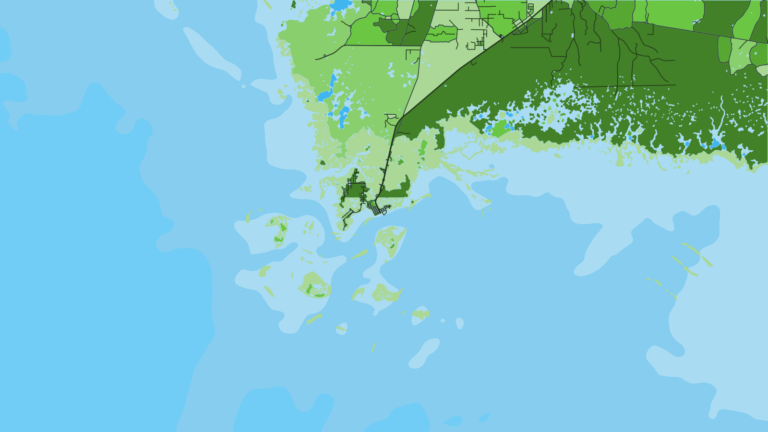
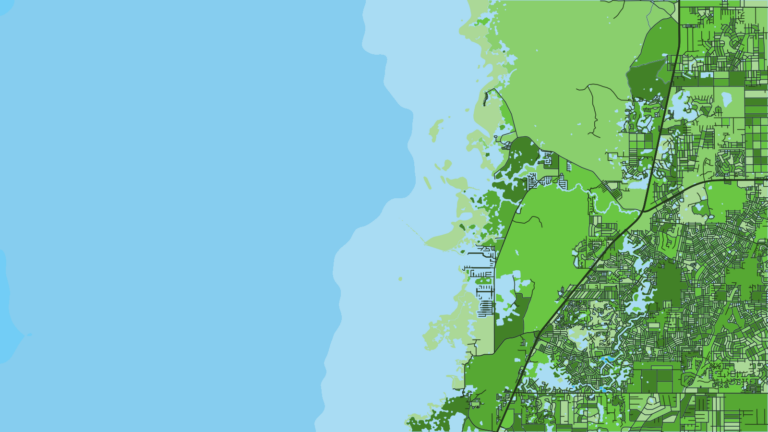
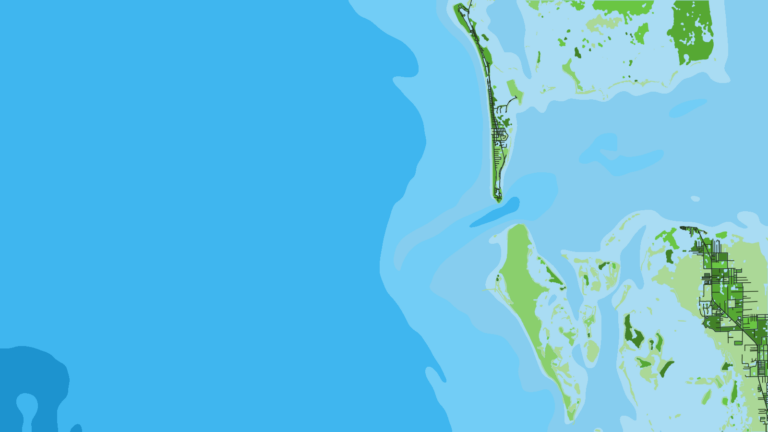
The Big Bend and Nature Coast sit on a shallow, gently sloping shelf, so runs to deeper water are long. This is grouper and bottom-fishing country.
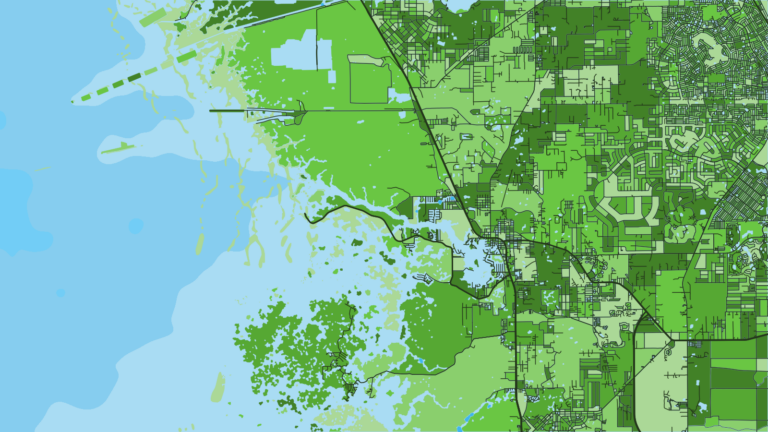
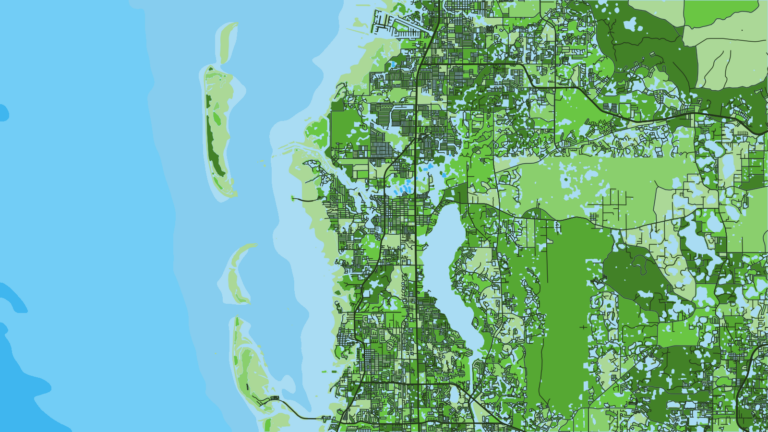
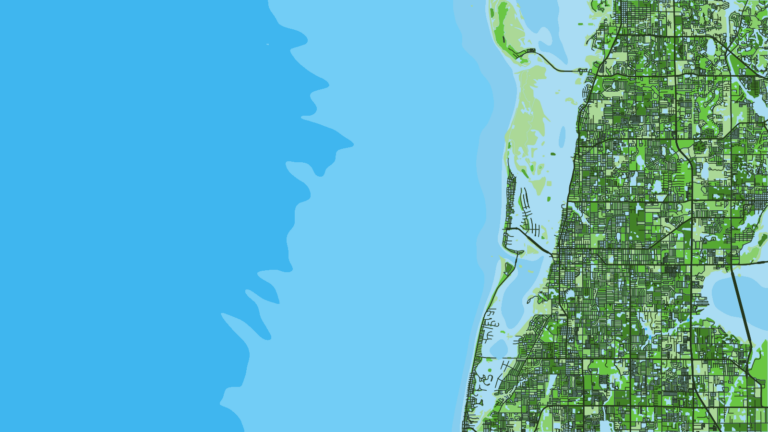
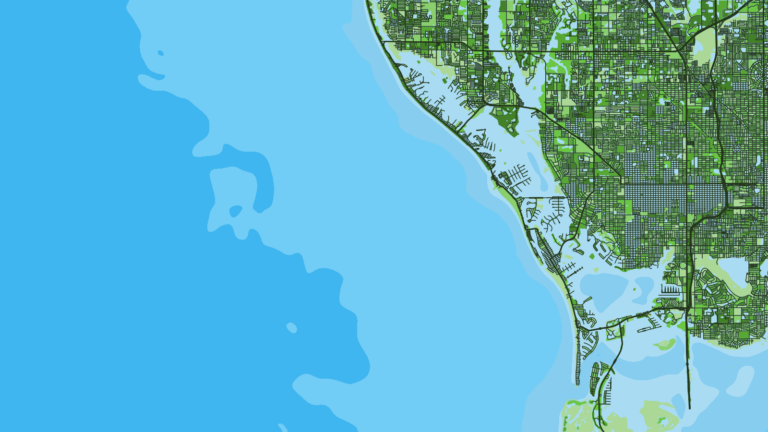
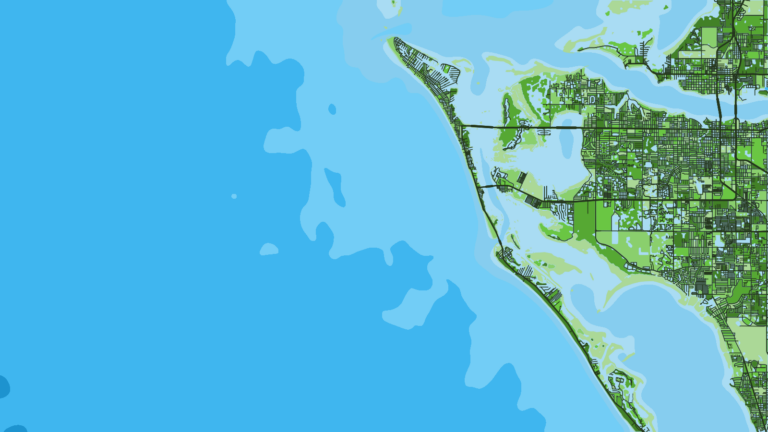
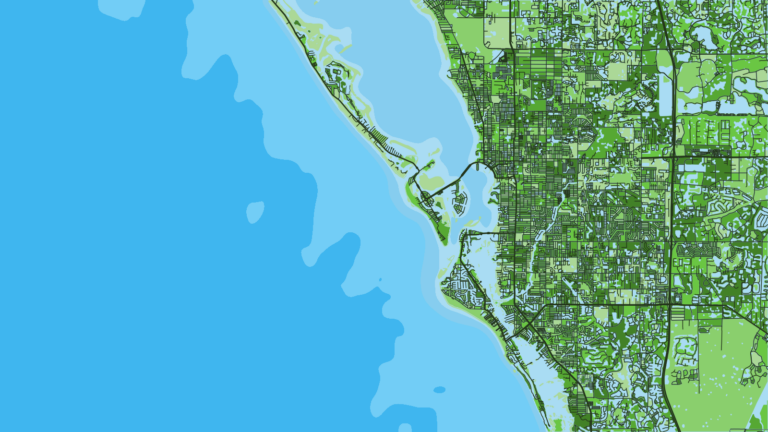
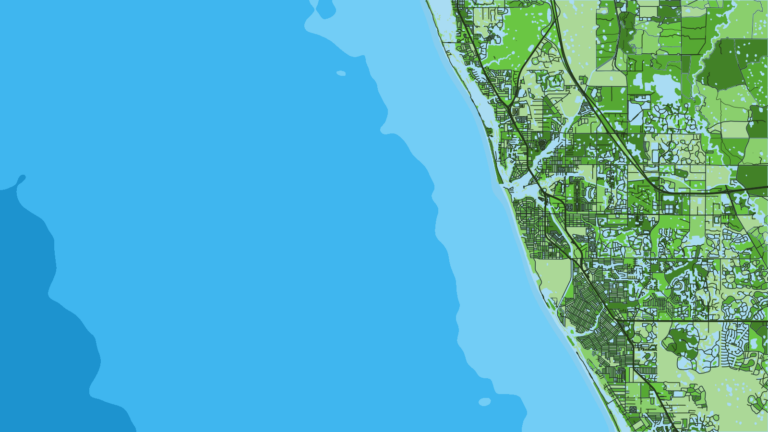
Around Tampa Bay and the Southwest Gulf the shelf is wide. Grouper and snapper come from hard bottom and ledges, and kingfish run in spring and fall. The Gulf of America (Gulf of Mexico) behind these ports is covered in more depth in our guide to fishing the Gulf side.
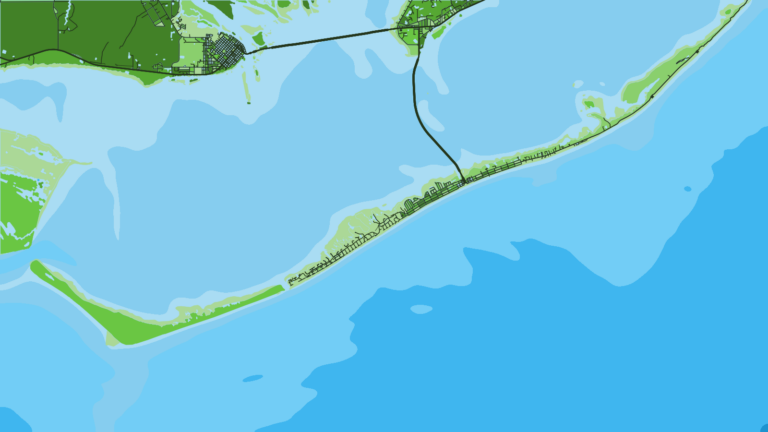
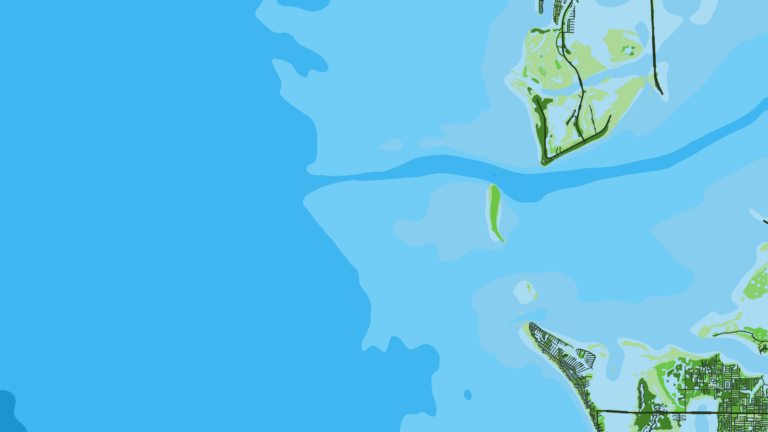
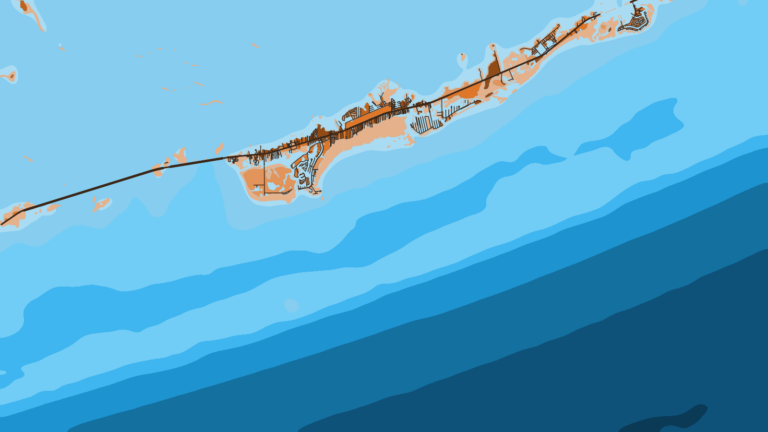
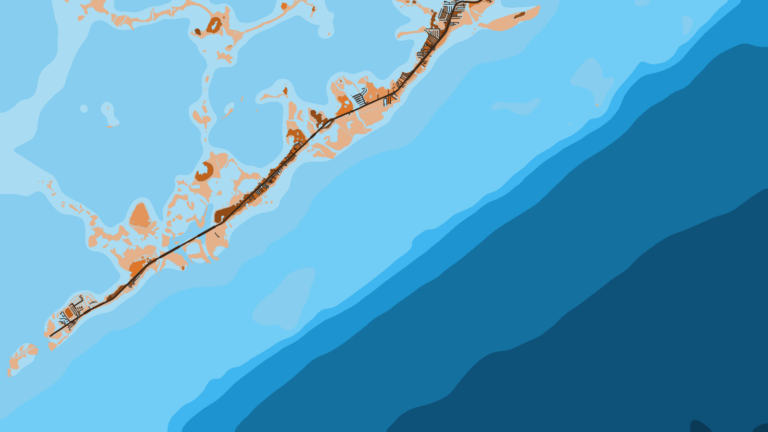
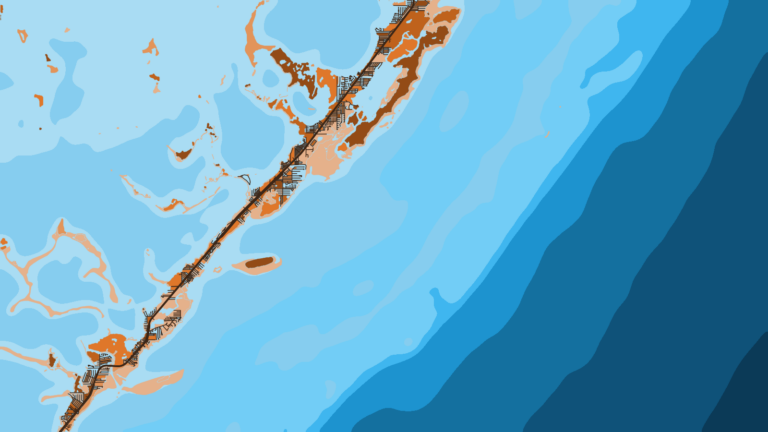
In the Florida Keys, the reef line runs close to the islands, with deep water and the Gulf Stream behind it. Florida Keys National Marine Sanctuary zones govern where you can fish; the details are in the Regulations section below.
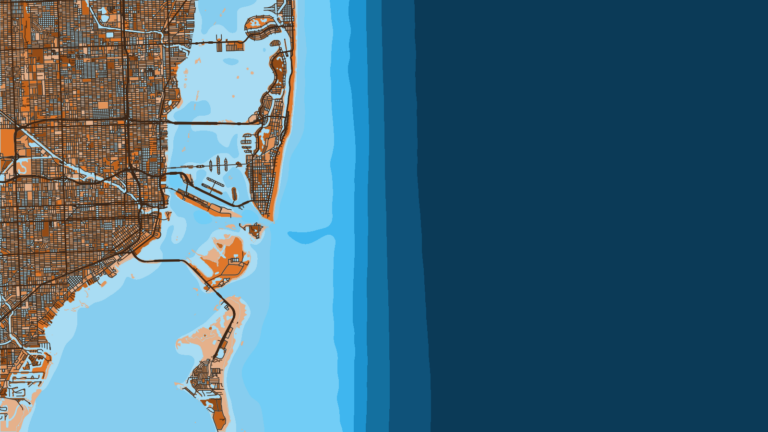
On the Southeast Coast, the Gulf Stream runs closest to the beach. Sailfish, mahi-mahi (dolphin) and other pelagics are within a short run. Our guide to fishing the Atlantic side covers the pattern in more depth.
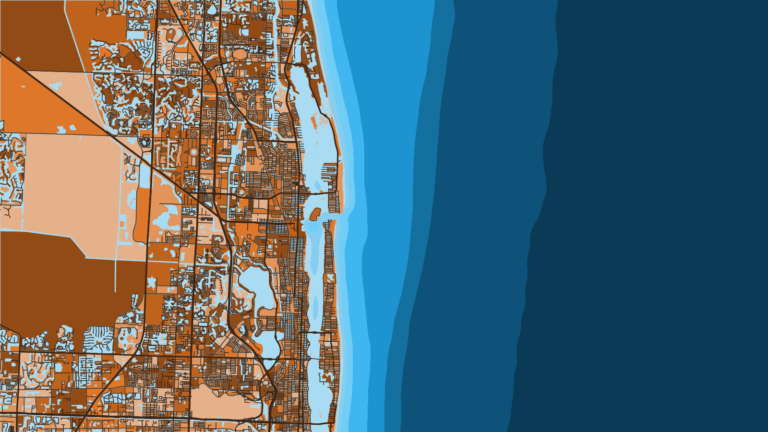
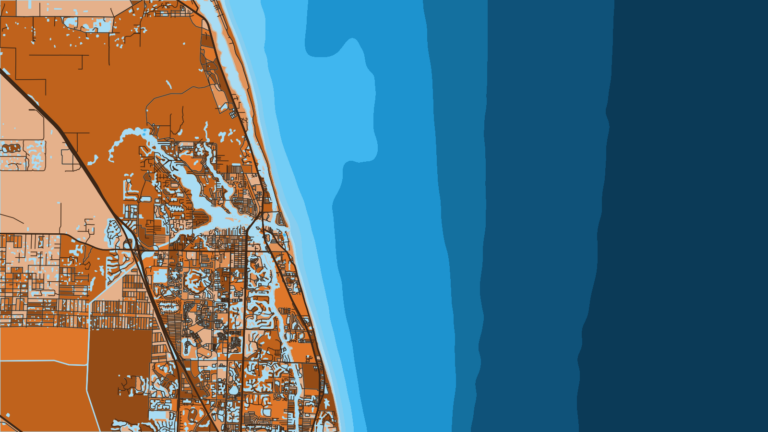
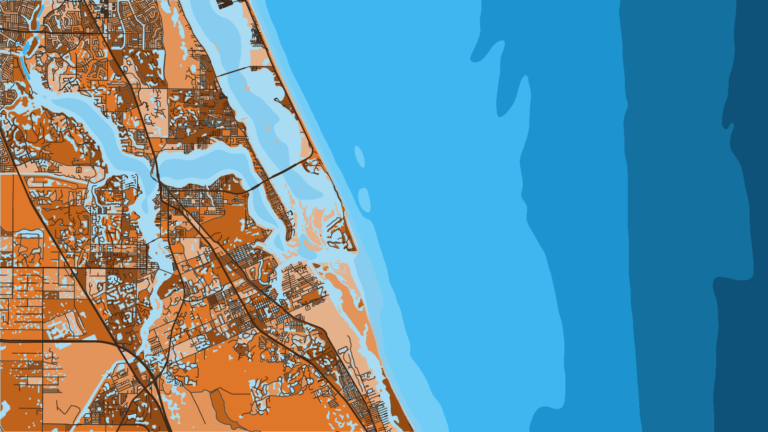
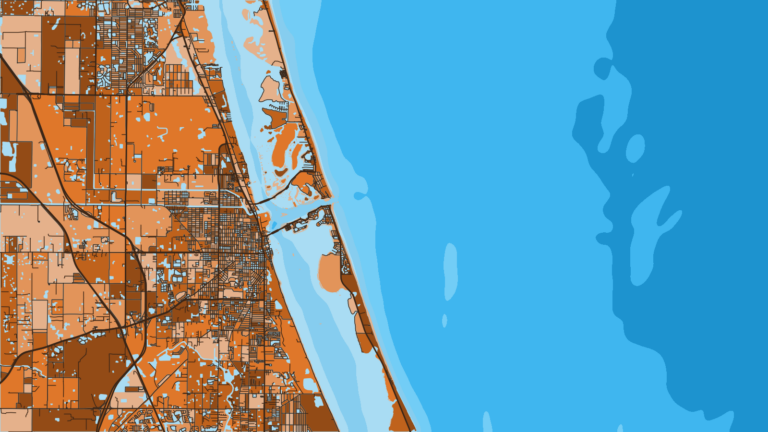
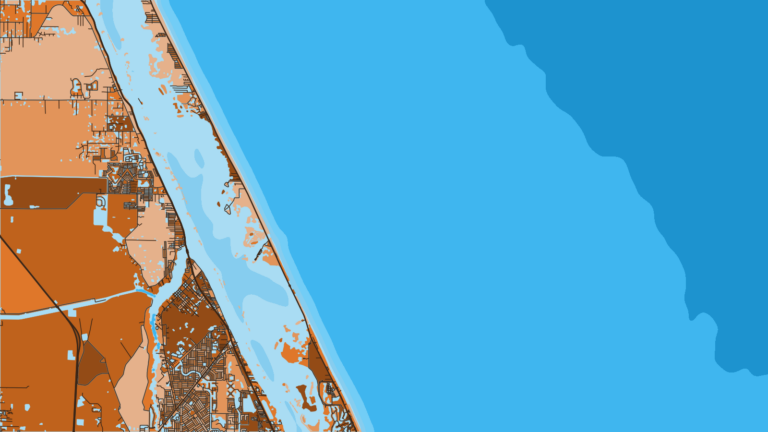
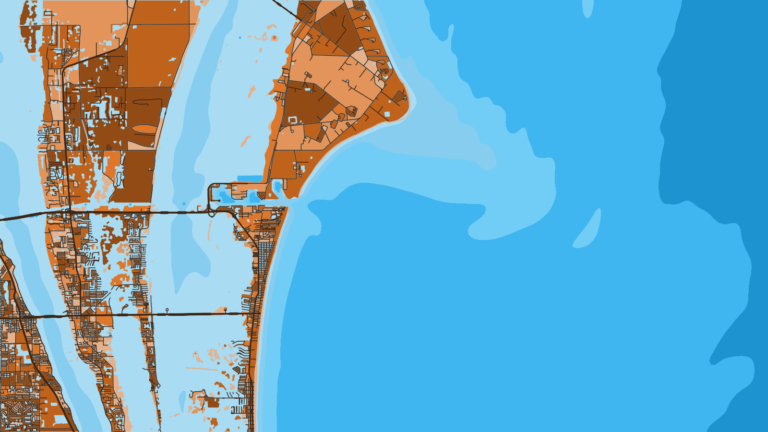
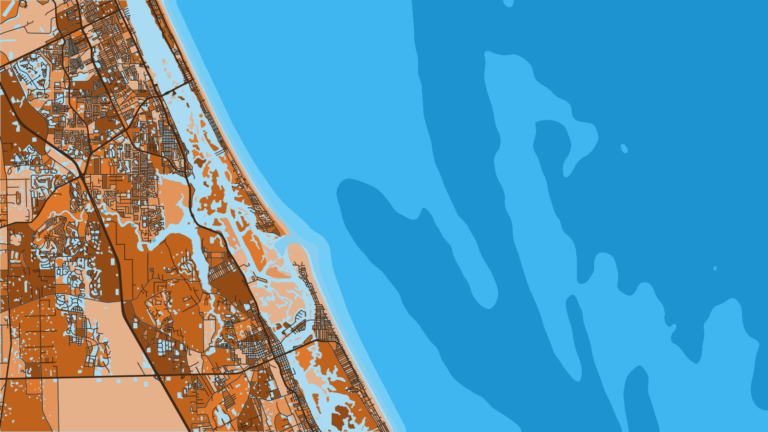
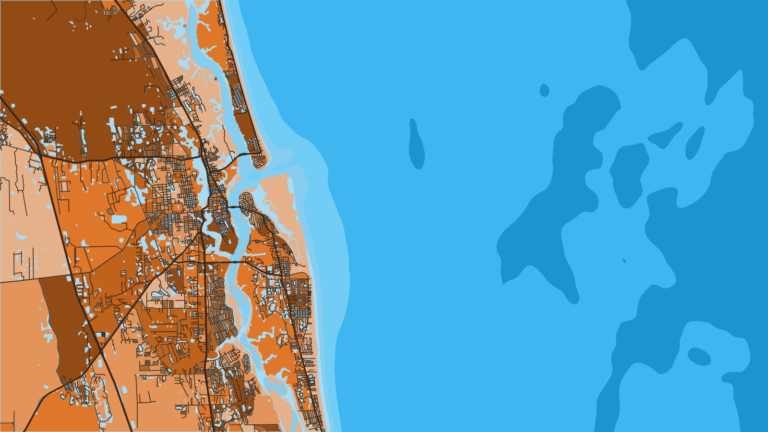
Farther north along the Treasure, Space and First Coasts, the shelf widens. Kingfish run the nearshore water, wahoo work the ledges and edges, and mahi follow the northbound pattern.
Overall, the Gulf side is a bottom-fishing coast with a long run, and the Atlantic side puts blue water close to the inlet. Two federal managers set the rules beyond state waters: the Gulf of Mexico Fishery Management Council (Gulf Council) and the South Atlantic Fishery Management Council (SAFMC).
Ports
Ports are grouped below by stretch of coast, from the western Panhandle around the peninsula to the Northeast. Tap a number on the map, or a stretch below, to zoom in on its ports.
7 ports
The Panhandle has a long run to the shelf, and fishing here is built on natural and artificial reef structure.
4 ports
The water here is shallow and the shelf slopes gently, so offshore means a long run.
5 ports
Tampa Bay ports sit on a wide shelf with grouper bottom offshore and kingfish runs nearshore.
6 ports
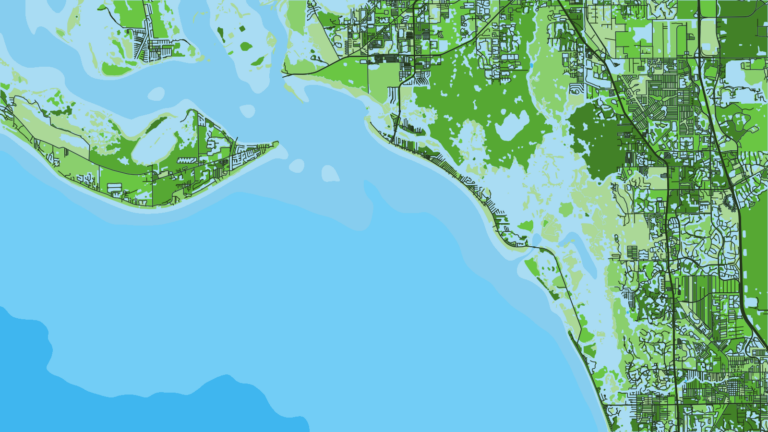
The Southwest Gulf has a wide shelf that holds grouper, snapper, kingfish and cobia.
5 ports
In the Keys, the reef line runs close to the islands, with deep water and the Gulf Stream behind it. Ports are listed west to east.
7 ports
On the Southeast Coast, the Gulf Stream runs close to the inlets, which puts sailfish and mahi within a short run.
3 ports
On the Treasure Coast, the shelf begins to widen, and sailfish, kingfish and wahoo work the reefs and edges.
2 ports
The Space Coast sits on a wider shelf where kingfish, cobia and mahi pass through.
3 ports
The First Coast has a wide shelf with ledges for wahoo, kingfish nearshore and mahi offshore.
Seasons
What tends to be around each season. Open seasons are covered under Regulations.
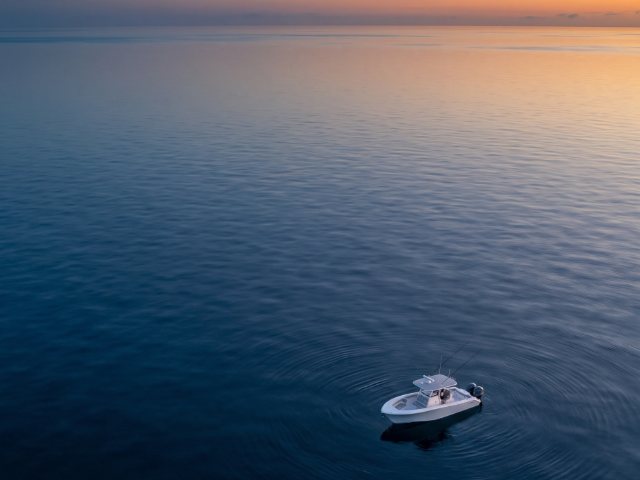
Offshore
Sailfish on the Atlantic side. Wahoo and blackfin tuna.
Nearshore
Kingfish and cobia on the southern reefs.
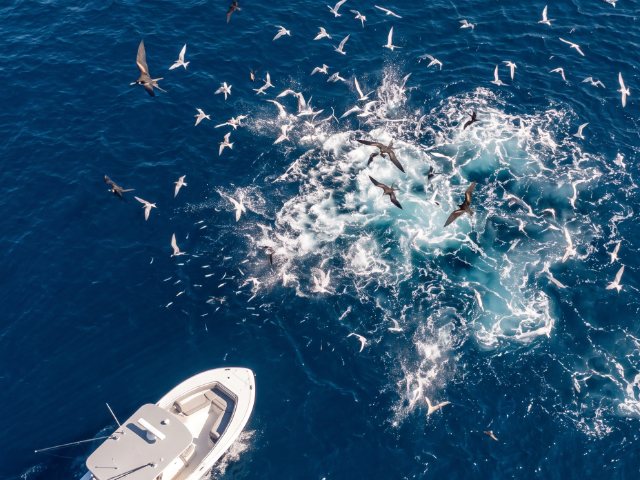
Offshore
The mahi build. Blackfin tuna.
Nearshore
Kingfish and cobia migrations.
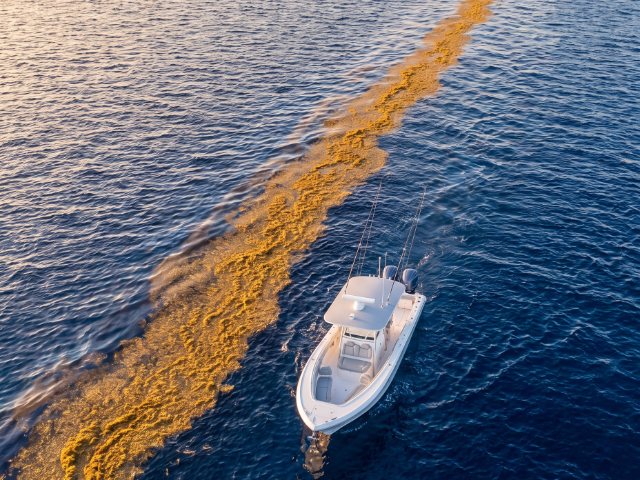
Offshore
Mahi and reef fish on the Gulf side. Tropical weather is part of the season, so check the forecast.
Nearshore
Reef fish and Spanish mackerel.
Offshore
Wahoo. Gag openings, see Regulations.
Nearshore
The kingfish return.
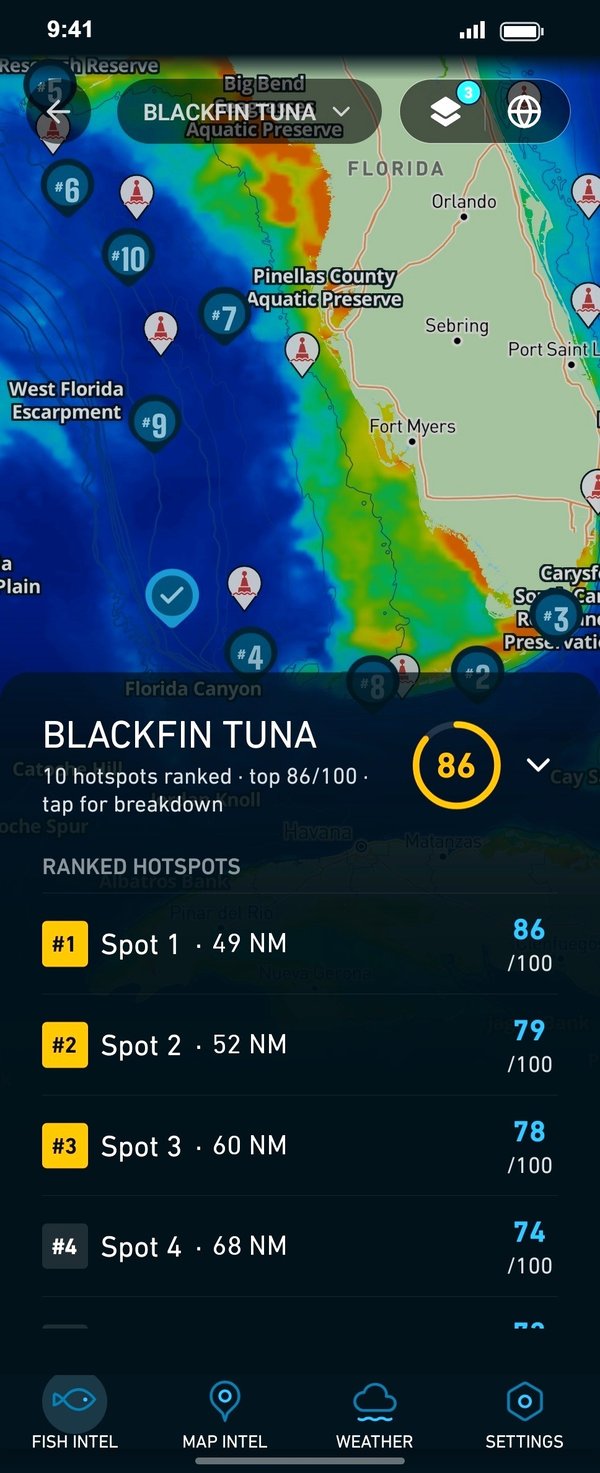
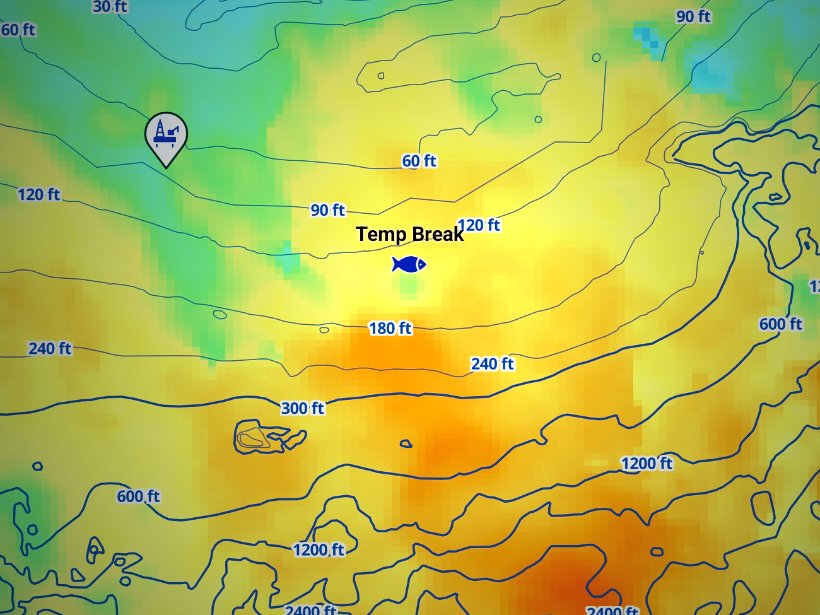
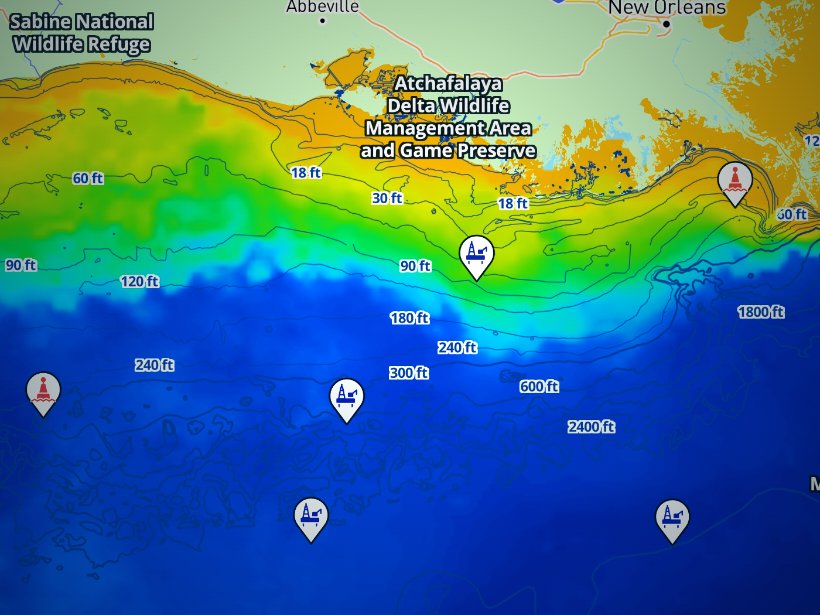
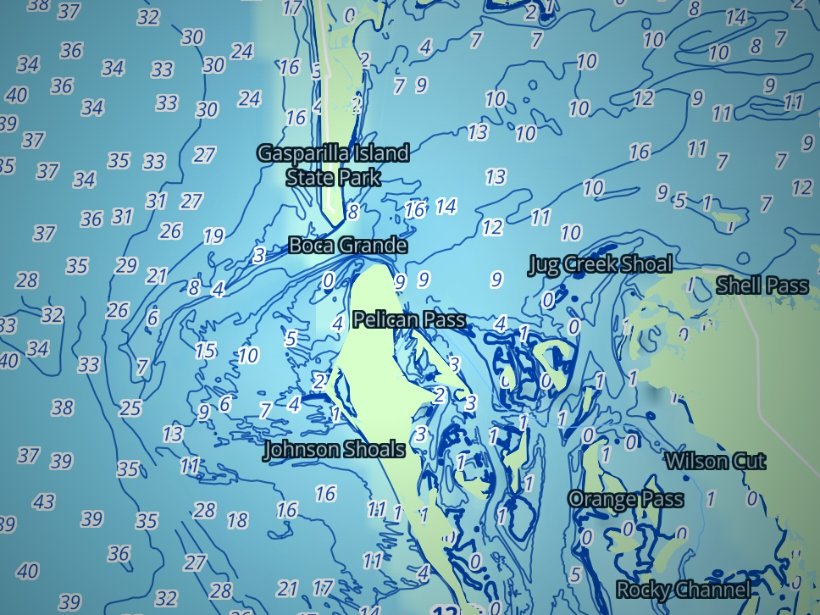
Seasons tell you which fish are around, but where they hold changes daily as temperature breaks and color edges shift with wind and current. In Breakpoint, the OBS SST, Chlorophyll and Chart Contours layers show those edges and the bottom structure near them. Clouds block satellite SST passes, so some days show gaps. Chart layers are not for navigation.
Charters and tournaments
Regulations
Rules for Florida offshore fishing split by jurisdiction and by species. Our Florida regulations page carries the species rules, and the FWC saltwater recreational rules are the official source. Check them before every trip, because seasons change by quota.
FAQ
Official answers come from the state wildlife agency and NOAA Fisheries. Check them before you go.
No. Customers on a licensed charter or headboat fish under the vessel’s license and do not need the State Reef Fish Angler designation. On a private boat, each angler needs their own license unless exempt. Ask your charter captain what the trip covers.
It is a free annual designation for private-vessel anglers 16 and older who keep listed reef fish such as red snapper and gag grouper. It applies in state and federal waters on both coasts. You can get it from FWC license outlets, including GoOutdoorsFlorida.com.
State waters end at 9 nautical miles on the Gulf side and 3 nautical miles on the Atlantic side. Beyond that line, rules from the Gulf Council or SAFMC and NOAA Fisheries apply. Monroe County has species exceptions for grouper and king mackerel.
Gulf dates for private anglers are set each year by FWC. Atlantic dates are set by NOAA Fisheries and SAFMC. Openings can be short, so check the agency before you go.
It depends on the target. Winter brings Atlantic sailfish, wahoo and blackfin tuna. Spring brings kingfish, cobia and the mahi build. Summer favors mahi and Gulf reef fish. Fall brings wahoo and the kingfish return. Tropical weather is part of summer and fall planning, so use the official forecast.
Fishing is prohibited in Sanctuary Preservation Areas of the Florida Keys National Marine Sanctuary, except catch-and-release trolling at Sand Key. Ecological reserves and conservation areas are transit-only with gear stowed. The East Hump MPA bans snapper-grouper fishing.
Yes, for billfish, swordfish, sharks and tunas in federal waters. In state waters you still need it for yellowfin and the other HMS tunas. Blackfin tuna needs no permit. Report landed billfish to NOAA within 24 hours.
Examples by port include the Silver Sailfish Derby (Palm Beach), the Pensacola International Billfish Tournament, the Destin Fishing Rodeo, the Key West Sailfish Tournament, the Cheeca Lodge Presidential Sailfish Tournament (Islamorada), King of the Inlet (Ponce Inlet), the FSFA Offshore Slam (Port Canaveral), the Don Combs Wahoo Roundup (St. Augustine) and the Fernandina Beach Kingfish Tournament. For dates, use the Florida Sportsman tournament calendar.
Ranked hotspots, live ocean layers and offline maps.
Open Breakpoint