


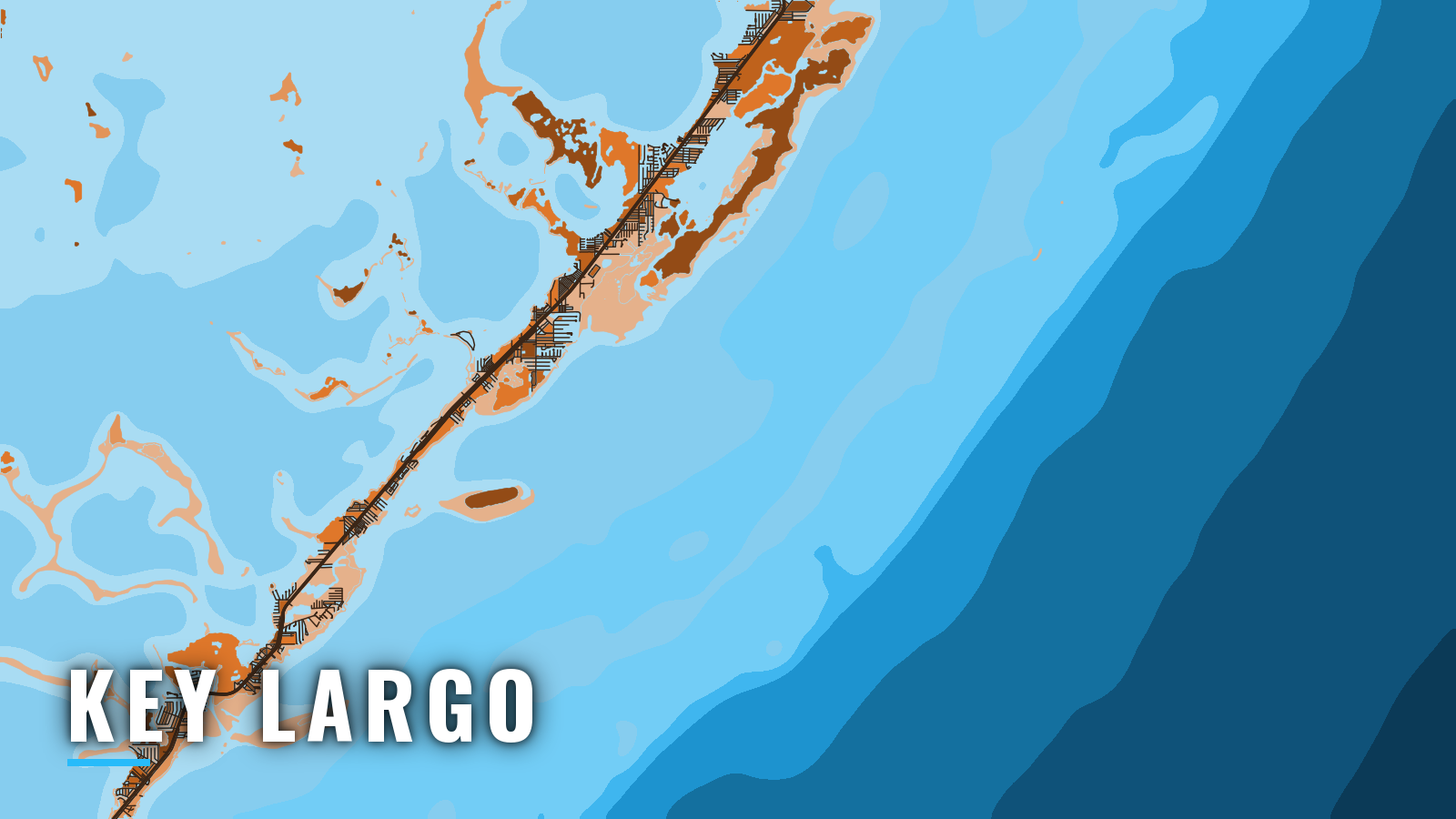

About Key Largo
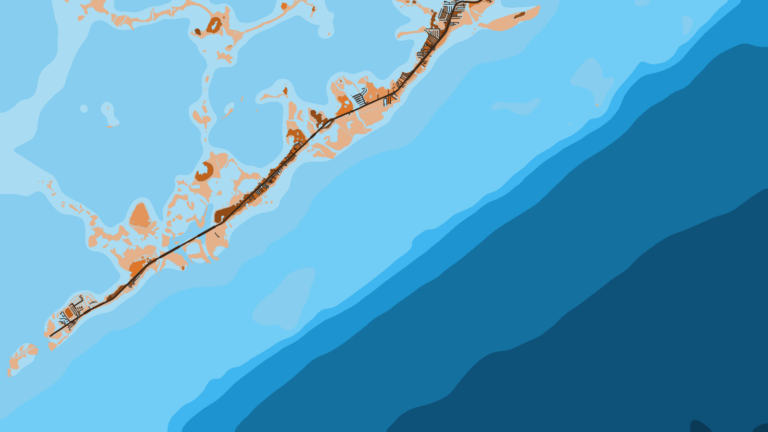
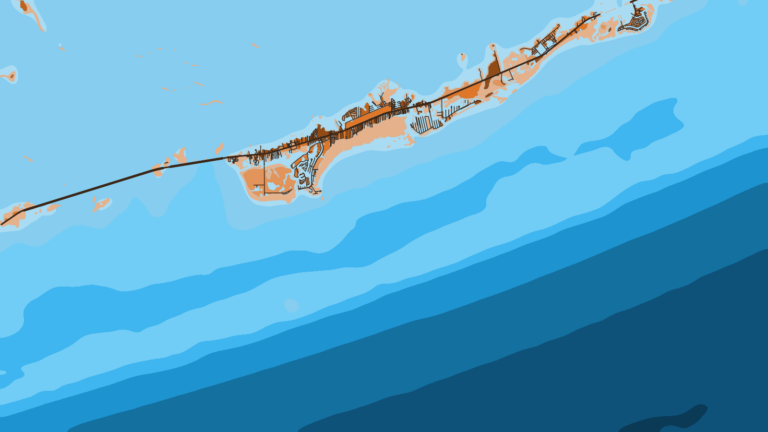
Key Largo is an Upper Keys port on Hawk Channel, a short run from the reef line and the Gulf Stream. Hawk Channel runs inside the Florida Reefs, with the Straits of Florida and the Gulf Stream beyond. Blackwater Sound and Florida Bay lie on the bay side, Tavernier covers the south end of the island, and John Pennekamp Coral Reef State Park and the reef line are offshore.
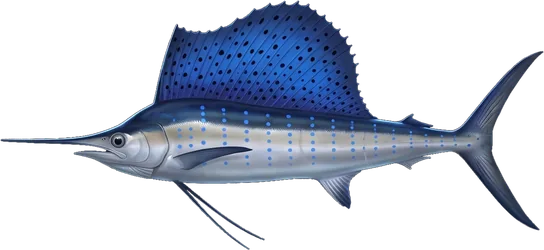
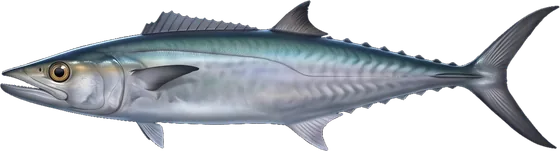
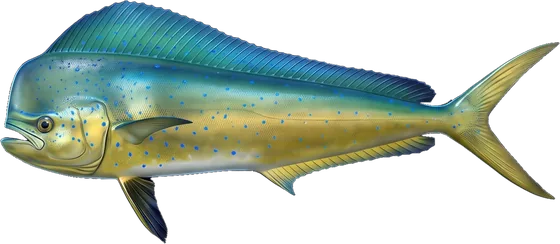
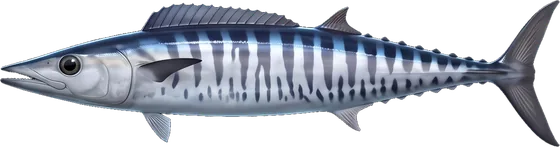
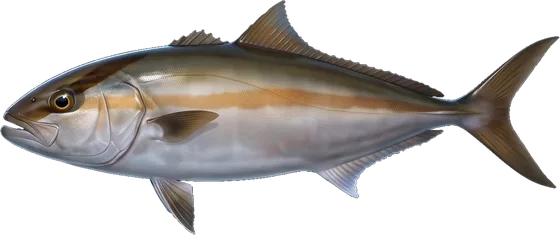
Because Key Largo is an Atlantic-side port, it fishes on the same pattern as the rest of the Atlantic Southeast fishing guide region. The offshore grounds fish year-round. Sailfish, mahi-mahi, blackfin tuna and kingfish lead the list, with wahoo and yellowtail snapper filling in. Below are the launch options, how the exits behave and what each season offers.
Rules for Florida waters are on our Florida ports and state regulations page.
Access and navigation
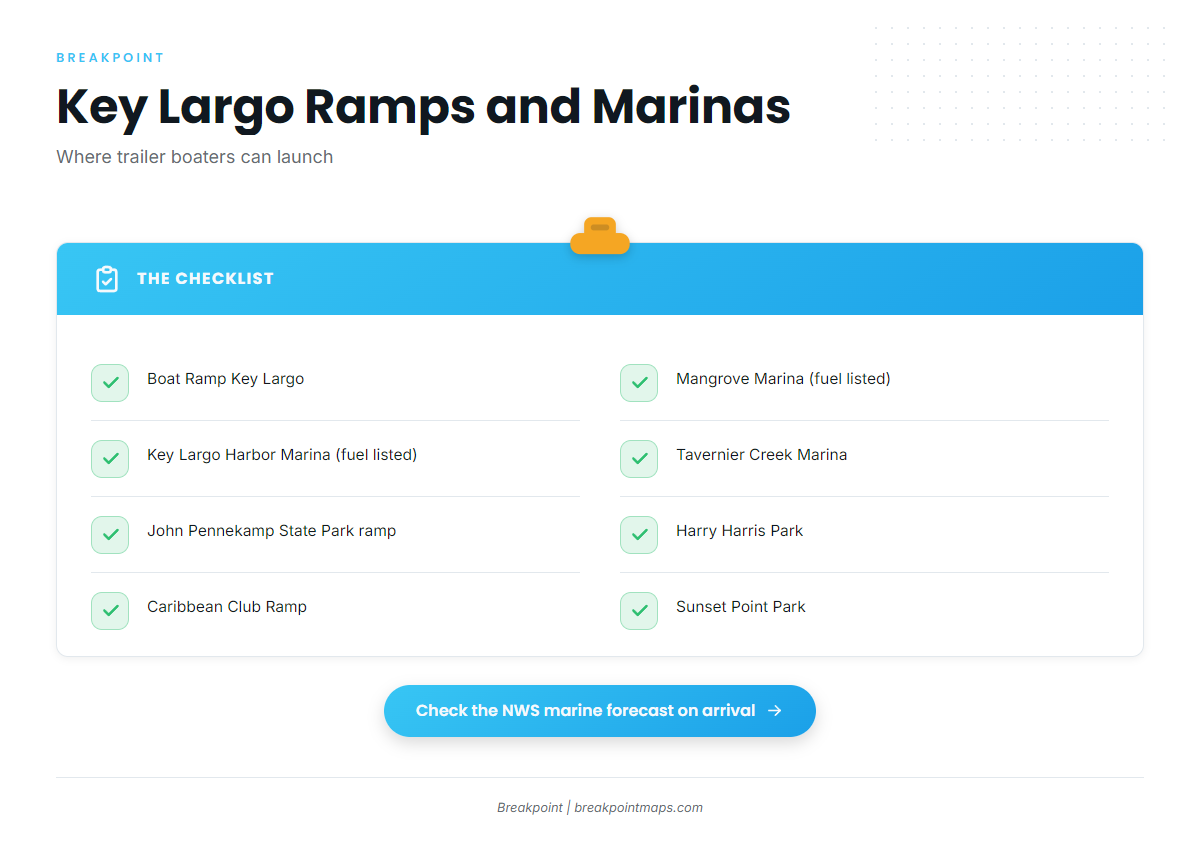
Key Largo ramps and marinas run from the Atlantic side to the bay side at Tavernier.
- Boat Ramp Key Largo – ramp at Key Largo Boatyard & Storage.
- Mangrove Marina – bay-side ramp and marina in Tavernier, fuel listed.
- Key Largo Harbor Marina – marina, fuel listed.
- Tavernier Creek Marina – marina on Tavernier Creek.
- John Pennekamp State Park ramp – state park ramp, listed by FWC.
- Harry Harris Park – public ramp listed by FWC.
- Caribbean Club Ramp – public ramp listed by FWC.
- Sunset Point Park – public ramp listed by FWC.
Largo Sound is entered through South Sound Creek, a dredged channel from Hawk Channel. The channel is about 0.3 mile long, with coral rock sides and sharp bends, and depths inside the sound run 1 to 6 feet. It is narrow and tight, and it can fill in with southerly winds. The channel is described in Coast Pilot 4, Chapter 11. Coast Pilot depths are reported figures and channels shoal, so rely on the chart and the sounder.
The Tavernier Harbor channel is the alternative oceanside exit at the south end. The Ocean Reef Harbor channel at the north end is a private club harbor.
When the Atlantic side looks bigger than you want, Blackwater Sound and Florida Bay offer sheltered water. The fixed bridge over Tavernier Creek has a charted clearance of 15 feet, which matters for T-tops and towers. A second fixed bridge of the same design clearance has been reported beside it. Overhead power cables run parallel to U.S. 1 from Tavernier.
Reef lights and daybeacons help in clear weather. In thick weather, soundings are the better guide.
Check the water and the NWS Key West marine forecast when you arrive, and switch approaches if conditions look bigger than you want.
Fishing conditions
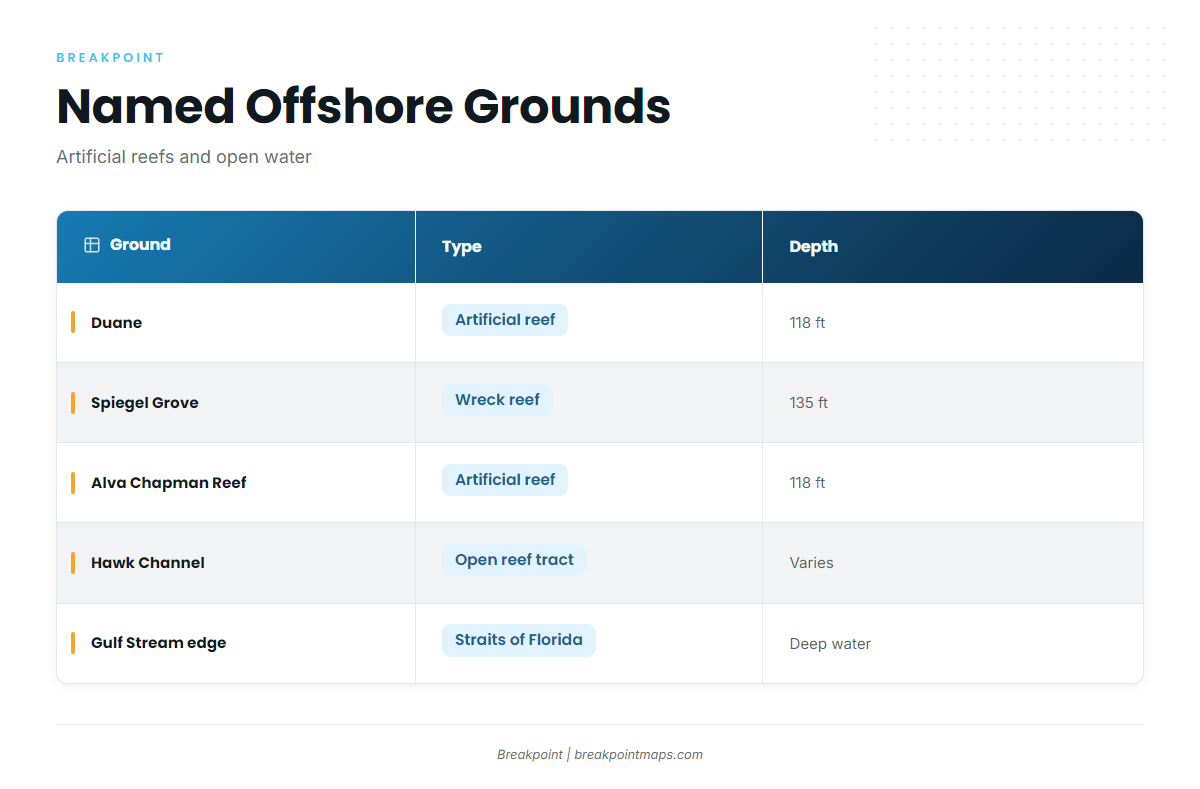
The fishable named grounds are the Duane wreck, an artificial reef in 118 feet; the Spiegel Grove, an artificial reef wreck in 135 feet; and Alva Chapman Reef, an artificial reef in 118 feet. FWC lists the artificial reefs. Beyond those are the open reef tract and Hawk Channel outside preservation-area boundaries, and the Gulf Stream edge in the Straits of Florida for offshore work.
Carysfort Reef, The Elbow, Molasses Reef, Key Largo Dry Rocks and Grecian Rocks lie inside Sanctuary Preservation Areas, where fishing by any means is prohibited. Molasses also has a marked no-anchorage area.
Wind against the Gulf Stream is the main hazard on the way out. Trades usually blow easterly or northeasterly at 10 to 20 knots. Winds of 22 knots or more blow about 7 to 12 percent of the time from October through March, and waves of 10 feet or more are reported 1 to 3 percent of the time from fall through spring. Check the official forecast for wind, wave height and period before you commit to the Stream.
Swordfish live in the deep water of the Straits beyond the reef; see our swordfish guide. The edge moves, so read it on OBS SST and Chlorophyll in Breakpoint before the run. Chart layers are not for navigation.
Check FWC saltwater rules and FKNMS zones before fishing. The rules for Florida waters are on our Florida ports and state regulations page.
Winter
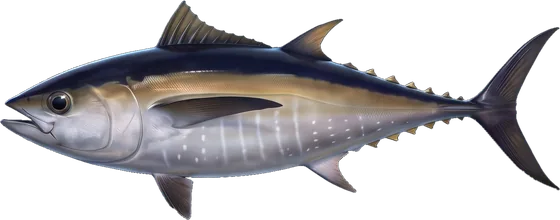
Winter tends to bring sailfish, blackfin tuna and kingfish to the reef edge and the Stream off Key Largo. Bluefin tuna can show up as well.
Spring
Spring tends to hold sailfish, mahi-mahi, blackfin tuna and kingfish. Mahi-mahi can build toward summer, and the blackfin tuna on the Atlantic Southeast pattern carries over from winter.
Summer
Summer tends to be built around mahi-mahi, with wahoo and tuna alongside. Yellowtail snapper work the reef tract outside the Sanctuary Preservation Areas.
Autumn
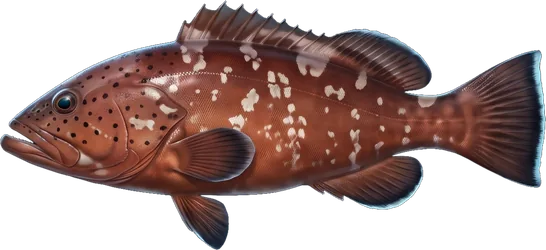
Autumn tends to bring mahi-mahi, grouper on the wrecks and reef, and blackfin tuna. Sailfish return on the Atlantic Southeast pattern. Check FWC rules for grouper before you fish. Hurricane season overlaps autumn, so check the NWS Key West forecast as you plan the trip out of Key Largo.