


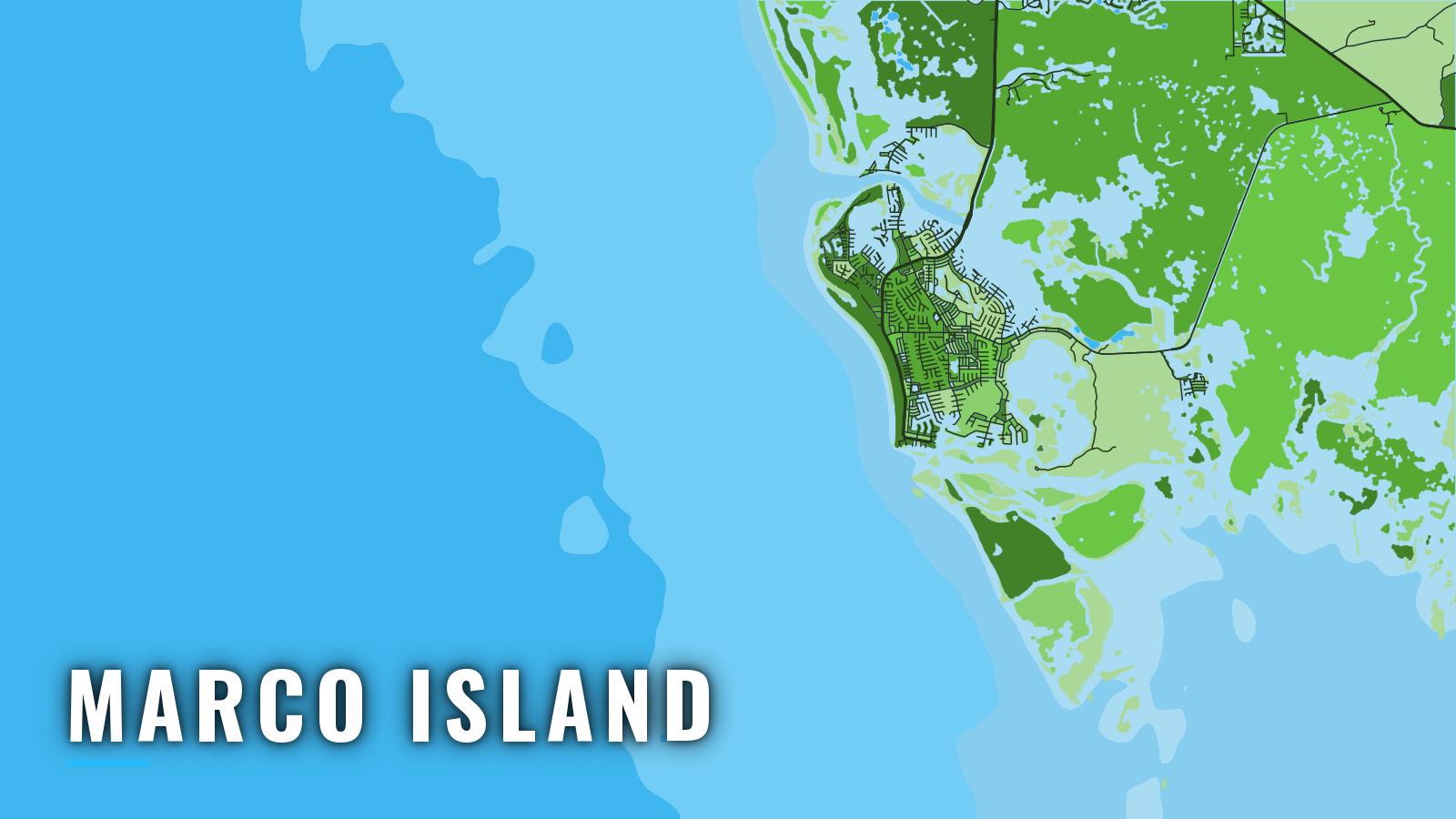

About Marco Island
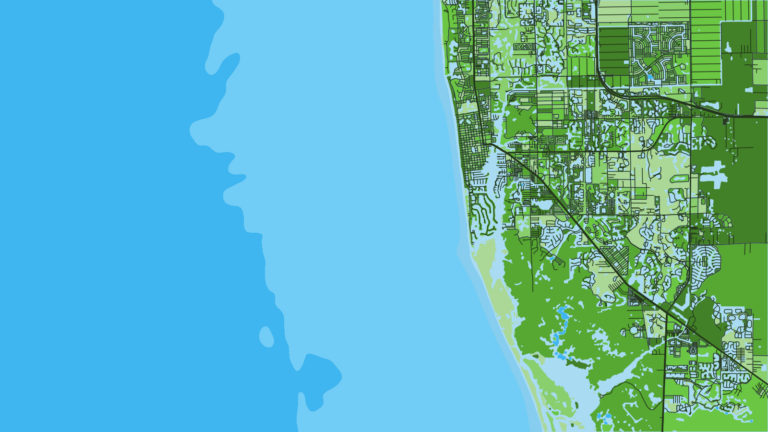
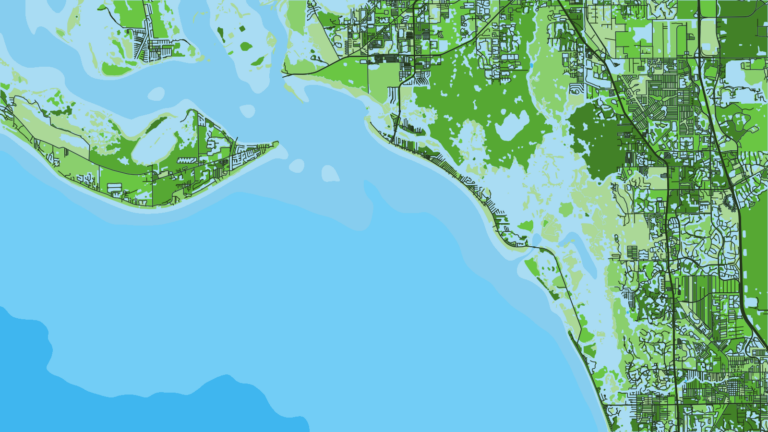
Marco Island sits at the lower end of Southwest Florida’s Gulf coast, 11 miles by inland waterway south of Naples, with Fort Myers Beach farther north. The Ten Thousand Islands lie to the east. Boats reach the Gulf of America (Gulf of Mexico) through two working passes: Capri Pass at the north end and Caxambas Pass at the south end.
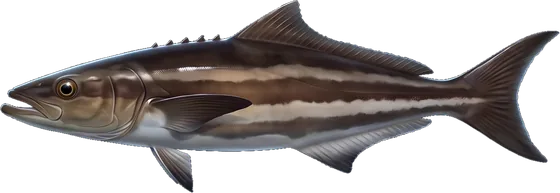
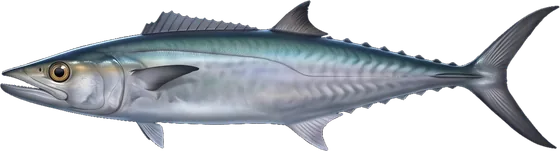
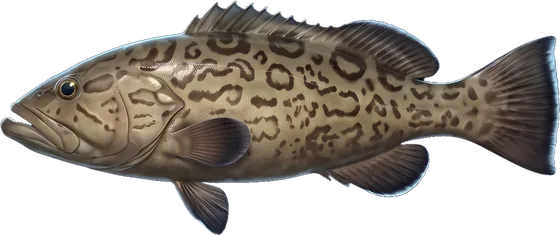
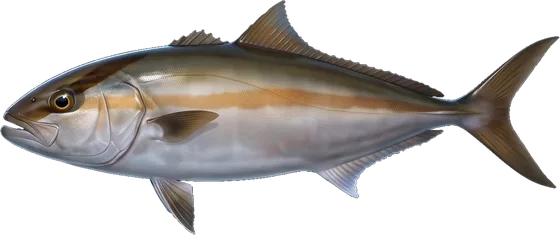
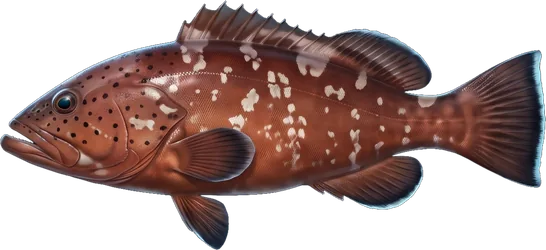
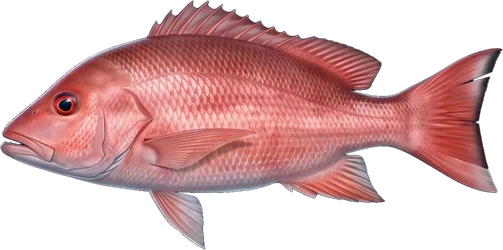
The port fishes year-round, and the offshore emphasis shifts with the season. Trips run from nearshore reefs and wrecks out to the Air Force radio towers. Anglers target grouper (gag and red), snapper (including mangrove snapper), permit, cobia, mackerel (king and Spanish) and amberjack. Species habits and tackle are covered in our Gulf of Mexico fishing guide.
Access and navigation
Four public ramps and marinas serve the offshore boats:
- Caxambas ParkCollier County ramp beside Caxambas Pass.
- Calusa Island Marinapublic ramp and fuel in Goodland.
- Marco Island Marinamarina on the north end, near the Capri Pass approach.
- Rose Marina (formerly Marco River Marina)marina with fuel listed.
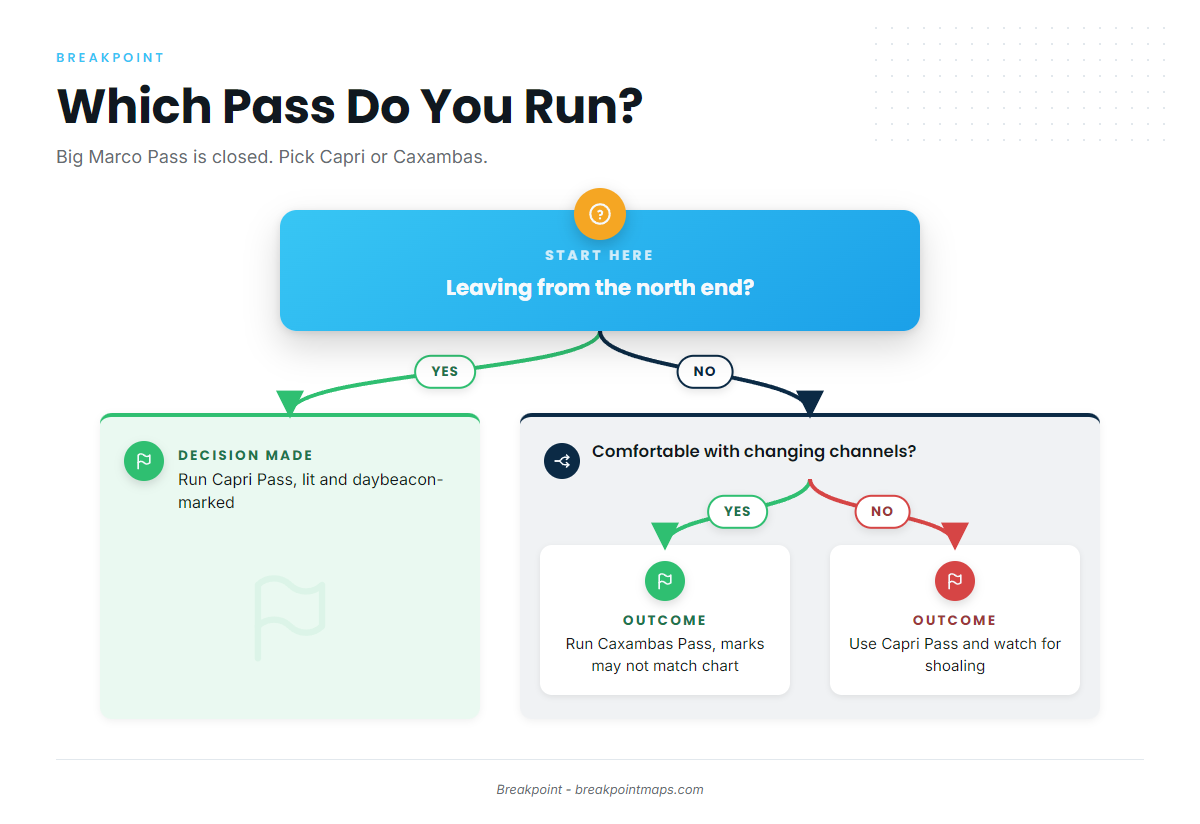
Big Marco Pass is closed, so use Capri Pass. The NOAA Coast Pilot 5 Chapter 4 describes Big Marco Pass as closed off by a barrier island, with shoals extending 1 mile seaward. Capri Pass, about 0.5 mile north, is the north route, and its entrance is marked by lights and daybeacons.
Capri Pass tends to shoal. Marker R 2 marks the start of the pass, and Marco Island Marina’s own directions note that G5 has shoaled in. The Coast Pilot reports numerous shoaling reports between Capri Pass Light 2 and Big Marco River Daybeacon 18, with a caution for vessels drawing 2 feet or more. It describes the area as changing continually, so the chart can lag the bottom.
Caxambas Pass is the south alternative. The channel runs close along Marco’s south shore, and it and the surrounding area change continually. The private daybeacons are not charted, so the marks may not match your chart. The area just south of the pass is extremely shoal and marked with danger beacons, and an unmarked row of old jetty piles lies beyond it.
Give the south end room. Cape Romano Shoals extend 10 miles south of the cape, with depths of 1 to 20 feet over irregular patches. The Coast Pilot reports strong current, with the flood setting south and the ebb north, and breakers have been observed. When the ebb runs out against an onshore wind, seas in a pass can stand up shorter and steeper than the offshore forecast suggests.
Coon Key Pass is the south approach to Goodland and Big Marco River from Gullivan Bay.
Check wind, wave height and period in the NWS Miami marine forecast GMZ656, which covers coastal waters from Chokoloskee to Bonita Beach out 20 NM. Look at the water and the official forecast when you arrive, and if one pass looks bigger than you want, run the other.
Fishing conditions
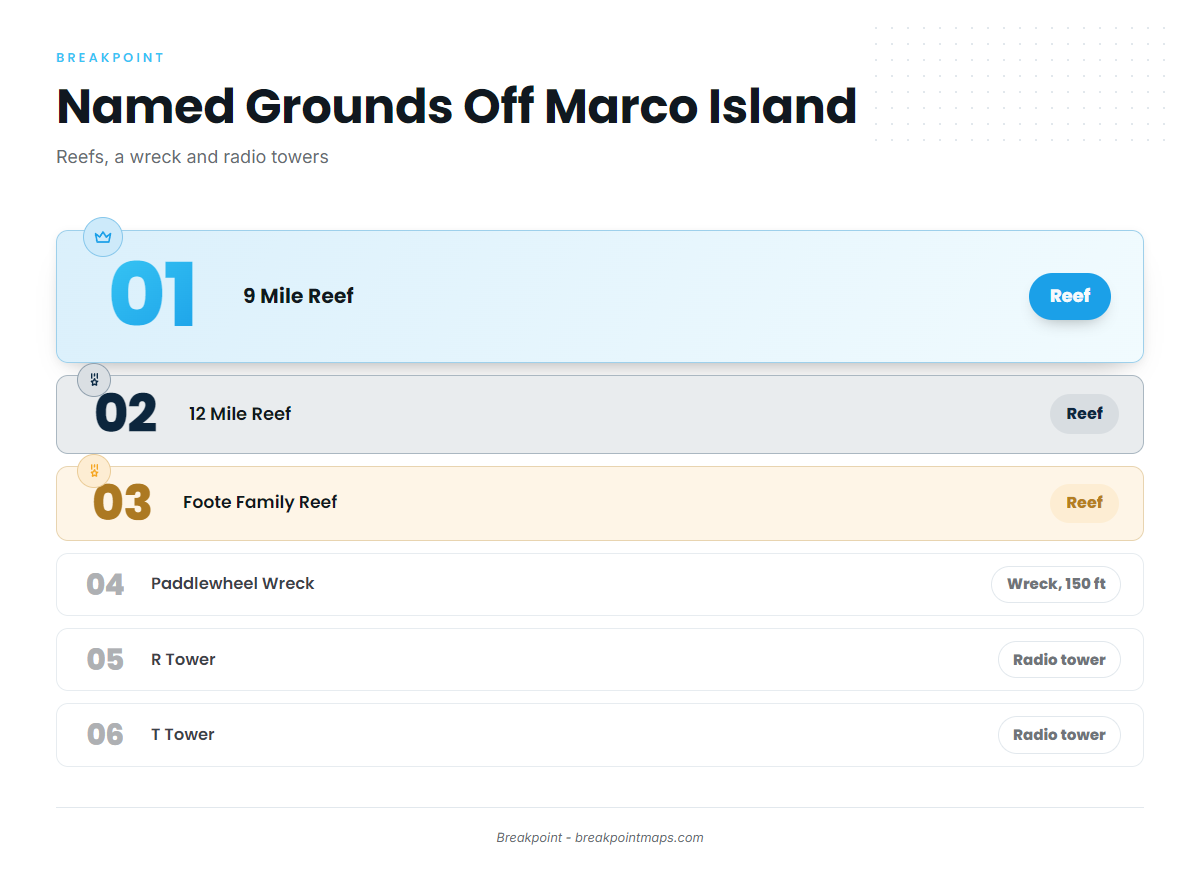
The named grounds off Marco Island:
- 9 Mile Reef – reef
- 12 Mile Reef – reef
- Foote Family Reef – reef
- Paddlewheel Wreck – wreck, 150 ft
- R Tower – Air Force radio tower
- T Tower – Air Force radio tower
Gulf state waters run to 9 nautical miles, and federal waters lie beyond. Private-vessel anglers 16 and older need the free State Reef Fish Angler designation to keep species such as gag grouper, red grouper, red snapper and amberjack. Gag and red snapper seasons change by quota, so check the FWC State Reef Fish Survey page before fishing. State rules are collected on the Florida page.
To decide where to start, look at OBS SST and Chart Contours around the reefs and towers. Chart layers are not for navigation.
Winter
Grouper tend to be the offshore focus as the water cools. Inshore species such as sheepshead, seatrout and pompano also feed in the cooler months.
Spring
Cobia and Spanish mackerel tend to move along the coast, and king mackerel often show as well.
Summer
Permit often show on wrecks such as the Paddlewheel, while mangrove snapper and grouper work the reefs. Sources disagree on the peak, so treat summer as a strong stretch rather than a fixed window.
Autumn
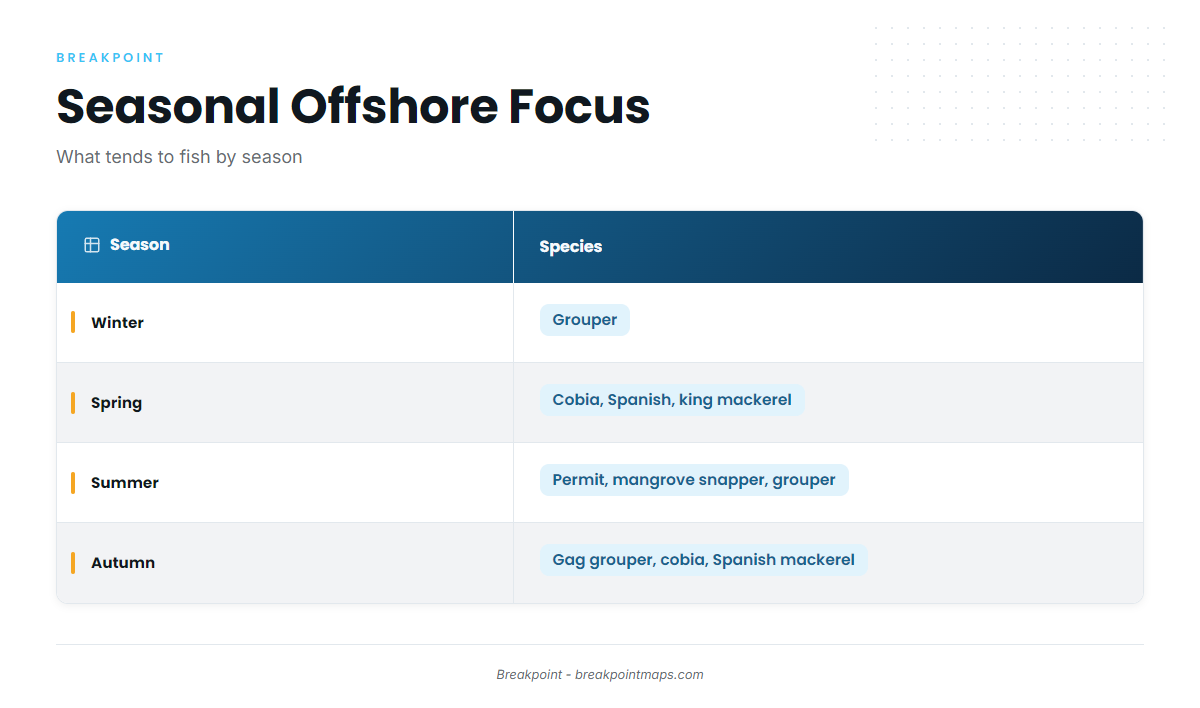
Gag grouper, cobia and Spanish mackerel tend to anchor the offshore trips. Check FWC for the gag season before you go.