


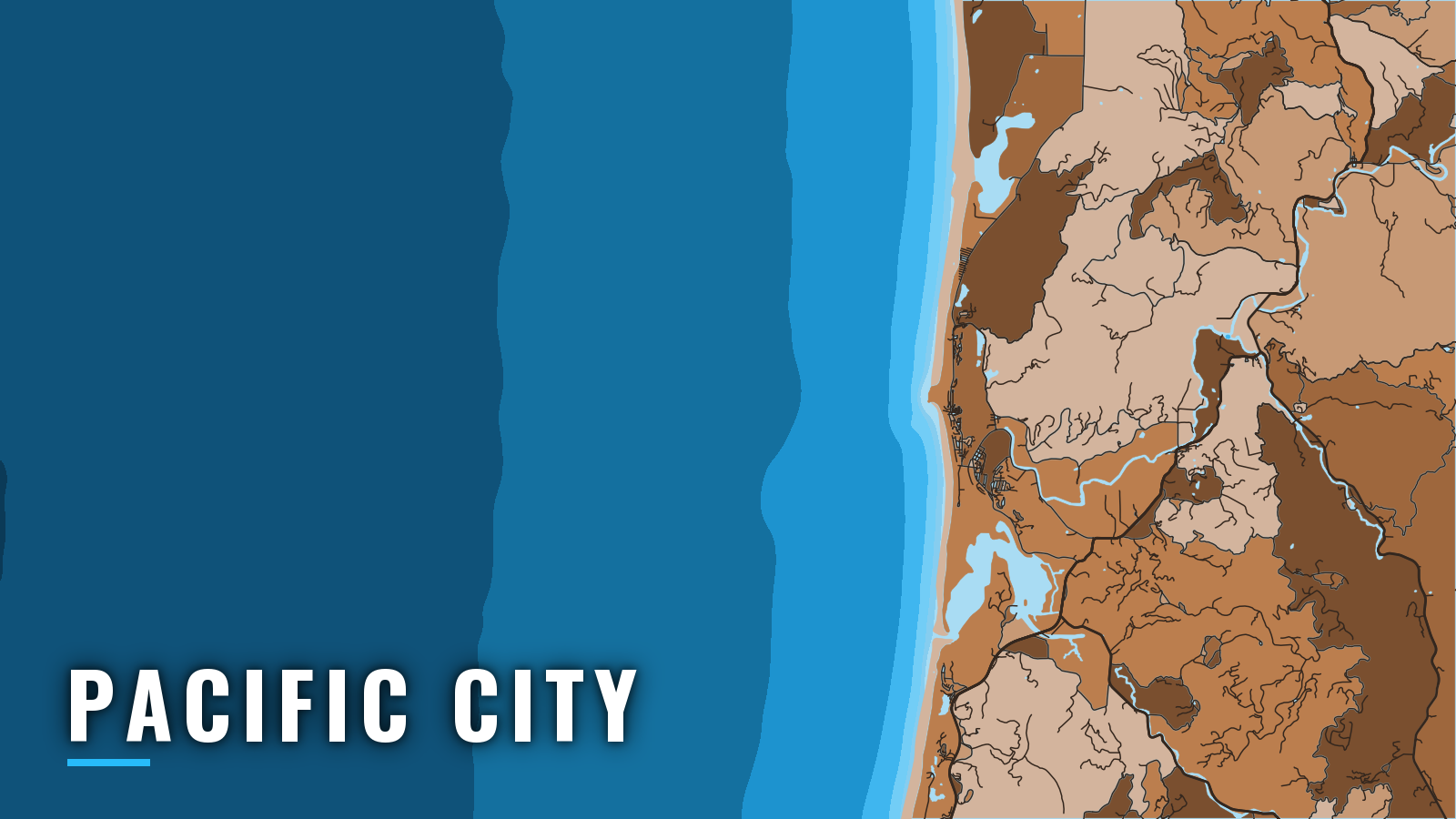

About Pacific City
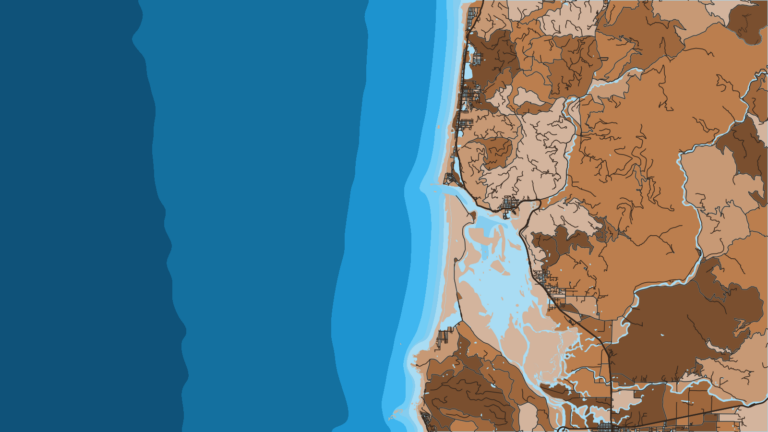
Pacific City has no harbor and no bar. Boats launch off trailers into the surf at Cape Kiwanda and land back on the sand. It is a surf-launch port on the northern Oregon coast, with Haystack Rock standing just offshore of the launch and Nestucca Bay to the south with its own river ramps. Cape Kiwanda sits between Garibaldi and Depoe Bay.
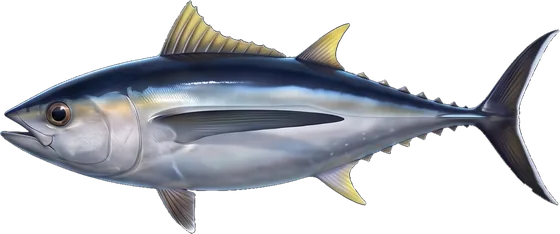
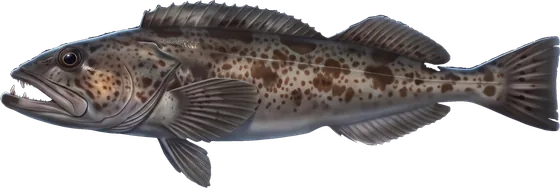
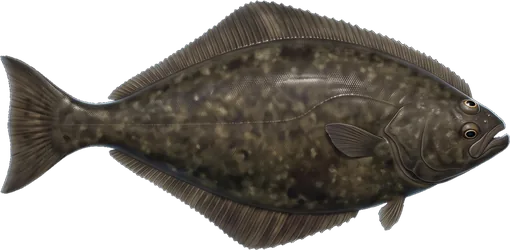
The dory fleet launches from the beach in Cape Kiwanda’s lee. Fishing runs mainly spring through autumn, with crab carrying into winter. Anglers target black rockfish, lingcod, Pacific halibut, Chinook and coho salmon, albacore and Dungeness crab. Seasons, bag limits and depth rules change, so check ODFW’s Marine Zone page before fishing.
Access and navigation
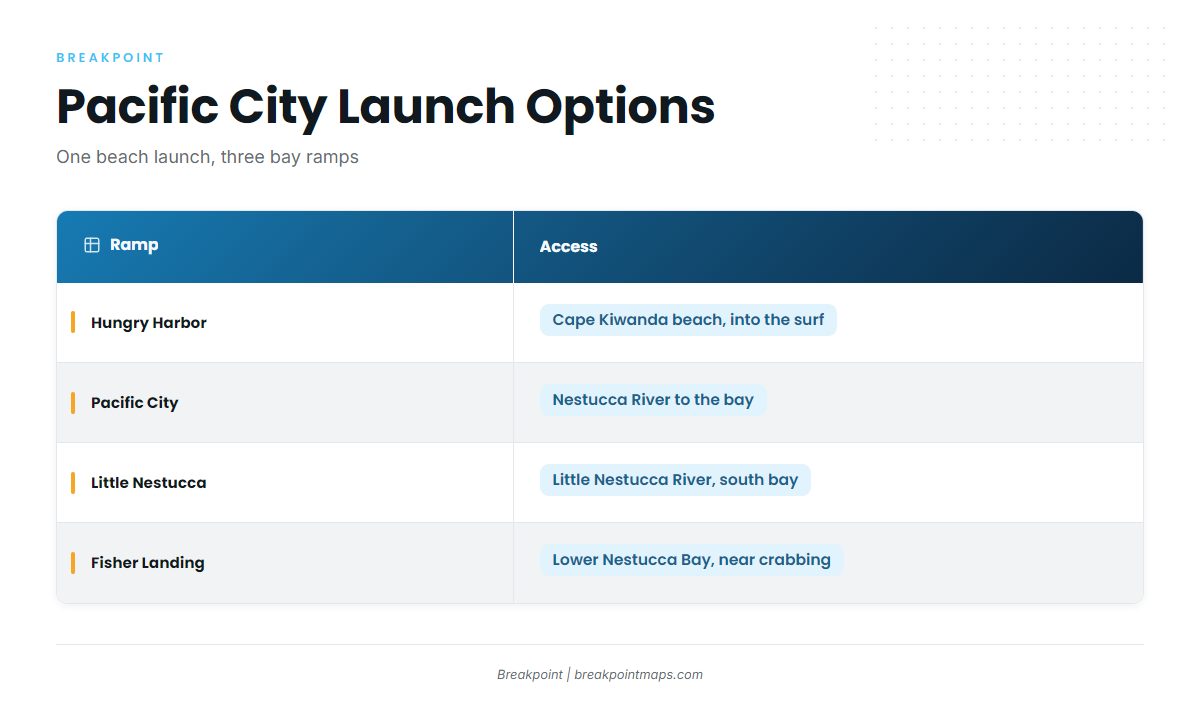
Pacific City has one beach launch and three bay ramps:
- Hungry Harbor Boat Launch – the Cape Kiwanda beach launch, straight into the surf.
- Pacific City Boat Launch – Nestucca River access to the bay.
- Little Nestucca Boat Launch – Little Nestucca River access to the south bay.
- Fisher Landing / Guardrail Hole – lower Nestucca Bay access, close to the crabbing water.
The Cape Kiwanda launch has no bar to cross. Trailers back into the breakers, and the boat goes off stern-first into the oncoming surf. Cape Kiwanda blocks north winds during the spring and summer seasons, which is why the dory fleet launches here.
Surf on the beach generally follows swell size and period. Longer-period swell can stack into bigger sets than the forecast height suggests, and wind swinging out of the north’s protection can put more chop into the cove. The dory fleet’s flat-bottomed hulls are built for this launch. A hull and trailer set up for ramps may not behave the same way on sand and in the surf.
Boats return by running straight at the beach, often with the air horn sounding, and the surf carries them up the sand. There is very little control in that final run, so the landing lane has to stay clear. Spectators crowding it are a known concern.
The Nestucca Bay entrance
The Nestucca Bay entrance is the alternative approach, and it sees little use. Its sand bars keep shifting and the entrance shoals, as described in the NOAA and Oregon State Marine Board guide Boating in Oregon Coastal Waters. Cape Kiwanda shelters it from the northwesterly winds that prevail in summer. Swift currents can run in the lower bay during tidal exchange, which can cost you gear or pull a boat with mechanical trouble out to sea. Treat it mainly as the route between the bay ramps and the bay, not a routine ocean route.
Before you launch
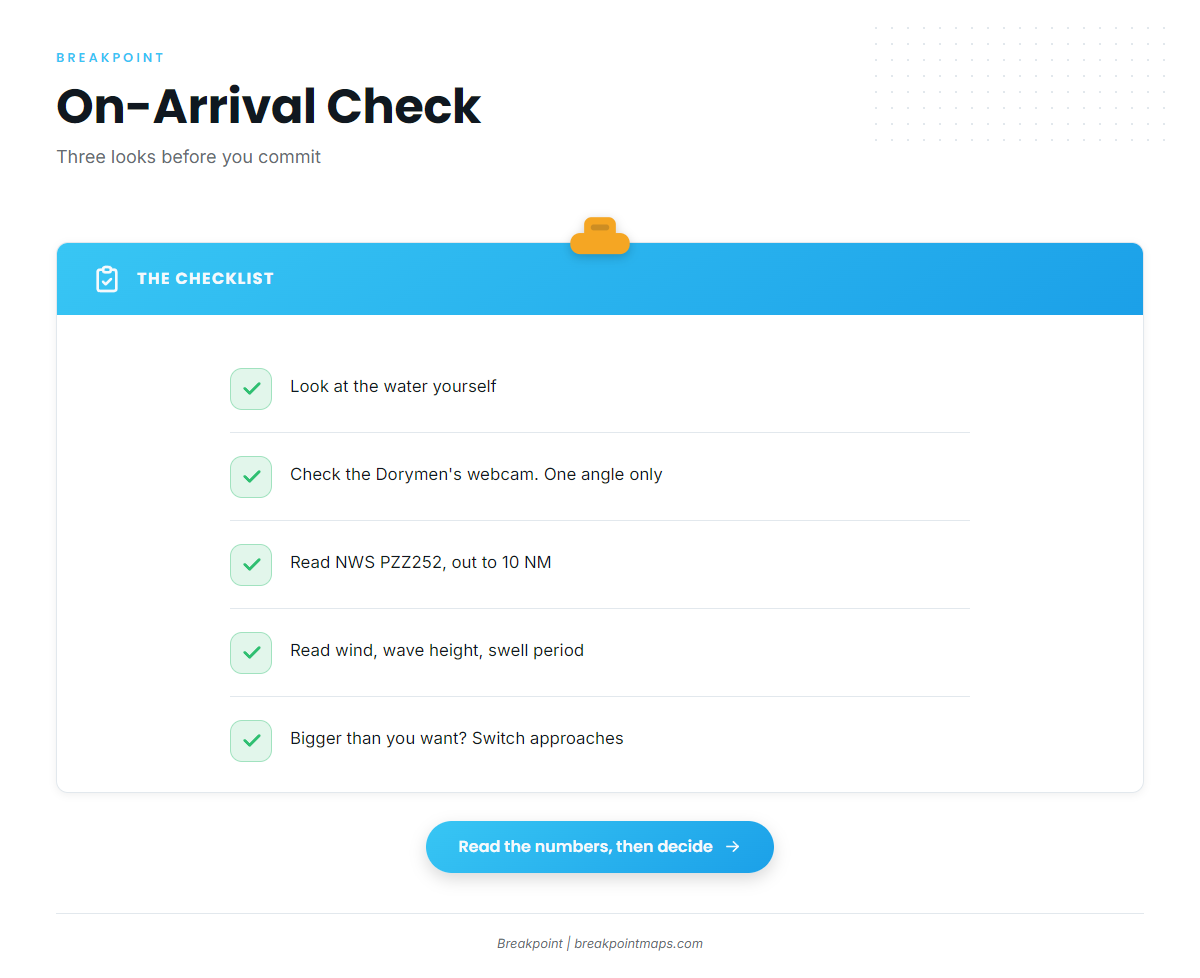
Check three things on arrival:
- Look at the water yourself.
- Look at the Pacific City Dorymen’s Association webcam. It shows one vantage of the beach.
- Read the NWS PZZ252 coastal waters forecast. Zone PZZ252 covers Cape Falcon to Cape Foulweather, out to 10 NM.
The camera sees only one angle, and the forecast is a forecast. Read wind, wave height and swell period, and decide from the numbers. If the beach or the entrance looks bigger than you want, switch approaches or fish the bay.
Fishing conditions
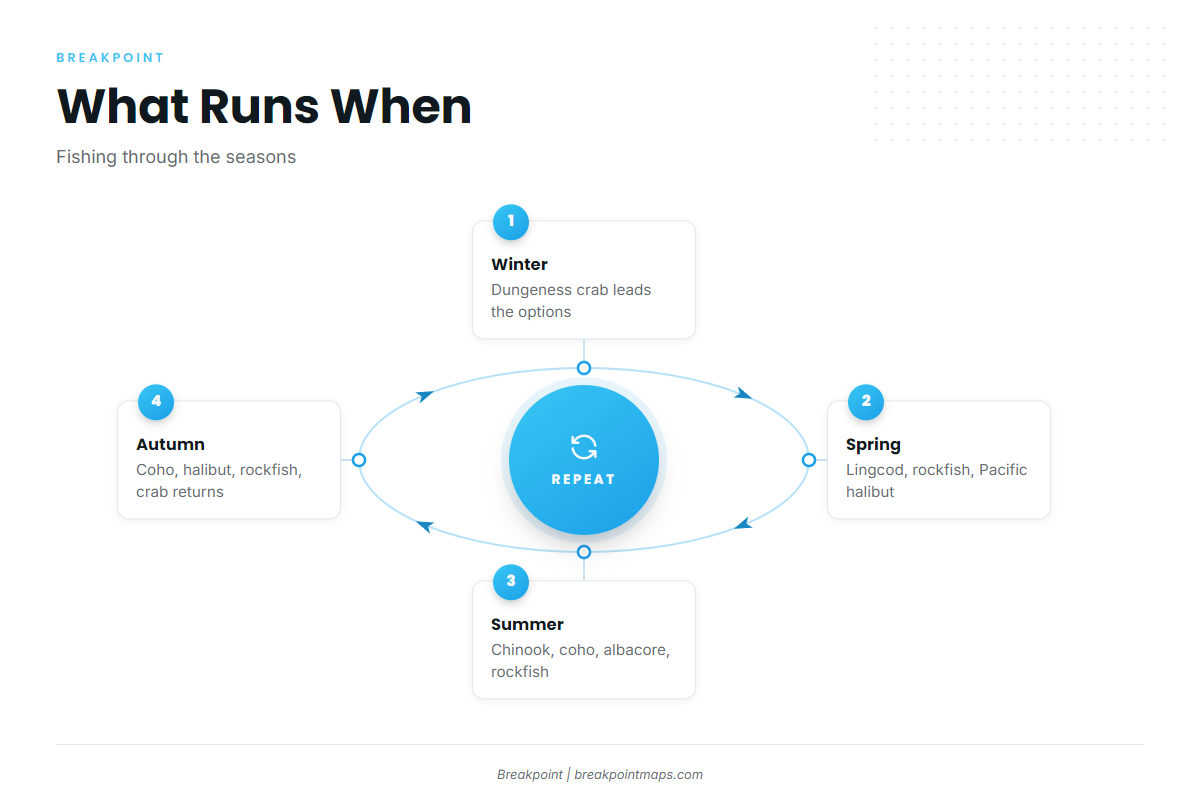
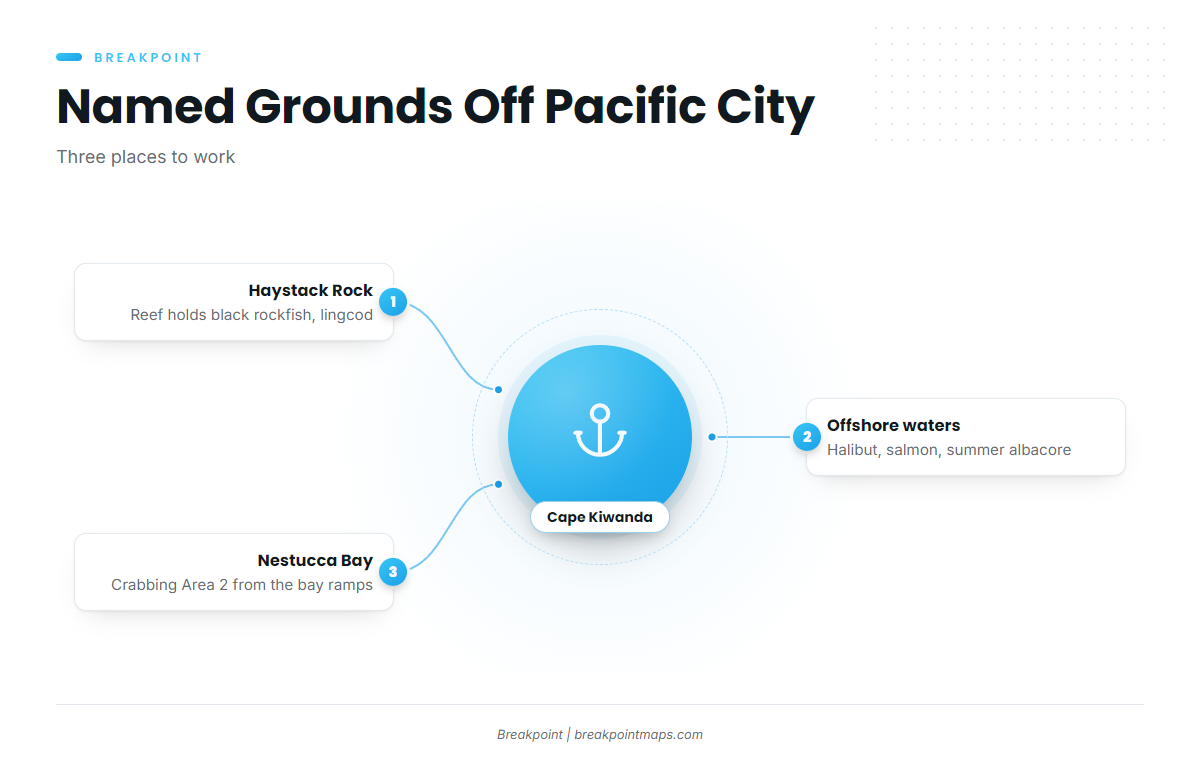
Species detail and rules are in our Pacific Northwest species and seasons guide. The table below shows what each ground offers.
| Ground | What it holds |
|---|---|
| Haystack Rock | The sea stack just off the launch. Its reef structure holds black rockfish and lingcod. |
| Cape Kiwanda offshore waters | Deeper water west of the cape for halibut, salmon trolling, and albacore runs when warm water moves inshore. |
| Nestucca Bay crabbing Area 2 | ODFW’s named bay crabbing area, reached from the bay ramps. |
The Chart Contours layer in Breakpoint shows where the reef edges around Haystack Rock drop off. Chart layers are not for navigation.
Winter
Dungeness crab is the main option. Frequent winter swell may limit beach-launch days.
Spring
Lingcod work the reefs, rockfish gather around Haystack Rock, and Pacific halibut open the deeper water. Pacific City falls within ODFW’s Central Oregon Coast halibut subarea, Cape Falcon to Humbug Mt. Check ODFW for dates and depth rules.
Summer
Lingcod and rockfish stay on the reefs, with Pacific halibut and Chinook salmon in deeper water. Coho openings vary by year, and albacore show up offshore when warm water moves in. The shelter Cape Kiwanda gives from north winds matters most in this season.
Autumn
Coho and Pacific halibut run offshore, rockfish stay on the reefs, and Dungeness crab returns.