

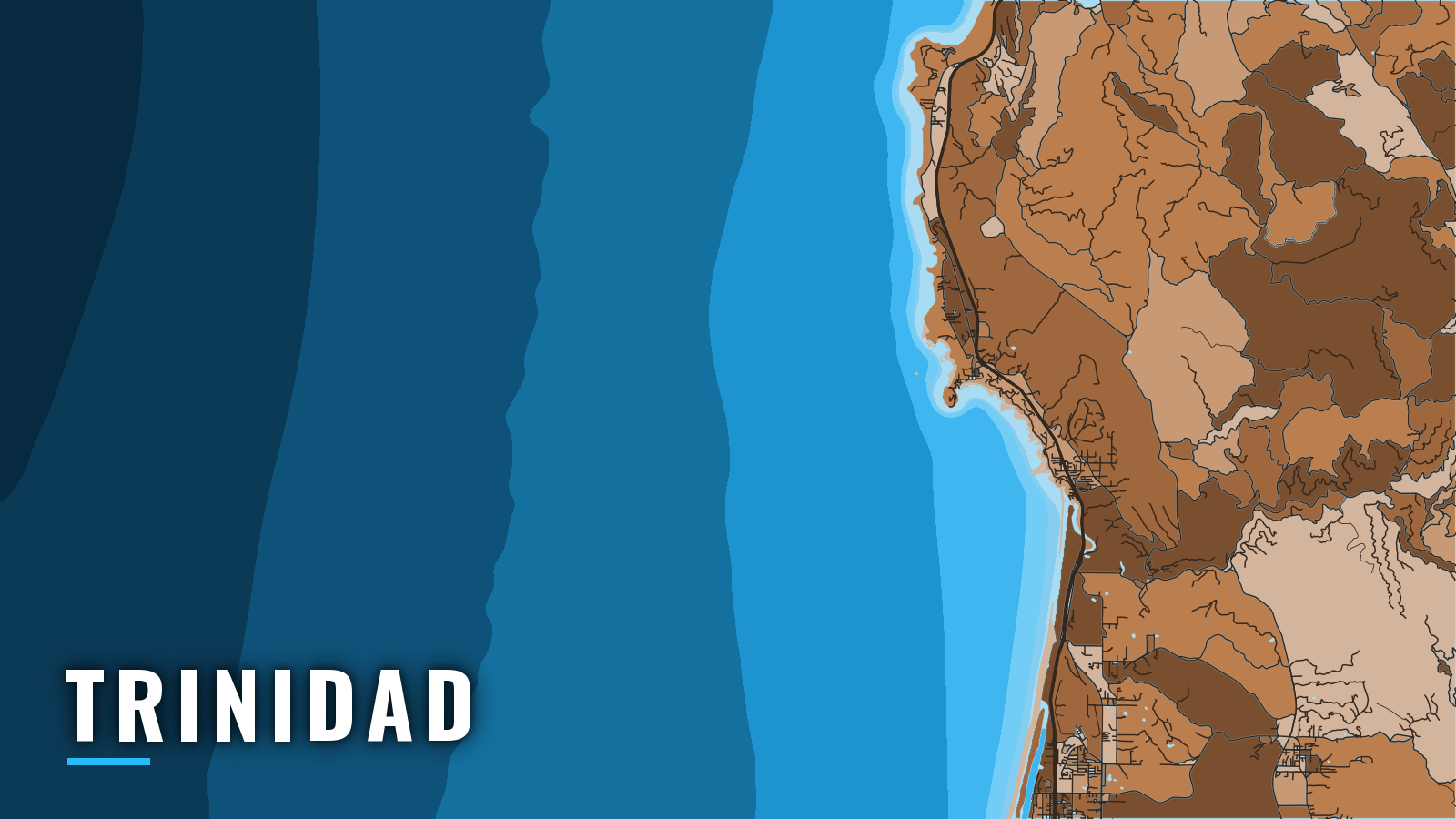

About Trinidad
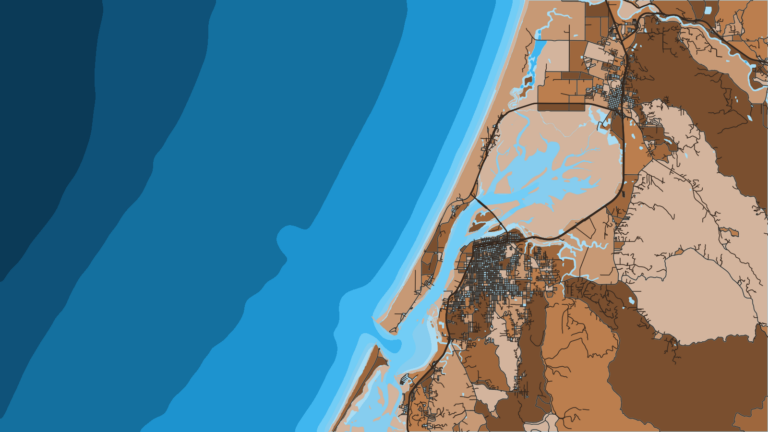
Trinidad Harbor is a small open cove east of Trinidad Head in Humboldt County, on the coast between Humboldt Bay and Crescent City. It is one of the Northern California ports that open directly onto the Pacific, and the headland shelters it. The harbor has a pier, a marine railway and a beach launch. Boats fish the rocky coast between Trinidad Head and Patrick’s Point (Sue-meg), and some make longer offshore runs north to Reading Rock.
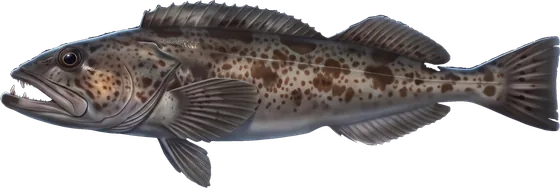
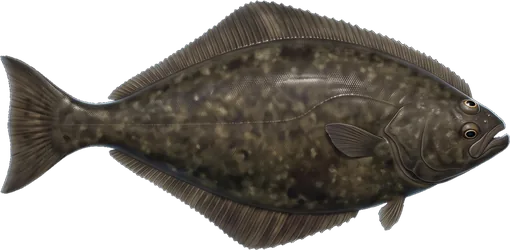
Boat groundfish fishing runs from spring through autumn and is closed in the first quarter. Pacific halibut opens in spring. Chinook salmon is available only when CDFW opens it, and Dungeness crab follows CDFW’s annual openings. The usual targets are lingcod, black rockfish, cabezon, greenlings, Pacific halibut, Dungeness crab and, when open, Chinook salmon.
Access and navigation
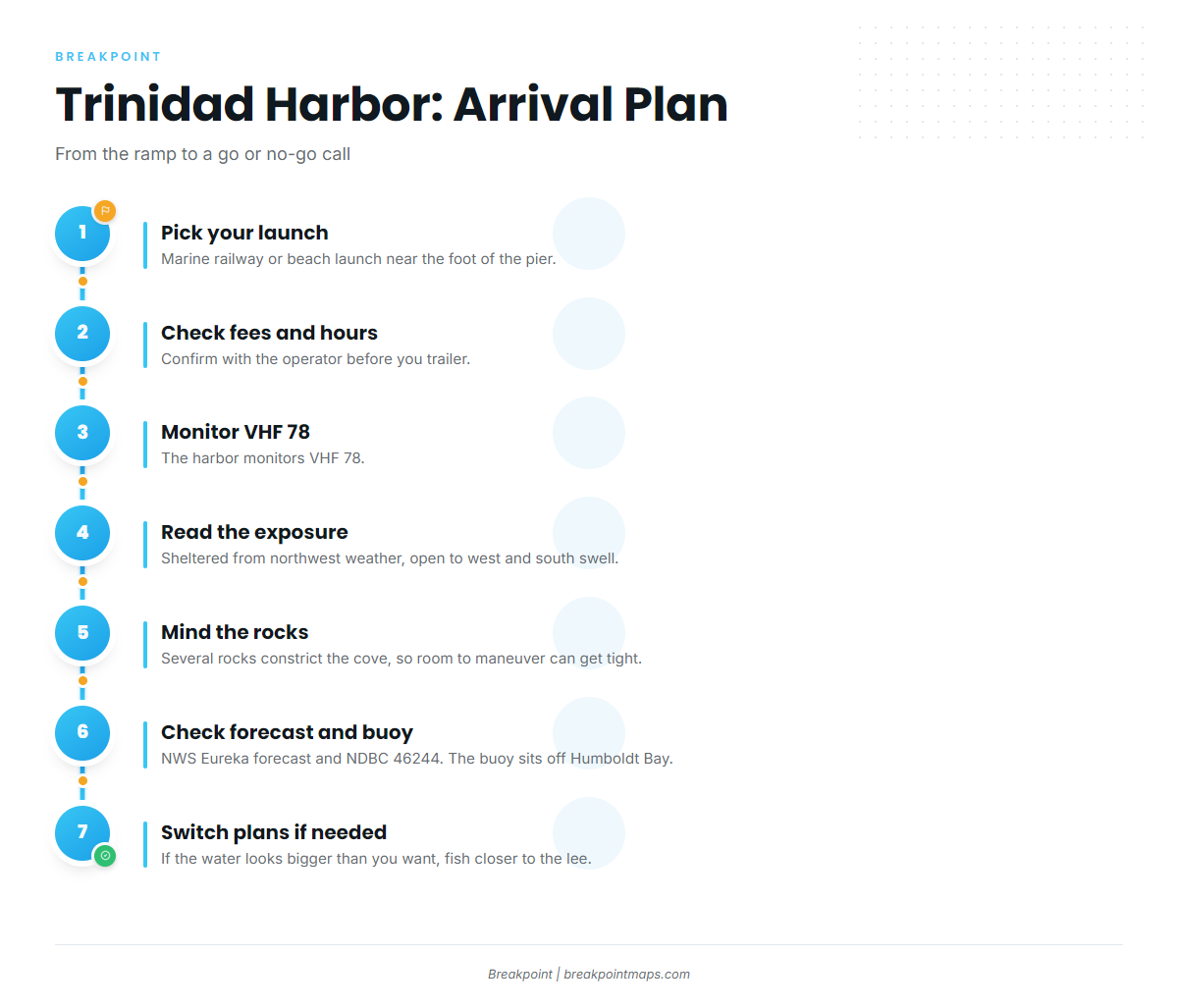
Two facilities serve a boat owner here:
- Trinidad Harbor railway and beach launch: a marine railway near the foot of the pier, with a beach launch on its east side.
- Seascape Trinidad Harbor: the pier, transient berths and tie-ups, with a fish cleaning station, restrooms, dock water, tackle sales and a restaurant.
The marine railway handles boats up to 25 feet long and 8.5 feet wide. Check fees and hours with the operator before you trailer. The harbor monitors VHF 78.
Entrance behavior
The harbor is sheltered from northwest weather and open to west and south swell. Some swell tends to run in the cove even when the weather is from the north. Several rocks constrict the cove, which can make maneuvering tight, and south swell can wrap into the anchorage.
The charted anchorage is in 42 feet over mud, about halfway between Prisoner Rock and Trinidad Head. Holding is fair. Details are in U.S. Coast Pilot 7, Chapter 8.
Rocks and hazards
The Coast Pilot lists these dangers in and around the cove:
- Prisoner Rock, 42 feet high, 220 yards east of Trinidad Head.
- A rock covered 7 feet, 150 yards north-northwest of Prisoner Rock.
- A rock covered 9 feet, 400 yards south-southeast of Prisoner Rock, with a bell buoy 175 yards west of it.
- Flat Rock, 350 yards east-northeast of Prisoner Rock, with a rock covered 5 feet 150 yards south-southeast of it.
Alternative plan
When conditions outside look bigger than you want, the lee of Trinidad Head and the nearshore water toward Patrick’s Point tend to fish closer to home. Reading Rock is a run of about 20 miles north. The Humboldt Bay entrance, 17.5 miles south, is a bar crossing; read more about Humboldt Bay before considering it.
Before you commit
Look at the water when you arrive, then check the NWS Eureka marine forecast and the NDBC 46244 wave buoy. If the water looks bigger than you want, switch plans. The forecast is only a forecast, and the buoy sits off the Humboldt Bay North Spit, not in Trinidad Bay. Chart layers are not for navigation.
Fishing conditions
Two grounds make up the offshore picture. The first is the nearshore rockfish water from Trinidad Head to Patrick’s Point (Sue-meg). The second is Reading Rock, 94 feet high and lit, 4.5 miles offshore west of Mussel Point. Part of the Reading Rock reef lies inside the Reading Rock State Marine Reserve, so check the boundaries on CDFW’s map before you drop.
Trinidad is in CDFW’s Northern Management Area. Check the CDFW Northern Region ocean regulations before every trip. Species detail is in our Pacific Northwest fishing guide. To read the water before the run, use the OBS SST, Chlorophyll and Chart Contours layers.
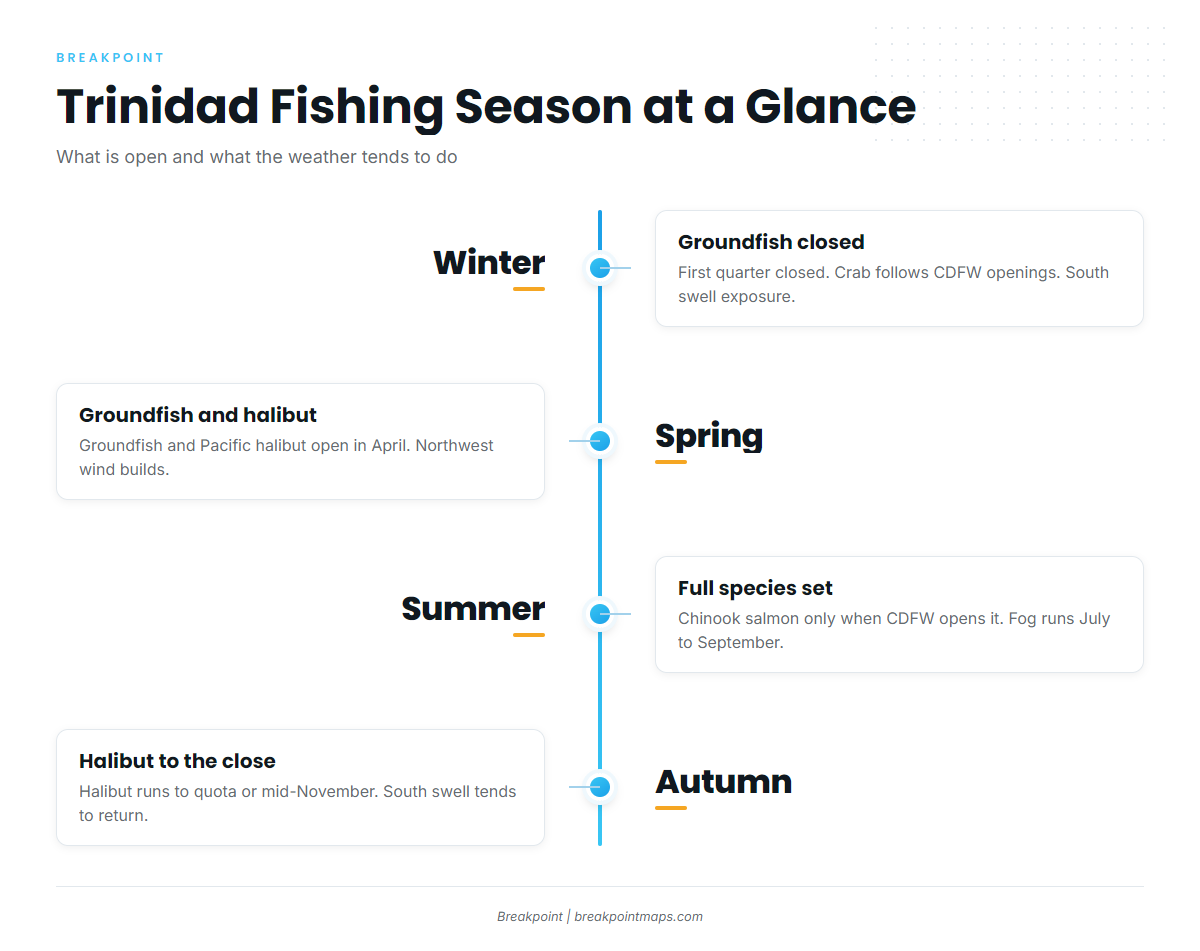
Winter
Boat-based groundfish fishing is closed in the first quarter, and Dungeness crab follows CDFW’s annual opening. The harbor tends to be most exposed to south swell in this season, so expect short windows.
Spring
Groundfish opens in April, with lingcod, black rockfish, cabezon and greenlings available. Pacific halibut also opens in April, and Dungeness crab continues per CDFW. Northwest wind tends to build, and the harbor sits in its lee.
Summer
The full species set is open: lingcod, black rockfish, cabezon, greenlings, Pacific halibut and Dungeness crab, plus Chinook salmon only when CDFW opens it. Northwest to north winds are the most common, at 20 to 30 knots about 10 to 20 percent of the time. Advection fog runs from July through September.
Autumn
Groundfish continues. North of Point Arena, Pacific halibut runs until the quota is reached or the mid-November close, whichever comes first. Dungeness crab continues per CDFW. South swell exposure tends to return as the season turns.