


About Garibaldi
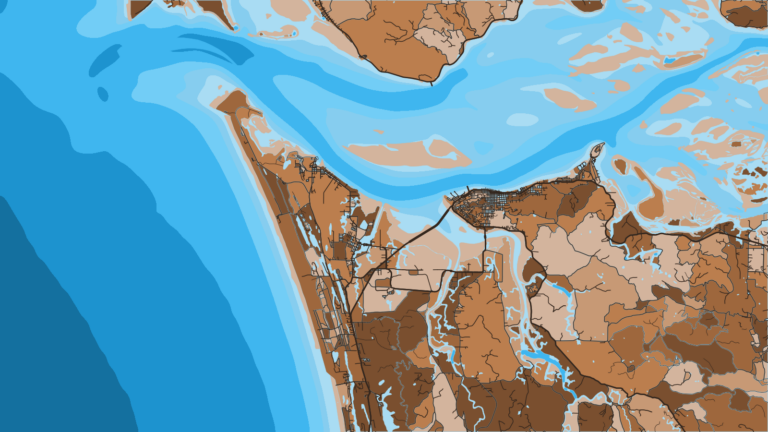
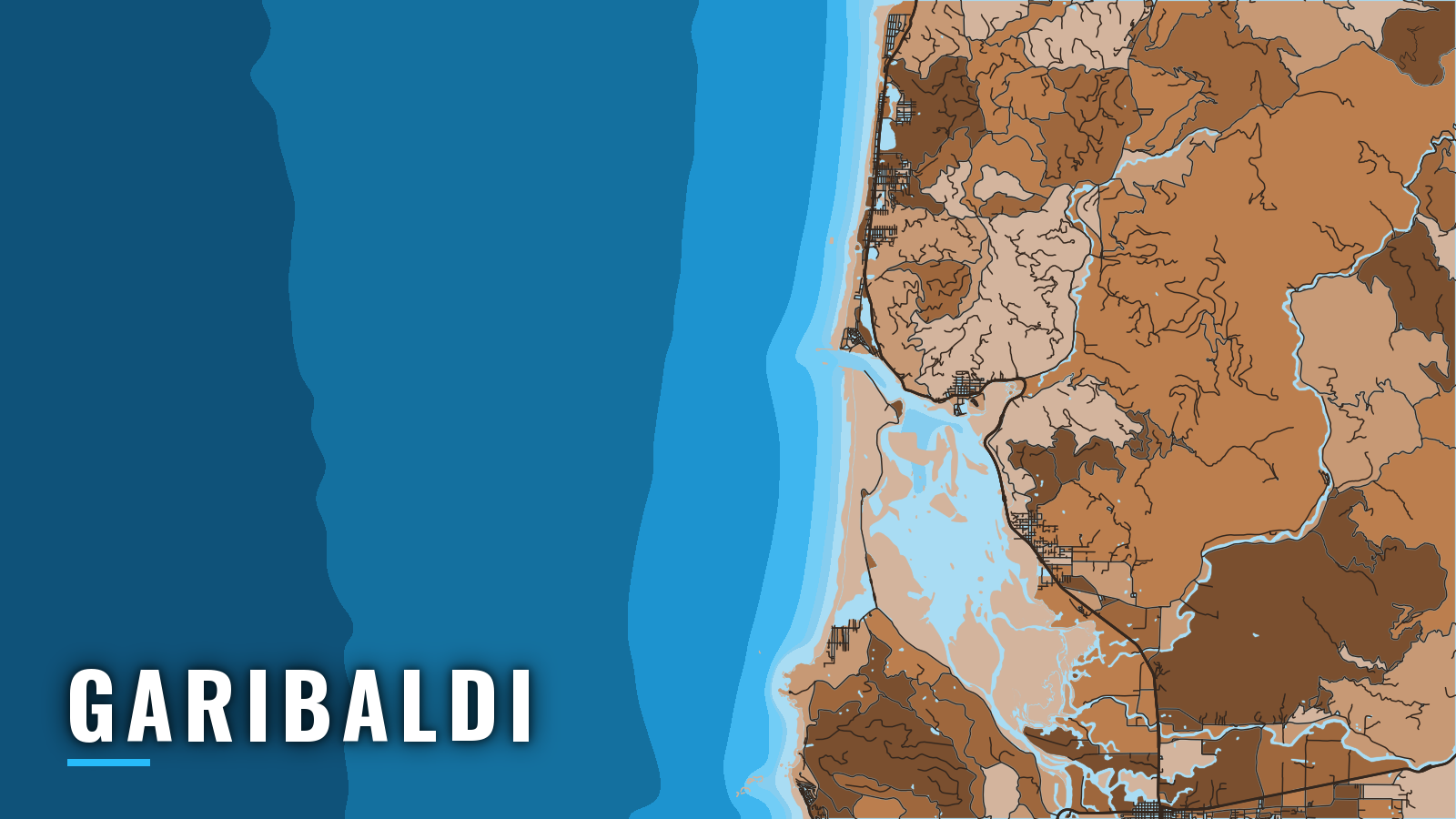
Garibaldi is a harbor on Tillamook Bay on the north Oregon coast, with a Port-run boat basin, a public ramp and a jettied entrance bar. Tillamook Bay sits 50 miles south of the Columbia River bar at Astoria, on the Tillamook County coast north of Pacific City.
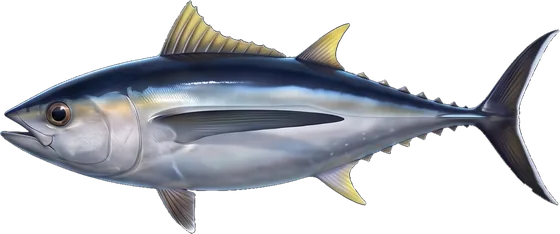
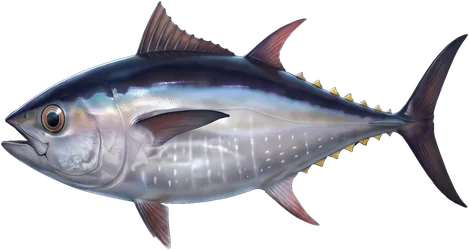
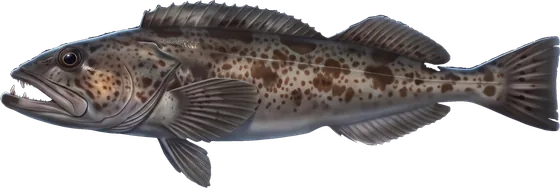
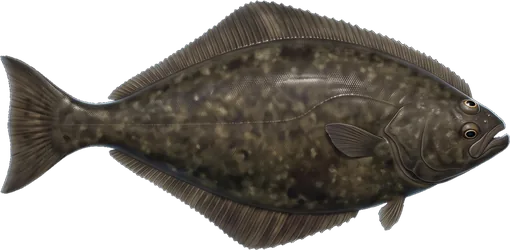
The water is workable mainly from spring through autumn, and winter is limited by bar windows. Boats fish black rockfish and lingcod nearshore, then run offshore for Pacific halibut, coho and Chinook salmon and albacore. Dungeness crab fills the bay. Garibaldi is one of the core Pacific Northwest ports for a skipper with a trailer boat and a good plan.
This guide covers where to launch, how the bar behaves and where to read it, and what the grounds and seasons offer.
Access and navigation
Launching and moorage are concentrated at the Port’s boat basin.
- Port of Garibaldi public boat ramp – Port-run ramp at the boat basin
- Port of Garibaldi boat basin – moorage
- Garibaldi Marina – fuel, rentals
The entrance
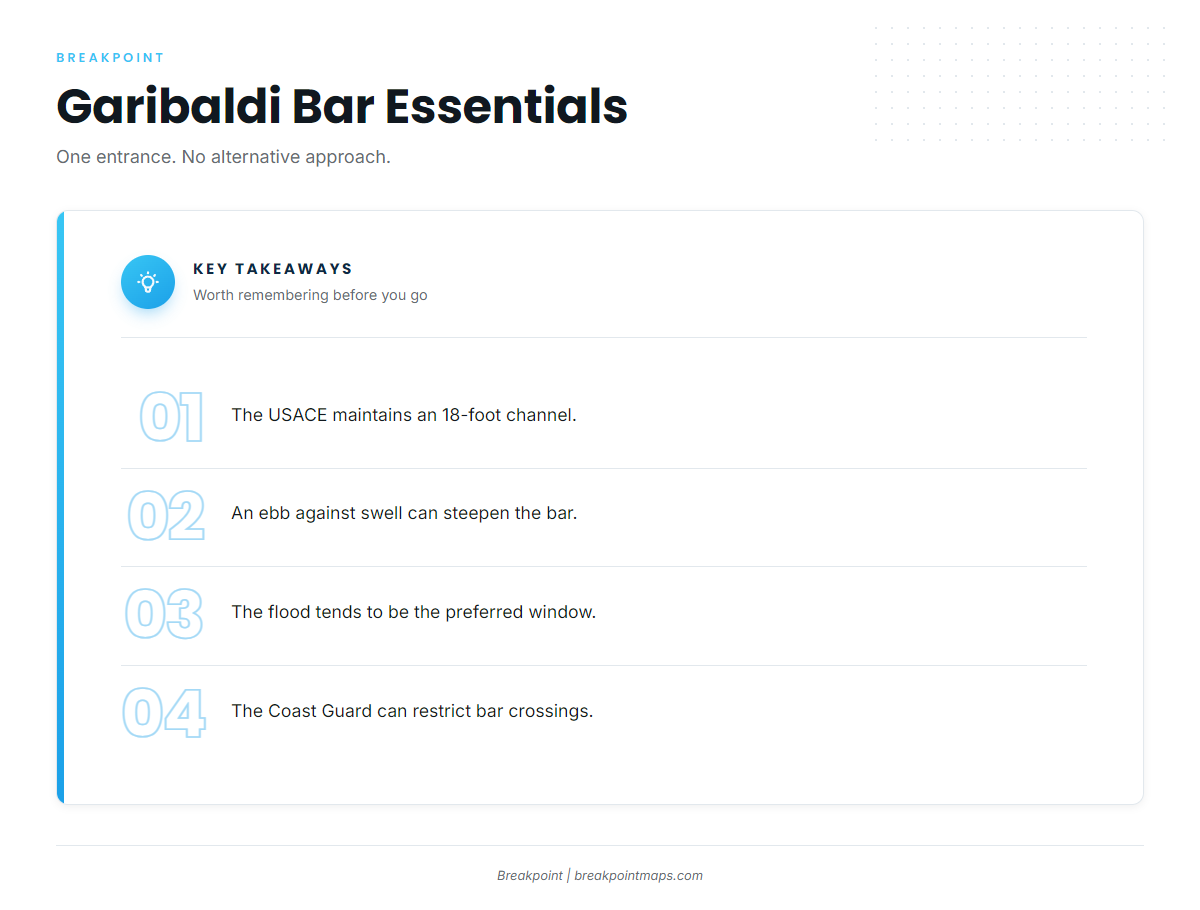
The Corps’ Tillamook Bay project page lists an 18-foot channel over the ocean bar. The north jetty measures 5,213 ft. The south jetty measures 7,094 ft, against 8,000 ft authorized. The page describes wave damage to both jetties and repairs to the south jetty head and trunk.
With an 18-foot channel, you can’t avoid a breaking bar by finding deeper water. An ebb running out against incoming swell can steepen the bar and make it break. Conditions can change between the morning run out and the afternoon return, and the flood is generally the better window for crossing.
Tillamook Bay has one entrance, so there is no alternative approach. The Coast Guard can restrict recreational bar crossings when conditions warrant.
Where to read conditions
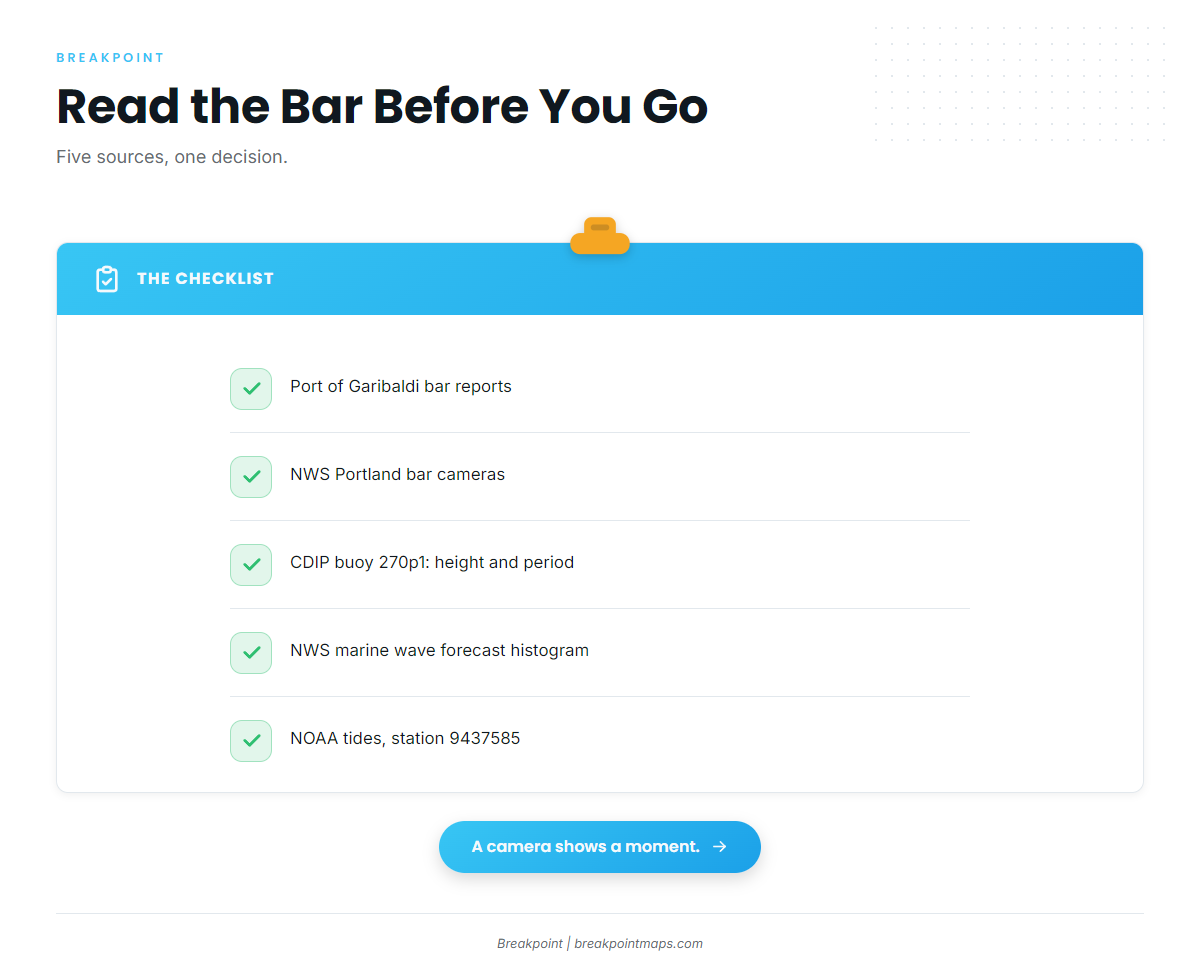
Check these sources before you leave the dock and again when you reach the bar:
- Port of Garibaldi bar reports – the Port’s collected weather and bar links
- NWS Portland bar cameras – live view of the Tillamook entrance
- CDIP buoy 270p1 – wave height and period
- NWS Portland marine wave forecast histogram – forecast wave trend
- NOAA tide predictions, station 9437585 – ebb and flood timing
Read the bar camera against the buoy’s period. A long-period swell can look modest offshore and still stand up on an ebb. The camera shows a single moment, the buoy sits offshore of the bar, and a forecast is only a forecast.
On arrival
Look at the water and the official forecast when you arrive, and check wave height, period and wind with the NWS and the Coast Guard. If the bar looks bigger than you want, wait for the tide or fish the bay. Dungeness crabbing in the bay is the usual fallback, since the bar is the only way out.
Fishing conditions
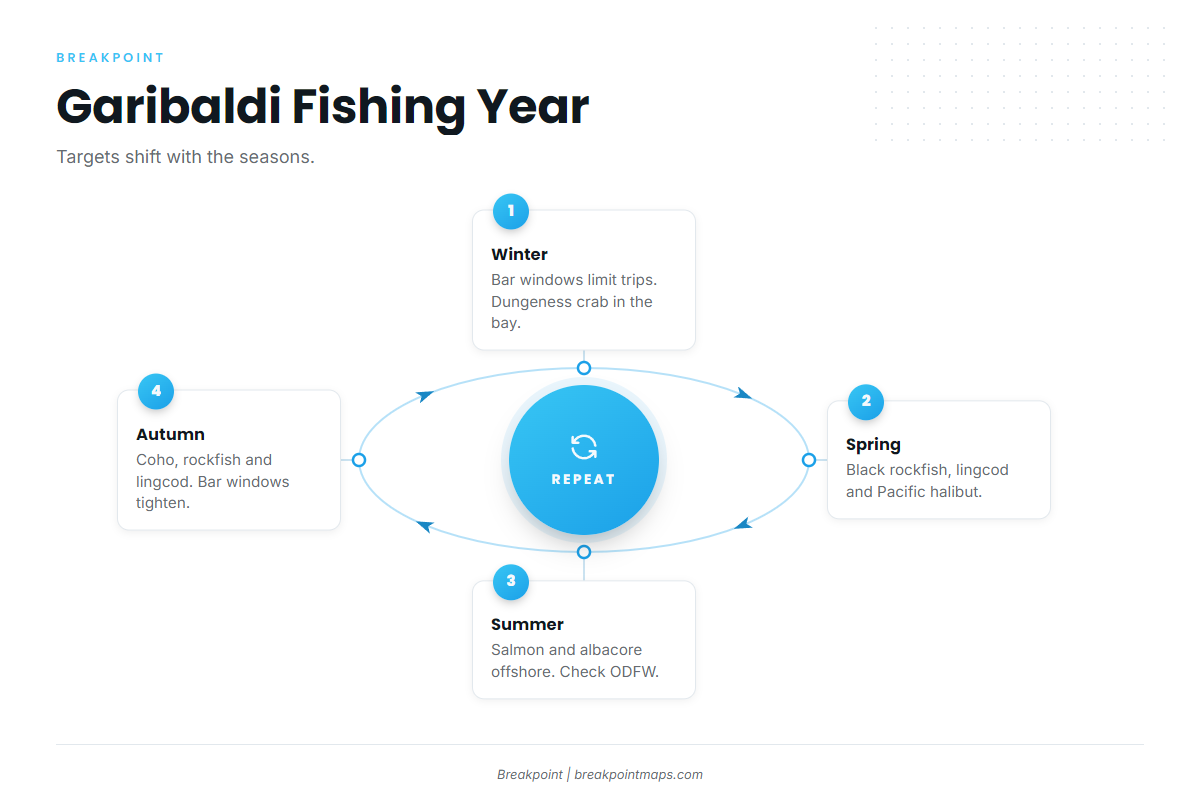
Bottomfish work the nearshore reefs, and halibut, salmon and albacore draw boats offshore. Check ODFW marine zone regulations before you fish. Halibut and salmon seasons are set by quota, and bottomfish depth rules change, so the agency page is the place for those figures.
Reefs off Cape Meares and Cape Lookout, and around the Three Arch Rocks area, hold black rockfish and lingcod. Three Arch Rocks are refuge rocks, and USFWS advises vessels to stay at least 500 ft from the islands and emergent rocks of the Oregon Islands refuge.
Cape Falcon Marine Reserve lies to the north, off Oswald West State Park. Fishing is prohibited inside it, and the adjoining west marine protected area allows only trolled salmon and crab. ODFW publishes boundary coordinates for GPS units in the Cape Falcon Marine Reserve plan.
Chart Contours shows the reef edges worth a drift. Chart layers are not for navigation.
Winter
Crossable days are fewer, so watch for bar windows. Black rockfish and lingcod are possible when the bar allows, and ODFW carries the depth rules. Dungeness crab stays in the bay.
Spring
Black rockfish and lingcod sit on the reefs, and Pacific halibut opens the offshore season. Garibaldi sits in the Central Oregon Coast subarea, which runs from Cape Falcon south past Depoe Bay to Humbug Mt. ODFW manages halibut by port of landing and sets seasons by quota, so check its page before you plan the trip.
Summer
Offshore rockfish join the bottomfish catch, and coho and Chinook salmon fishing depends on ODFW quota openings. Boats run offshore for albacore, and the albacore tuna fishing guide covers the fish itself.
Track the temperature break and color edges with OBS SST and Chlorophyll before you commit fuel to the run. A cloud-covered satellite pass leaves gaps in SST, so the NANOOS tuna viewer is a useful second view.
Autumn
Black rockfish and lingcod continue, and coho continues subject to ODFW quota. Albacore stays offshore, and you can read how PNW tuna water sets up offshore before you go. The days shorten and bar windows can tighten heading toward winter.