


About Newport
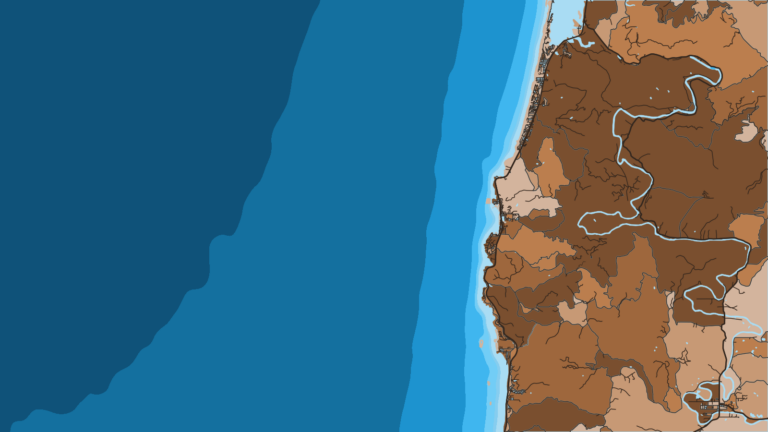
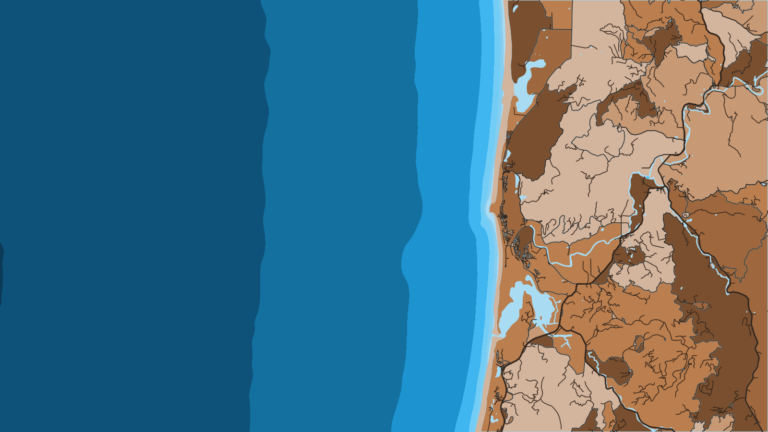
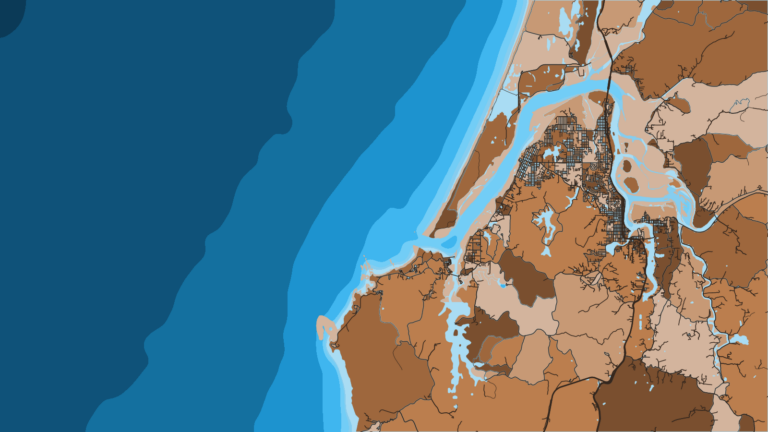
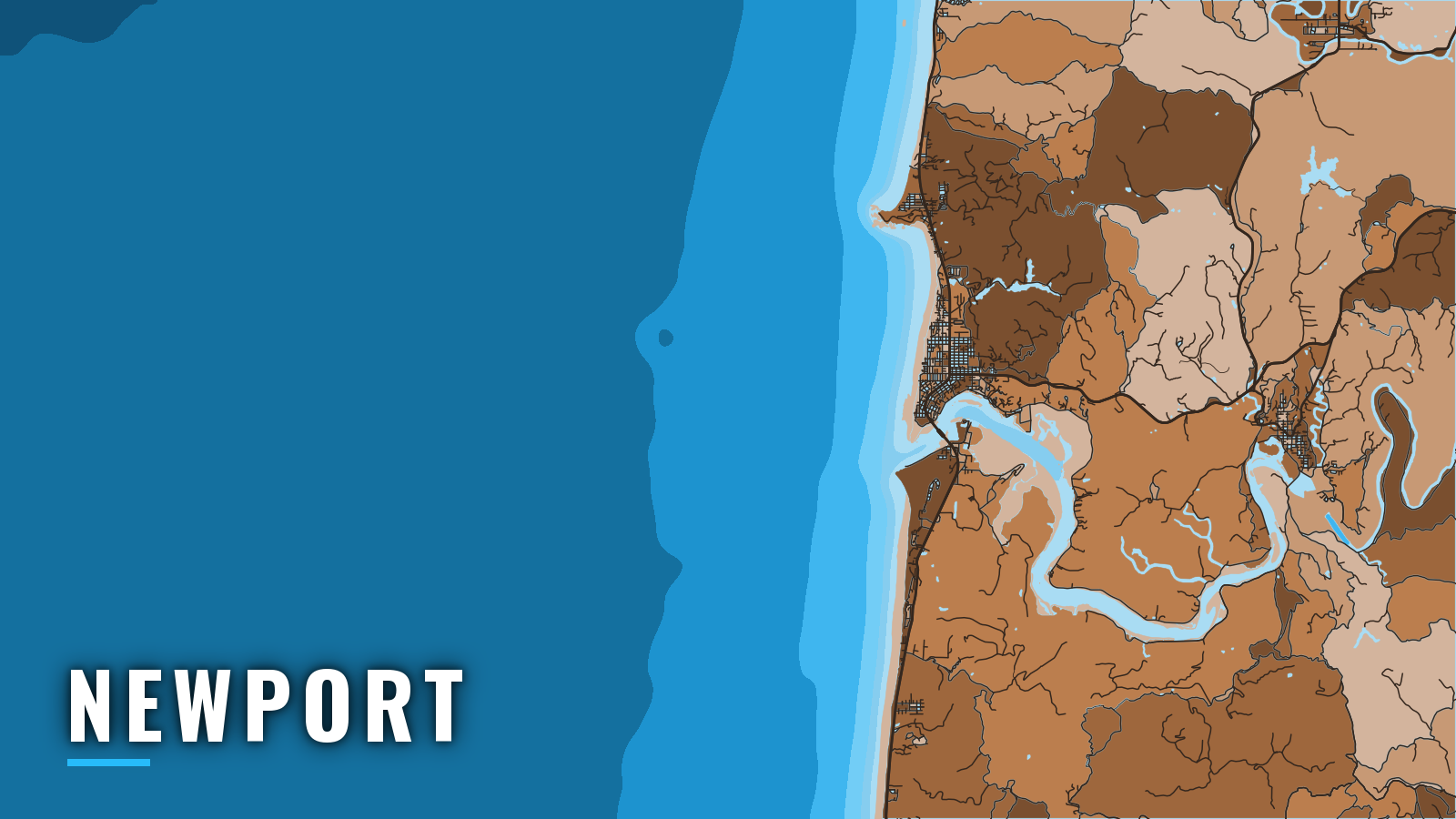
Newport is the Yaquina Bay port on the central Oregon coast. Port of Newport recreational berths and a launch ramp sit at South Beach, commercial docks sit on the Bayfront, and a single jetty entrance leads to the Pacific.
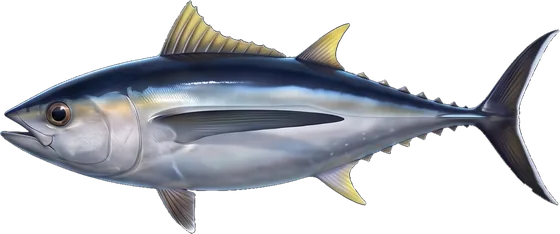
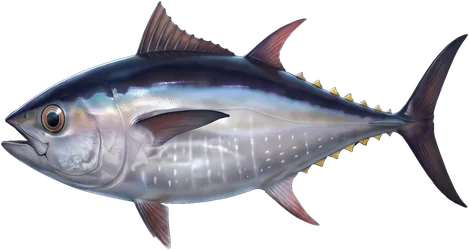
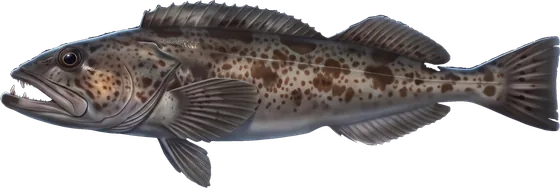
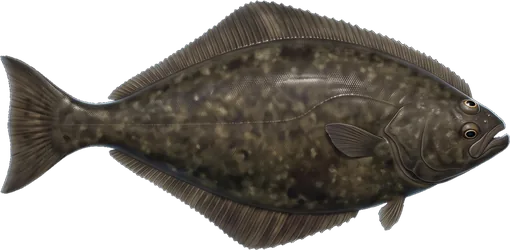
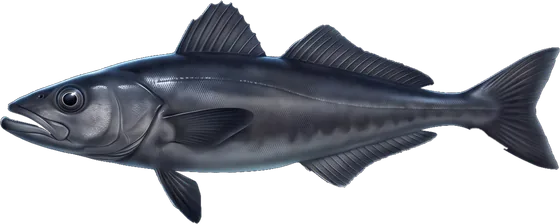
Rockfish and lingcod fish year-round. Pacific halibut, Chinook and coho salmon, flatfish such as sanddabs and petrale sole, and Dungeness crab come in with their seasons, and albacore tuna arrive in summer and early autumn. The wider Pacific Northwest picture adds context. The sections below cover where to launch, how the Yaquina Bay entrance tends to behave, and what each season offers.
Access and navigation
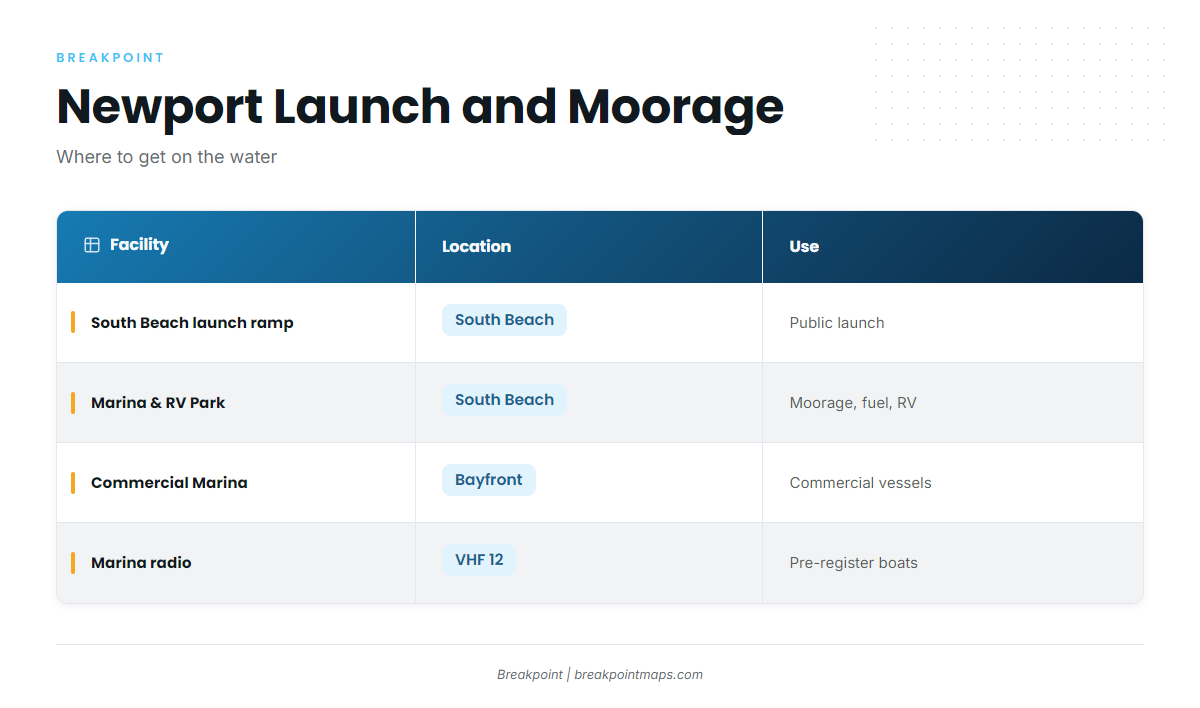
Newport has one public launch ramp and one recreational marina, both at South Beach. The Bayfront is commercial.
- Port of Newport South Beach Marina launch ramp – public launch ramp at South Beach.
- Port of Newport Marina & RV Park – recreational moorage at South Beach with a fuel dock and RV sites. The marina monitors VHF 12, boats must be pre-registered, and slips are assigned at reservation. An after-hours assistance procedure is listed.
- Port of Newport Commercial Marina (Bayfront) – commercial vessels only. Transient vessels check in at the port administration building before using port docks.
Entrance and approaches
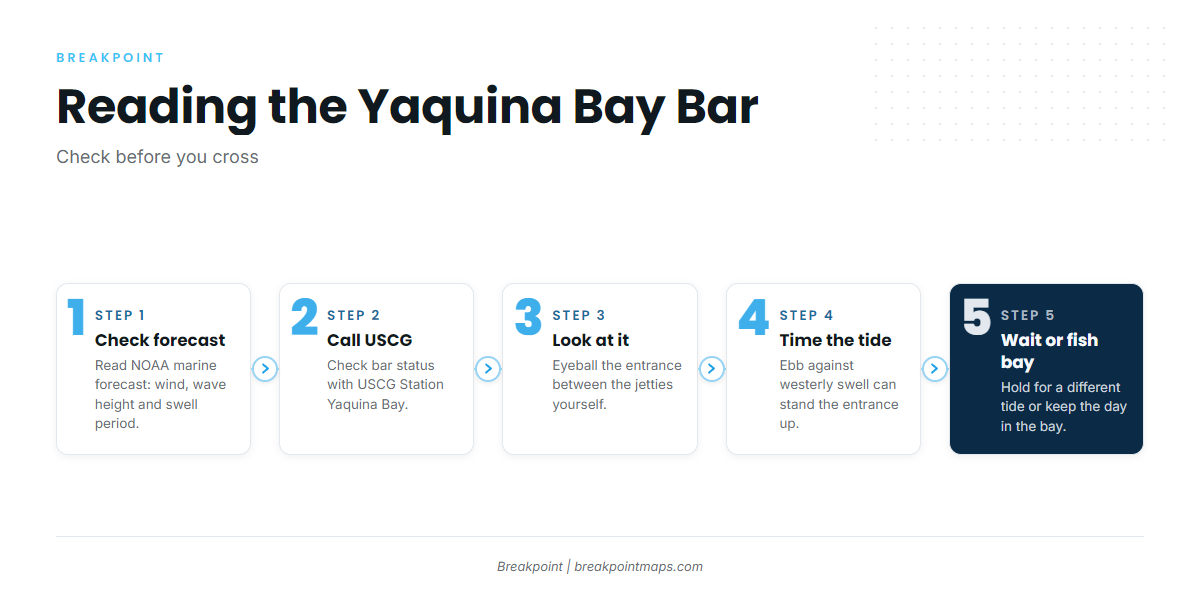
The Yaquina Bay entrance runs between the north and south jetties. An ebb tide running against a westerly swell can stand the entrance up. The bar tends to be easier near slack water or on the flood, and conditions can change between the morning outbound run and the return trip. This matters most on long days offshore, when you come home on a different tide than you left on.
Wind speed, wave height and swell period are the numbers to watch. Compare them with what the entrance is doing and what your boat handles well. Newport has one ocean entrance, so the alternative is timing: cross near slack or on the flood rather than into a strong ebb, or keep the day inside Yaquina Bay for crab and bay fishing.
Boaters should check bar conditions before launching with Coast Guard Station Yaquina Bay. The NOAA marine forecast and NDBC buoy reports fill in the wind and swell picture.
On arrival, look at the entrance yourself, read the official NOAA marine forecast and check with USCG Station Yaquina Bay. If conditions look bigger than you want, wait for a different tide or fish the bay.
Fishing conditions
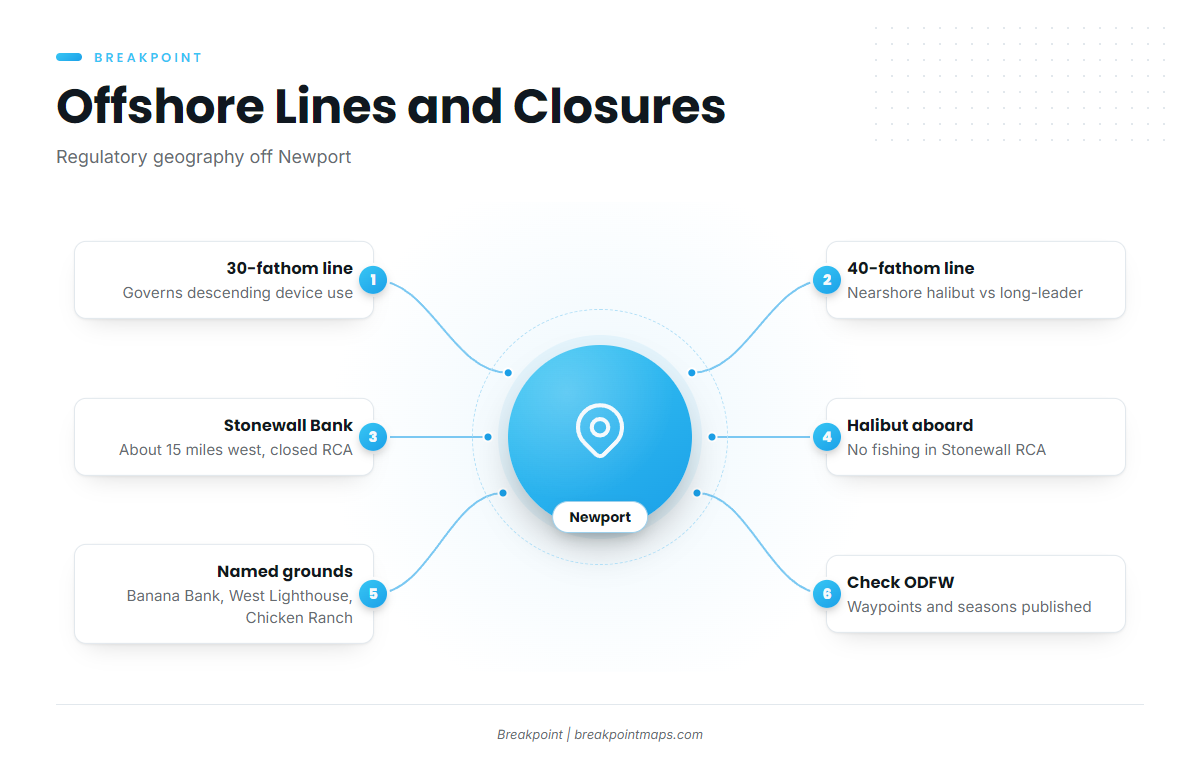
The named grounds come from ODFW’s Newport halibut map: Banana Bank, West Lighthouse, North Rock Pile, Chicken Ranch and East Chicken Ranch. The map names the grounds but says nothing about what is on them on a given day.
Two depth lines shape the rules here. The 30-fathom line governs descending device use, and the 40-fathom line separates the nearshore halibut fishery from the offshore long-leader fishery. ODFW publishes waypoints for both.
The Stonewall Bank Yelloweye Rockfish Conservation Area, about 15 miles west, is closed to bottomfish, long-leader and Pacific halibut fishing. A vessel with halibut aboard may not fish there. Halibut may be landed only at ports in areas open to retention, wherever they were caught.
Newport lands halibut under the Central Oregon Coast subarea rules, the same subarea as Depoe Bay to the north and Winchester Bay to the south. Species detail is in the Pacific halibut guide.
Carry a working descending device whenever you fish for or hold bottomfish, halibut or flatfish. Check ODFW before fishing.
Winter
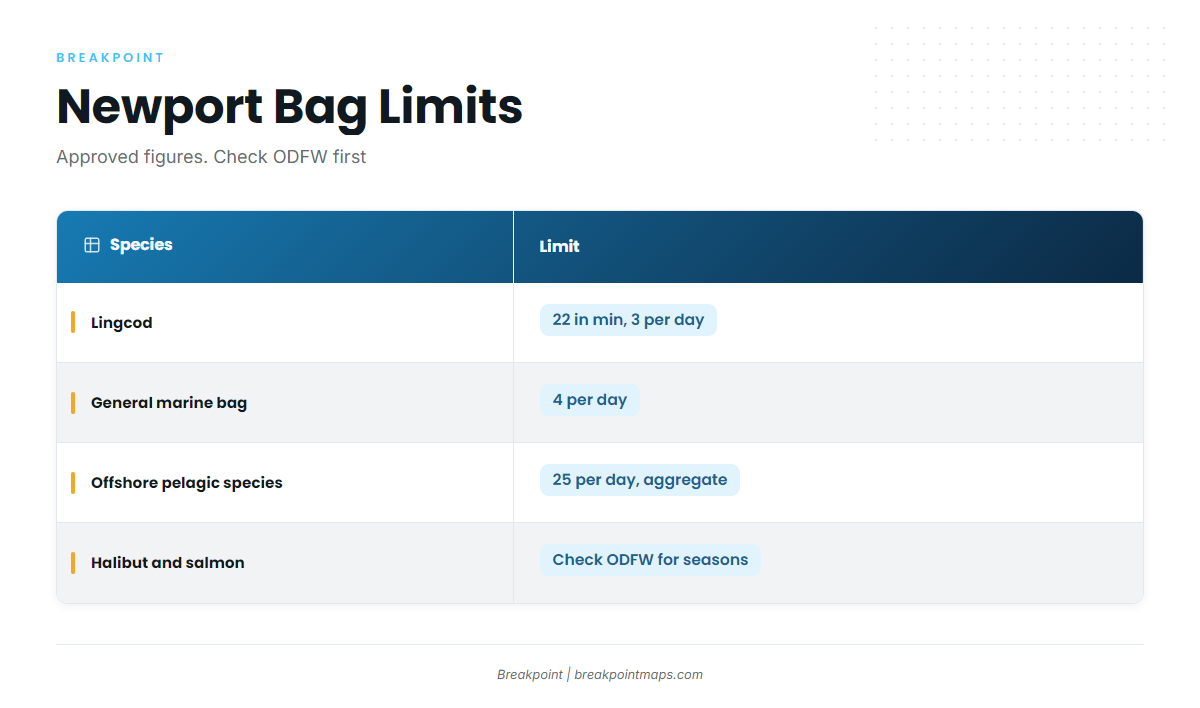
Rockfish and lingcod carry the season, with Dungeness crab alongside. Lingcod are 22 inches minimum and 3 per day. Rockfish fall under the general marine bag of 4, which can be cut in-season when black rockfish catch nears its cap. Check ODFW before fishing, and check the bar before you commit to the crossing.
Spring
Pacific halibut open in the nearshore and all-depth fisheries, with the 40-fathom line marking the nearshore boundary. Salmon (all species except coho), rockfish, lingcod and crab round out the list. Halibut and salmon seasons are quota-driven and set each year, so check ODFW for open days. Stonewall stays off-limits with halibut aboard.
Summer
Summer adds coho to the salmon mix and brings flatfish such as sanddabs and petrale sole, along with halibut, bottomfish and crab. It is also when albacore arrive. Albacore follow warm water and temperature breaks, and the Pacific Northwest albacore guide covers how that plays out.
Look for the break on the OBS SST and Chlorophyll layers before committing fuel to the run. A cloud-blocked satellite pass leaves gaps, and chart layers are not for navigation. Offshore pelagic species are 25 per angler per day in aggregate. Check ODFW before fishing.
Autumn
Albacore persist into early autumn, and albacore off Newport has its own guide. Chinook and coho, halibut while quota remains, flatfish, bottomfish and Dungeness crab all stay in play. Check ODFW for remaining halibut quota and salmon dates. Plan the return crossing around the tide, since the entrance may look different on the way home than it did in the morning.