



About South Padre Island
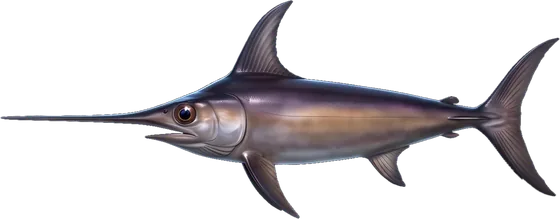
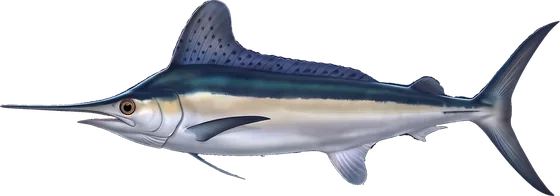
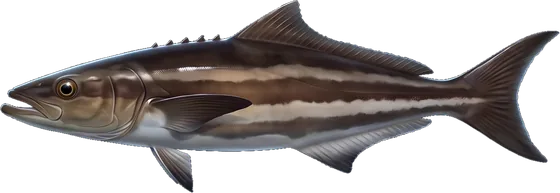
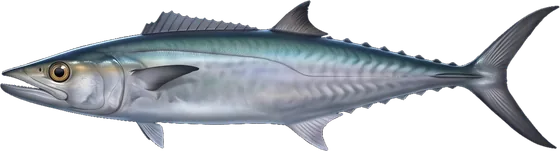
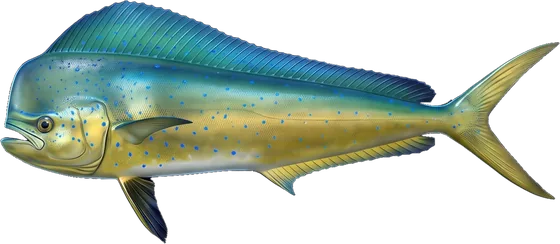
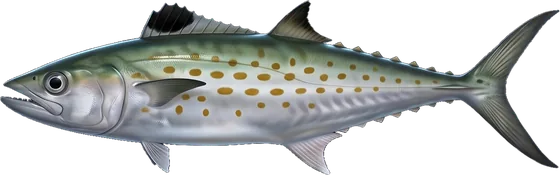
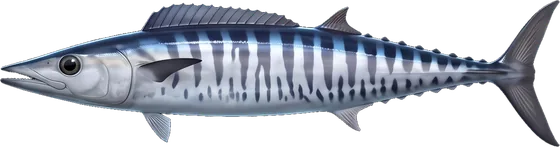
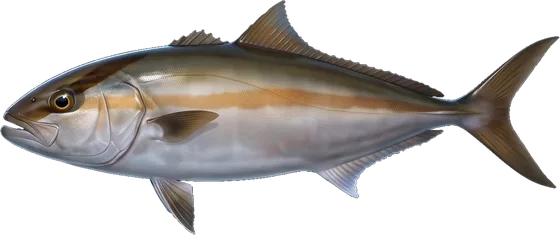
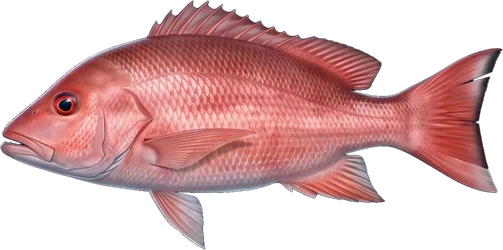
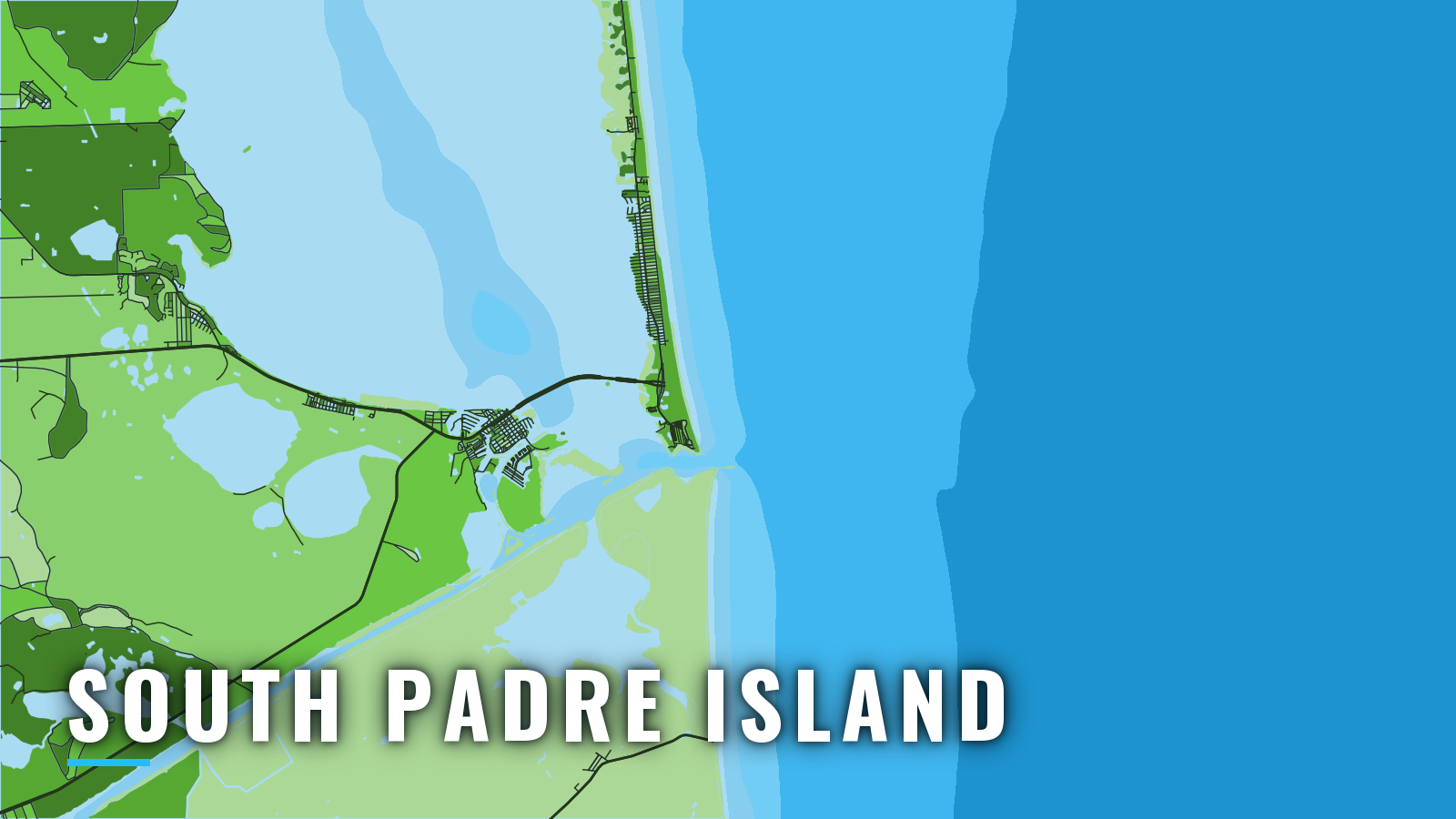
South Padre Island and Port Isabel sit on the lower Laguna Madre. Boats reach the Gulf through Brazos Santiago Pass, the jettied pass between the south end of Padre Island and Brazos Island, which opens to the western Gulf. The port fishes year-round, and the calendar shifts between bottom fish, nearshore kings and blue-water pelagics. Anglers here target red snapper, king mackerel, cobia, amberjack, dorado, wahoo, sailfish, blue and white marlin, and tuna. Texas size, bag and season rules are on our Texas page. State waters run to 9 nautical miles, and federal rules apply beyond.
Access and navigation
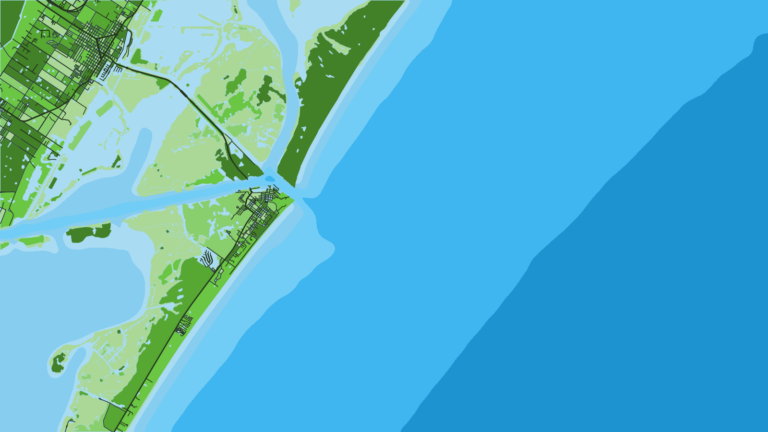
Every boat out of South Padre Island and Port Isabel uses one Gulf entrance, Brazos Santiago Pass. Chart layers are not for navigation; use official charts.
Launching and berthing
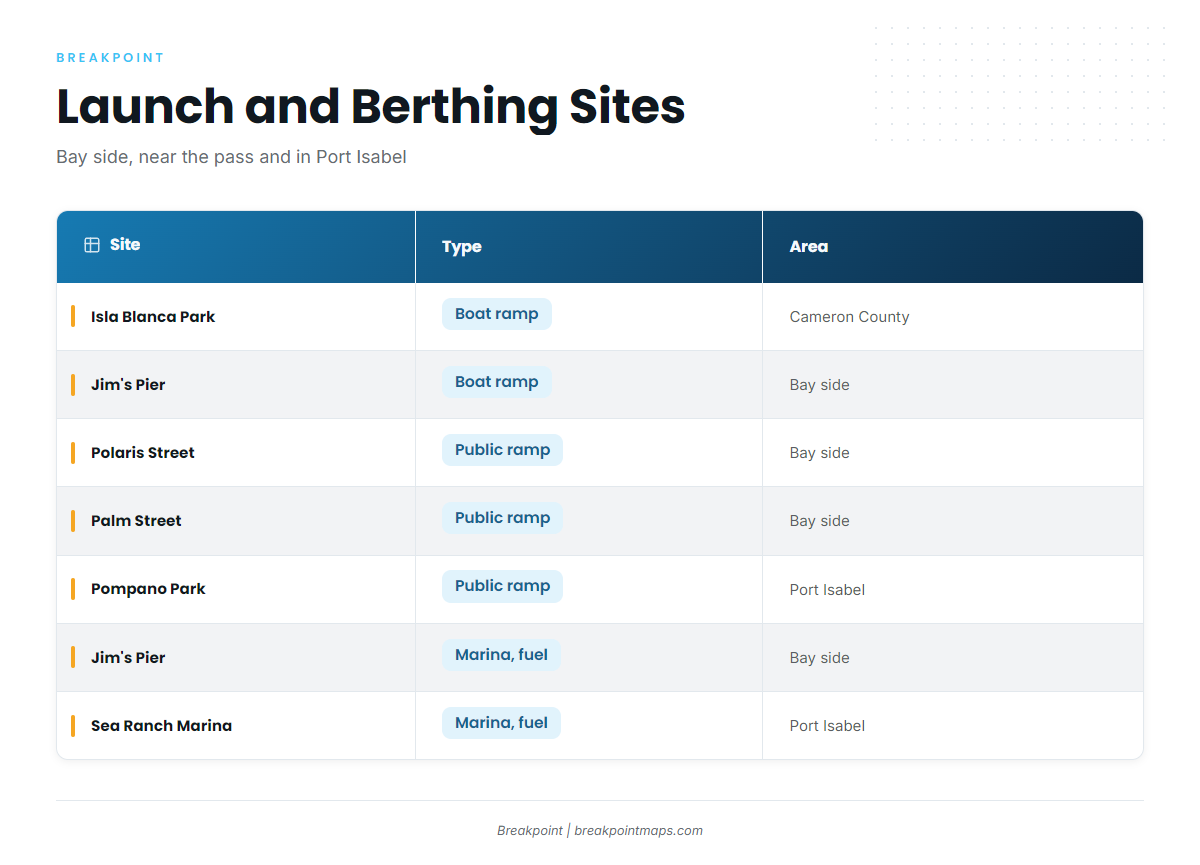
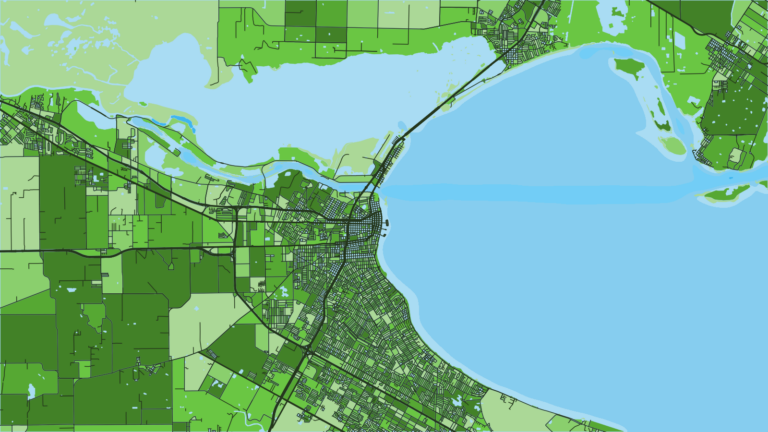
Launch and berthing sites sit on the bay side near the pass and in Port Isabel:
- Isla Blanca Park Boat Ramp (Cameron County)
- Jim’s Pier boat ramp
- Polaris Street Public Boat Ramp
- Palm Street Public Boat Ramp
- Pompano Park Public Boat Ramp, Port Isabel
- Jim’s Pier marina, fuel listed
- Sea Ranch Marina, fuel listed
Brazos Santiago Pass
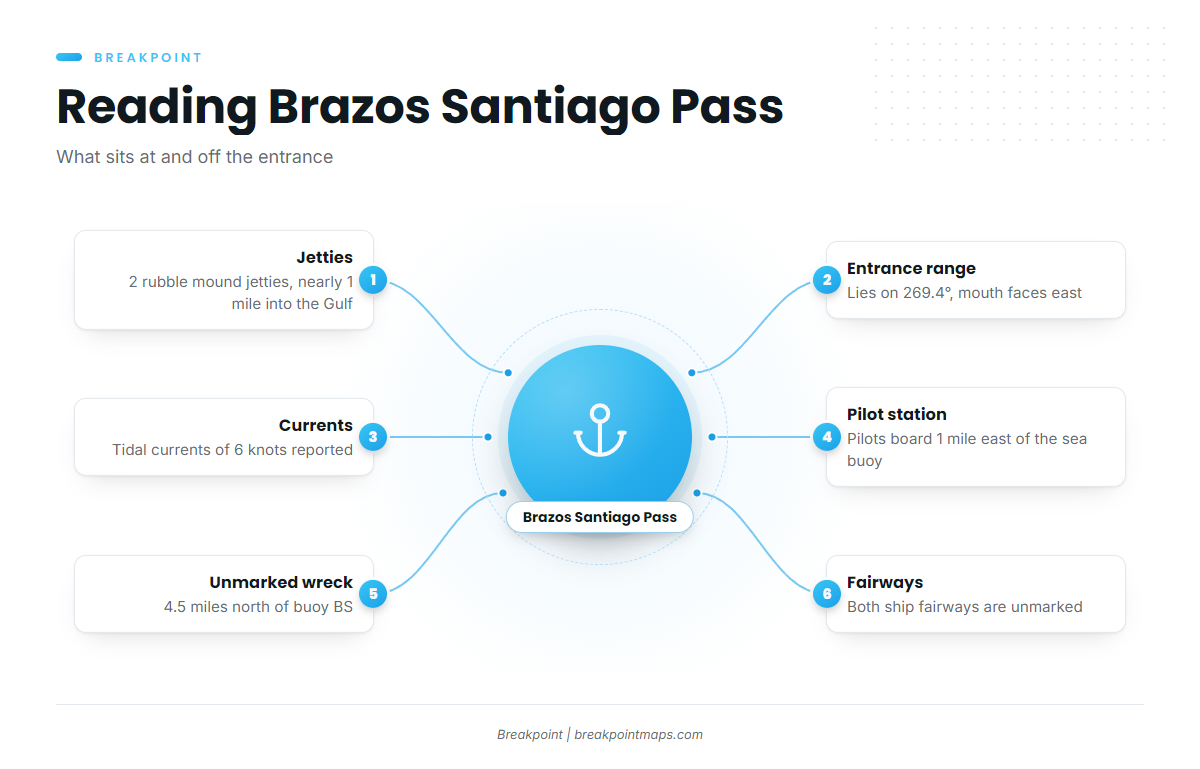
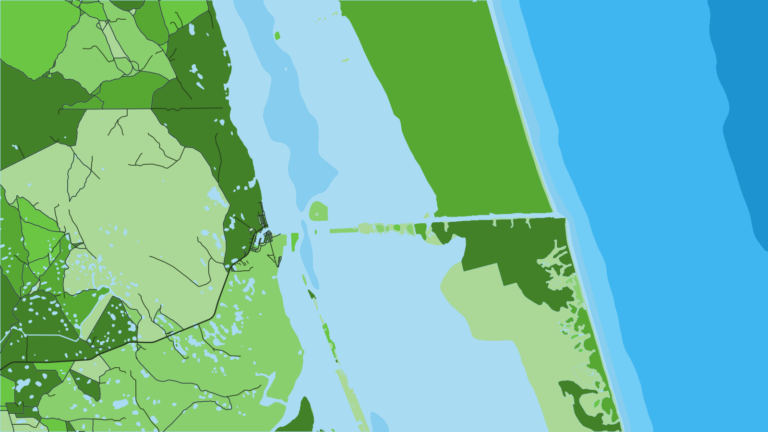
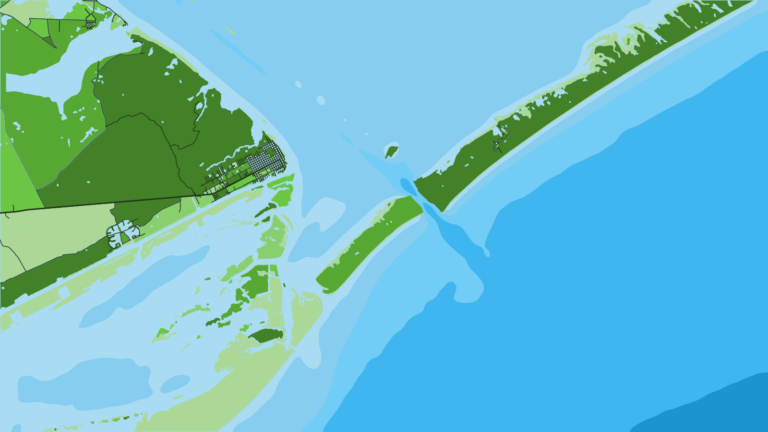
The pass is dredged between two rubble mound jetties that extend nearly 1 mile into the Gulf. The entrance range lies on 269.4°, so the mouth faces east. NOAA Coast Pilot 5 is the reference for everything in this section.
An outgoing tide against an onshore or east-quadrant wind tends to stand the seas up at the mouth. Southeasterlies predominate on this coast, but most winds over 20 knots come from the north and northeast, and a norther can build seas offshore quickly. Tidal currents of 6 knots have been reported near the pass and Port Isabel.
The pass is also the approach for Port Isabel and the Port of Brownsville. Ships use the Brazos Santiago Pass Safety Fairway or the Coastwise Safety Fairway, and both fairways are unmarked. Pilots board 1 mile east of the sea buoy, so expect ships slowing and maneuvering there.
An unmarked wreck lies 4.5 miles north of Entrance Lighted Whistle Buoy BS.
South Bay and the Gulf off Boca Chica Beach sit inside safety zones that are enforced during rocket launches. Check the notices before you run south of the pass.
Routes to the pass
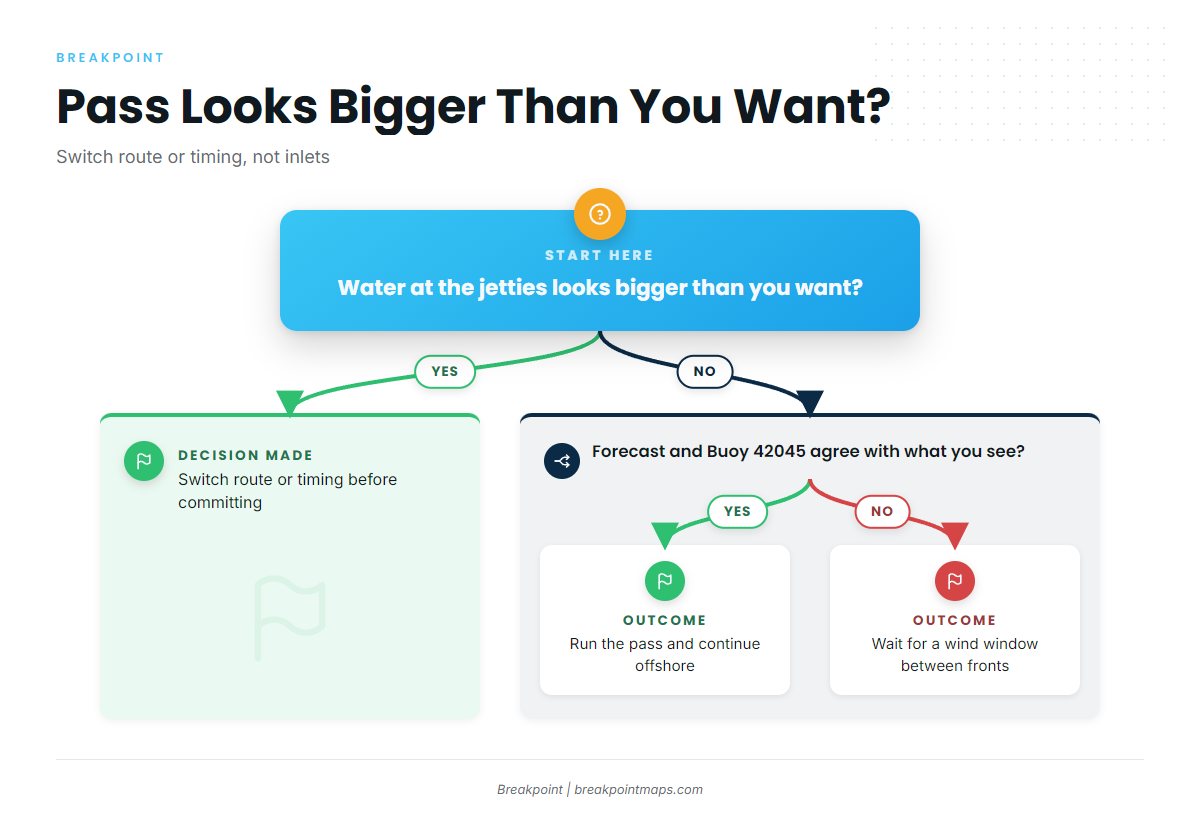
South Padre has one Gulf entrance, so the choice is between routes to it and when you run it. There is no second inlet.
You can reach the pass by the marked, deep Brownsville Ship Channel or by the Gulf Intracoastal Waterway and Laguna Madre route. Currents can set strongly across the ICW near mile 665.1W, especially on a flood tide with a strong southeast wind.
Timing also matters. Running the pass at a different tide stage, or waiting for the wind window between fronts, can change what you meet at the mouth.
Read conditions from two sources:
- The NWS Brownsville coastal waters forecast for the Lower Texas Coast
- NDBC Buoy 42045 (TABS Buoy K), a single offshore point that doesn’t read conditions at the jetty tips
The buoy cannot see the entrance. On arrival, look at the water at the jetties, then check the forecast and Buoy 42045. If the water looks bigger than you want, change your route or your timing.
Fishing conditions
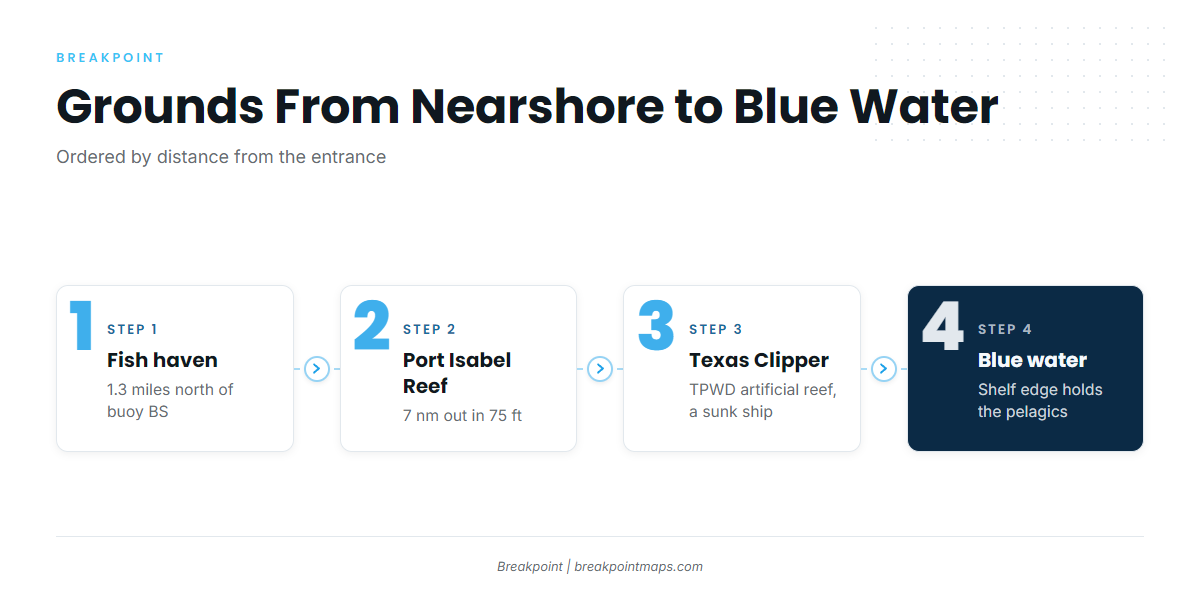
Port Isabel Reef sits 7 nautical miles from the entrance in 75 ft. The Texas Clipper is a TPWD artificial reef, a sunk ship. A fish haven lies 1.3 miles north of buoy BS. King mackerel work the reefs and nearshore structure. Beyond the reefs, blue water and the shelf edge hold the pelagics. OBS SST and Chart Contours show where the edges and structure sit.
| Ground | Type | Notes |
|---|---|---|
| Port Isabel Reef | Reef | 7 nautical miles from the entrance, 75 ft |
| Texas Clipper | Wreck (TPWD artificial reef) | Sunk ship |
| Fish haven north of buoy BS | Fish haven | 1.3 miles north of the buoy |
| Blue water and shelf edge | Open water | Pelagics |
Winter
Northers drive the calendar. Offshore seas of 8 ft or more occur 10 to 15 percent of the time from November through March, so fish the windows between fronts. State-water red snapper are open year-round per TPWD; check the TPWD red snapper rules before fishing.
Spring
Southeast wind prevails. Tarpon and sandbar shark arrive along the coast.
Summer
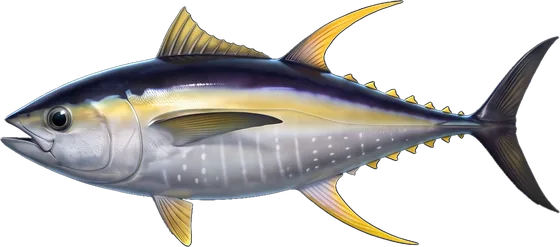
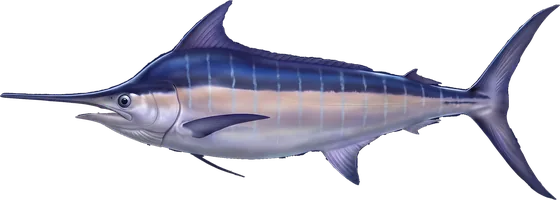
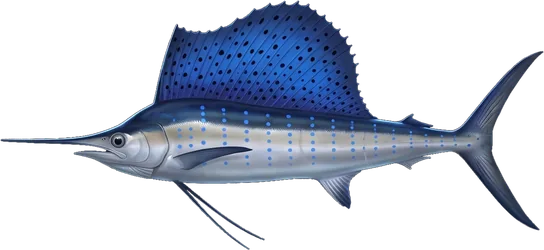
Billfish, tuna and red snapper are the summer targets at South Padre. Sargassum edges concentrate pelagics. Sailfish and blue marlin both show up in the blue water. For regional detail, see Gulf blue marlin patterns. White marlin are part of the same picture, and white marlin in the Gulf covers their local pattern.
Autumn
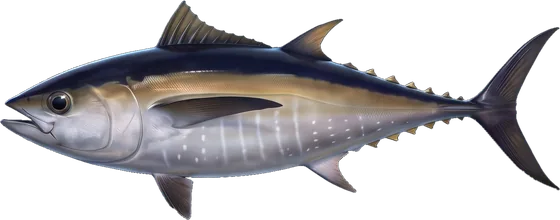
Wahoo, dorado, blackfin tuna, red snapper and tarpon are the autumn species. Red snapper and tarpon carry over from summer, while wahoo, dorado and blackfin tuna take over the blue-water program.