



About Corpus Christi
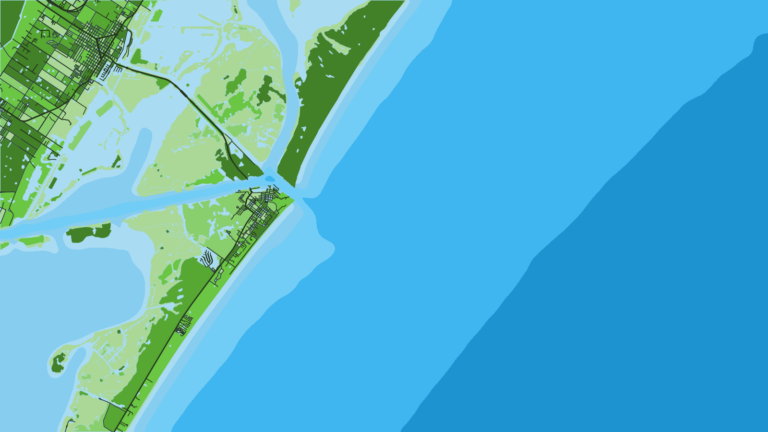
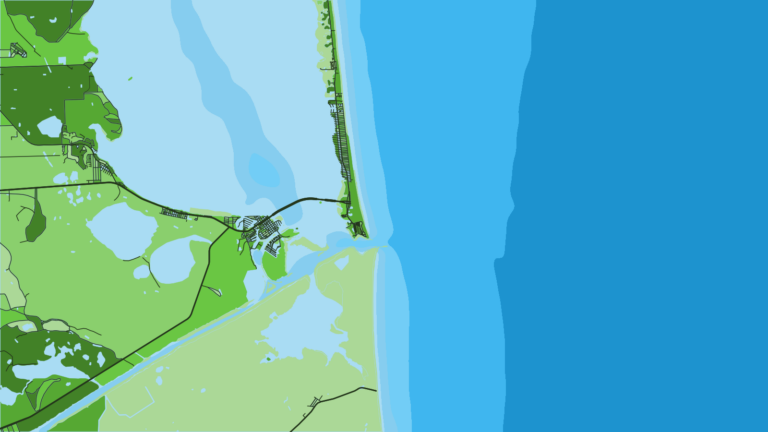
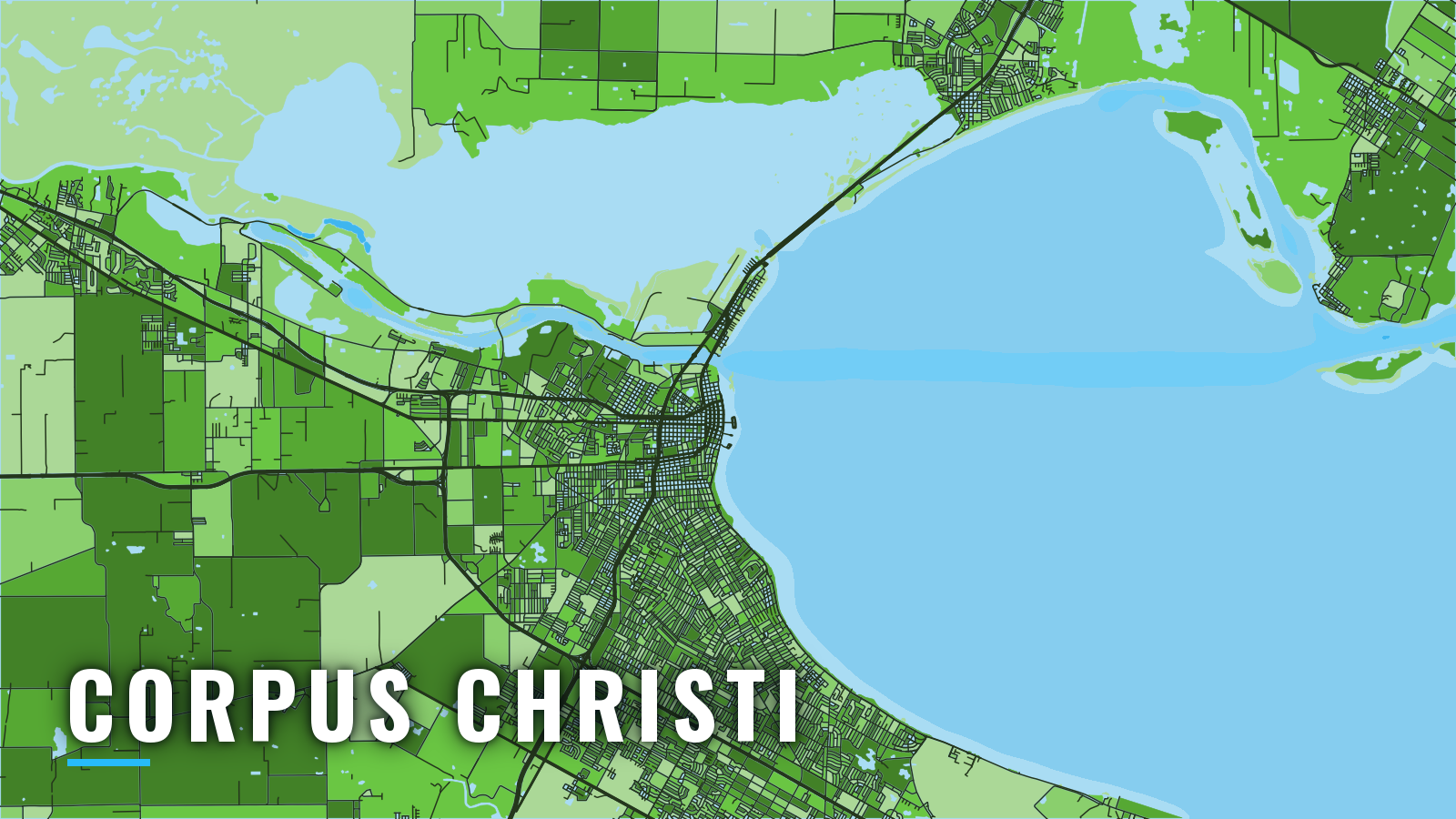
Boats launching on the Padre Island side reach the Gulf of America (Gulf of Mexico) through Packery Channel, a jettied cut between Padre and Mustang Islands. Packery also links Corpus Christi Bay and the Upper Laguna Madre. Aransas Pass, to the north, is the area’s other Gulf entrance.
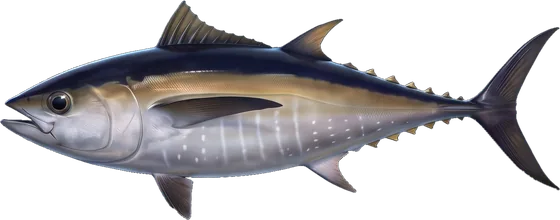
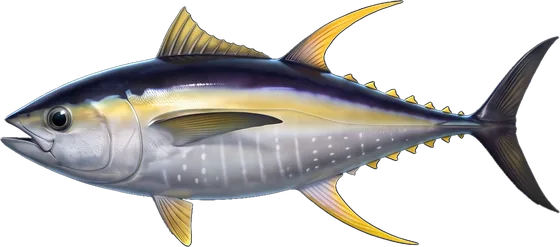
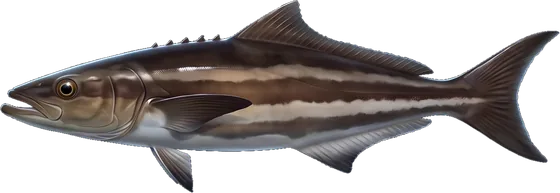
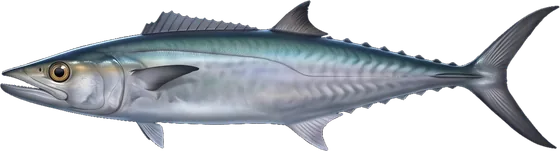
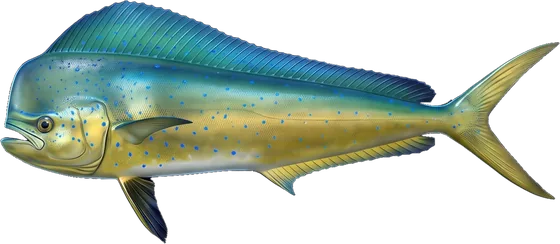
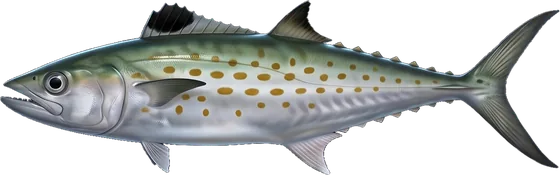
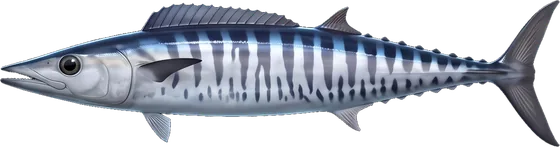
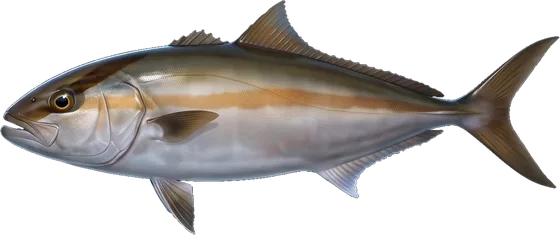
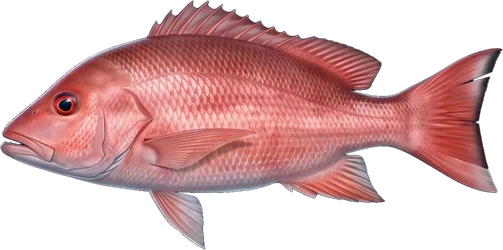
Offshore fishing out of Corpus Christi runs year-round, and summer carries the widest species list on the western Gulf. Anglers target king mackerel, cobia (ling), red snapper, amberjack, dorado, wahoo and tuna. TPWD sets the rules in state waters out to 9 nautical miles, federal waters run beyond that, and fish landed in Texas must meet Texas limits. Check Texas state and federal rules before you fish, since red snapper rules change by season and quota.
Access and navigation
Padre-side launches use Packery Channel as the short route to the Gulf. Aransas Pass is the alternative to the north.
Ramps and marinas
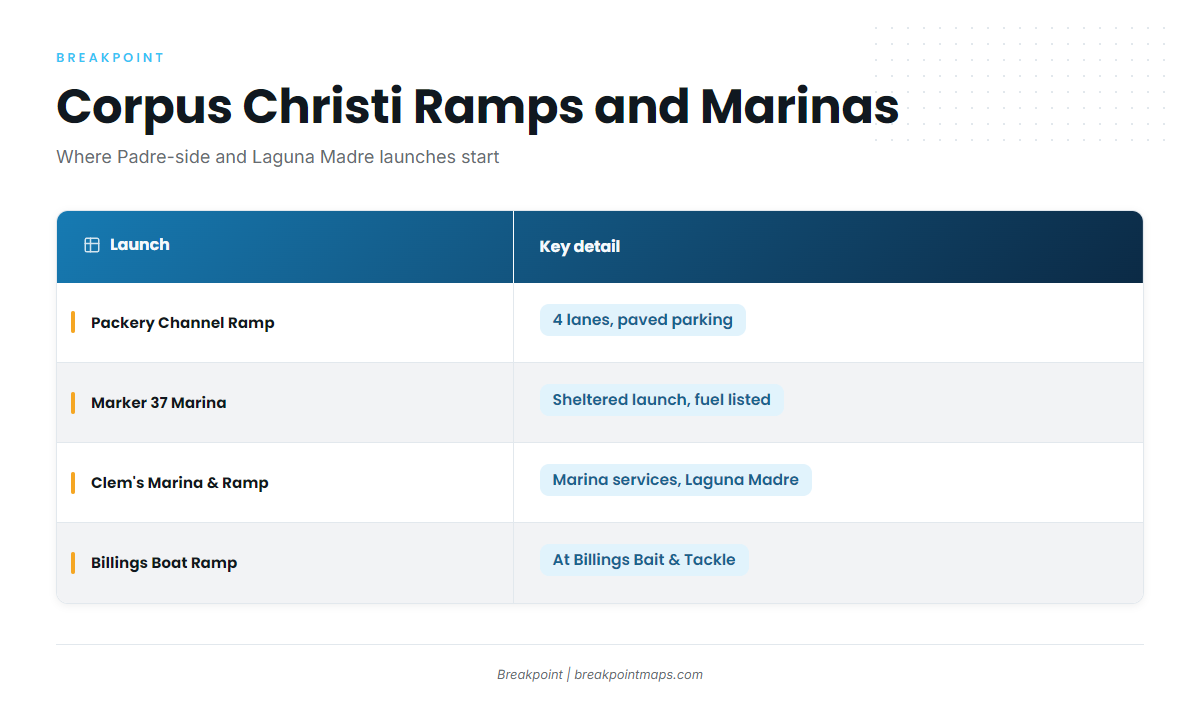
- Packery Channel Boat Ramp – four lanes, paved parking, closest launch to the Gulf.
- Marker 37 Marina and Boat Ramp – under the Padre end of the JFK Causeway, sheltered launch, fuel listed.
- Clem’s Marina & Boat Ramp – ramp and marina services on the Laguna Madre.
- Billings Boat Ramp – ramp at Billings Bait & Tackle.
Packery Channel
Packery is a short, jettied cut, and the ebb can run hard. Monitoring of Packery Channel reported maximum ebb current often above 1 m/s, about 2 knots. An ebb near 2 knots against an easterly can stand the water up at the mouth. The same study describes the inlet as navigable for shallow-draft recreational boats. Shoals and markers move, and the Coast Pilot points to Notices to Mariners and current charts for depths.
Aransas Pass
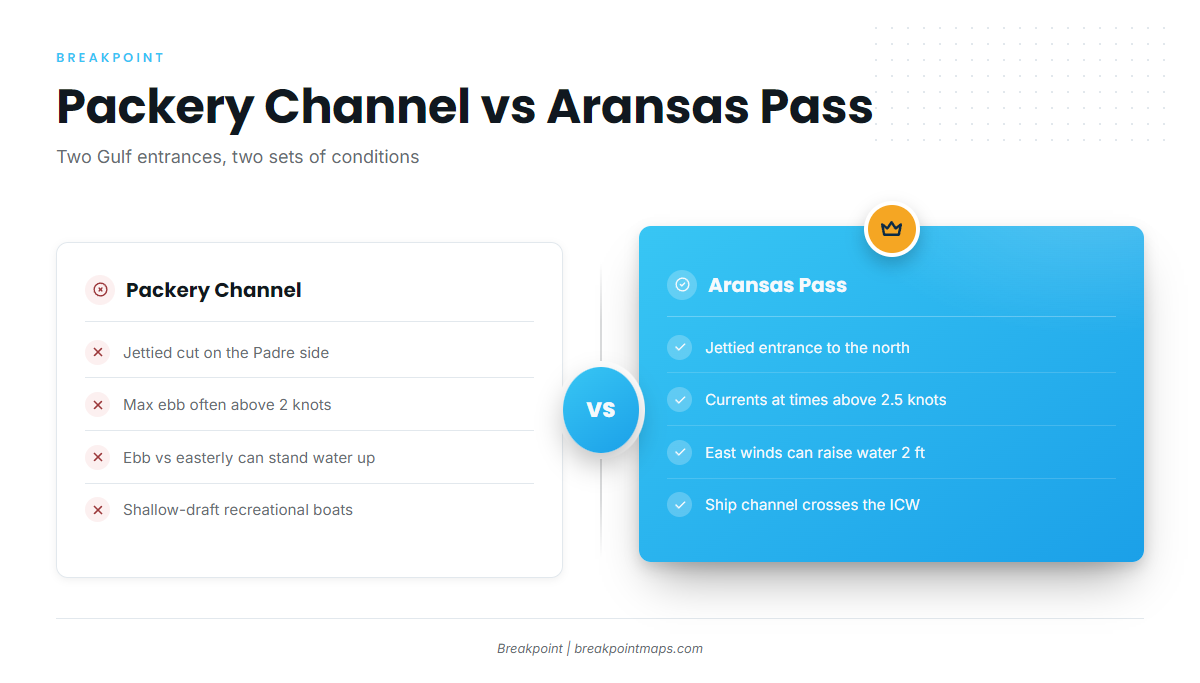
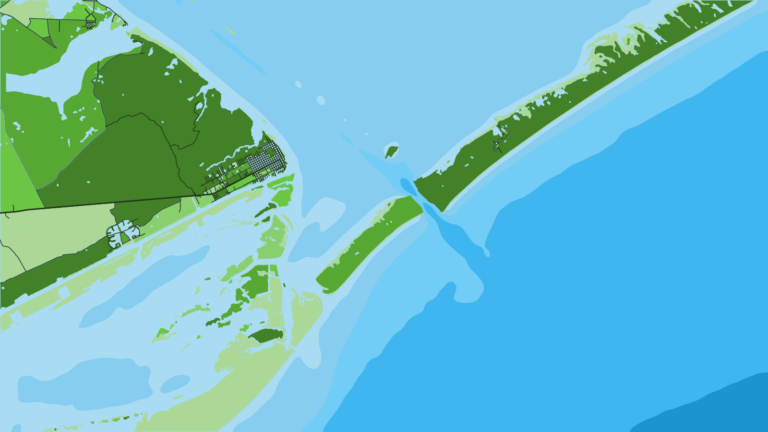
Aransas Pass is the jettied alternative to the north and the deep-draft entrance by way of the Corpus Christi Ship Channel. The NOAA Coast Pilot 5, Chapter 11 gives these figures:
- Currents at times run above 2.5 knots.
- Winds from any east direction can raise the water inside by as much as 2 feet.
- A sudden south-to-north wind shift disturbs the bar for a short time.
- Northerlies and northeasterlies account for most winds over 20 knots.
The approach has partially divided parallel fairways. The Coast Pilot recommends the northeast lane at 298° inbound and the southwest lane at 118° outbound. These lanes are not a traffic separation scheme.
The Coast Guard has reported collisions, groundings and close-quarters passing where the ship channel crosses the Intracoastal Waterway. It asks for a SECURITE call on VHF-FM channels 12 and 13 before crossing.
Laguna Madre shallows
The Coast Pilot gives Upper Laguna Madre depths of 0 to 9 feet, with reefs and mudflats throughout. The Intracoastal Waterway runs through it, which matters if you launch from Clem’s.
Before you cross the bar
Check the water and the NWS Corpus Christi marine zones when you arrive. GMZ250 covers Baffin Bay to Port Aransas out to 20 NM. GMZ270 covers 20 to 60 NM. A forecast can miss conditions at the cut itself, so if it looks bigger than you want, use the other pass.
Fishing conditions
The named grounds mix TPWD artificial reefs, rocks and other structure, and red snapper can hold on much of it.
- TPWD lists Corpus Christi Reef as a nearshore site in 70 feet.
- Lonestar Reef
- Boatman’s Reef
- Aransas Liberty Ships
- Stand Pipes
- Hosp Rocks
- Big Southern
- Ranzel’s Rock
The TPWD Interactive Reef Locator shows where each one sits. Amberjack can stack on the deeper structure. In the Breakpoint app, you can view these grounds against OBS SST, Chlorophyll and Chart Contours. Chart layers are not for navigation.
Winter
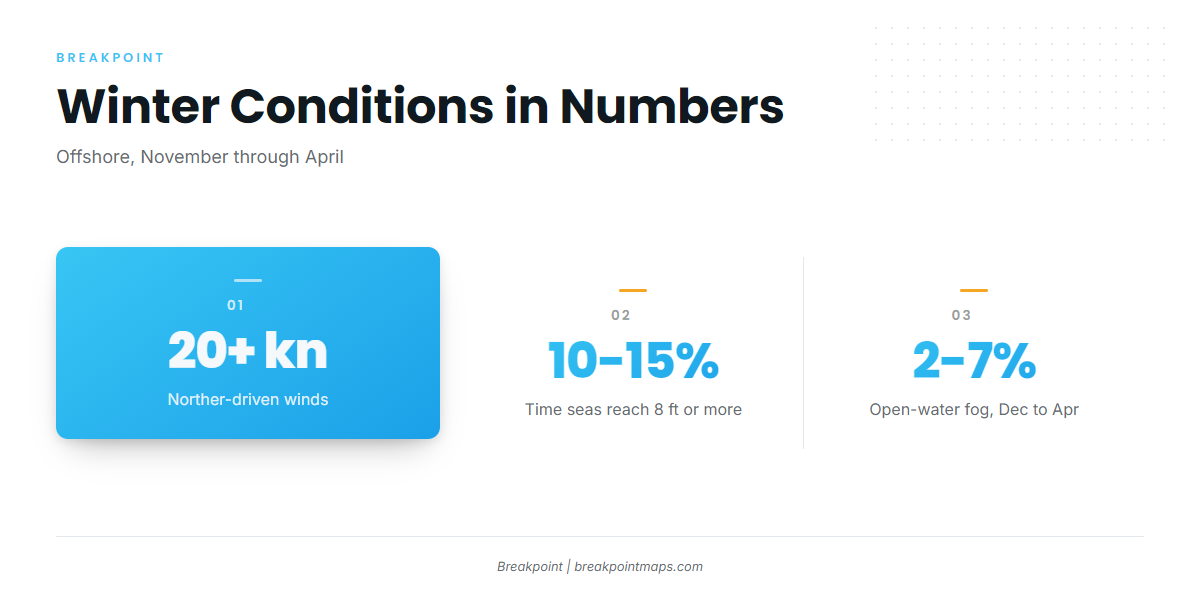
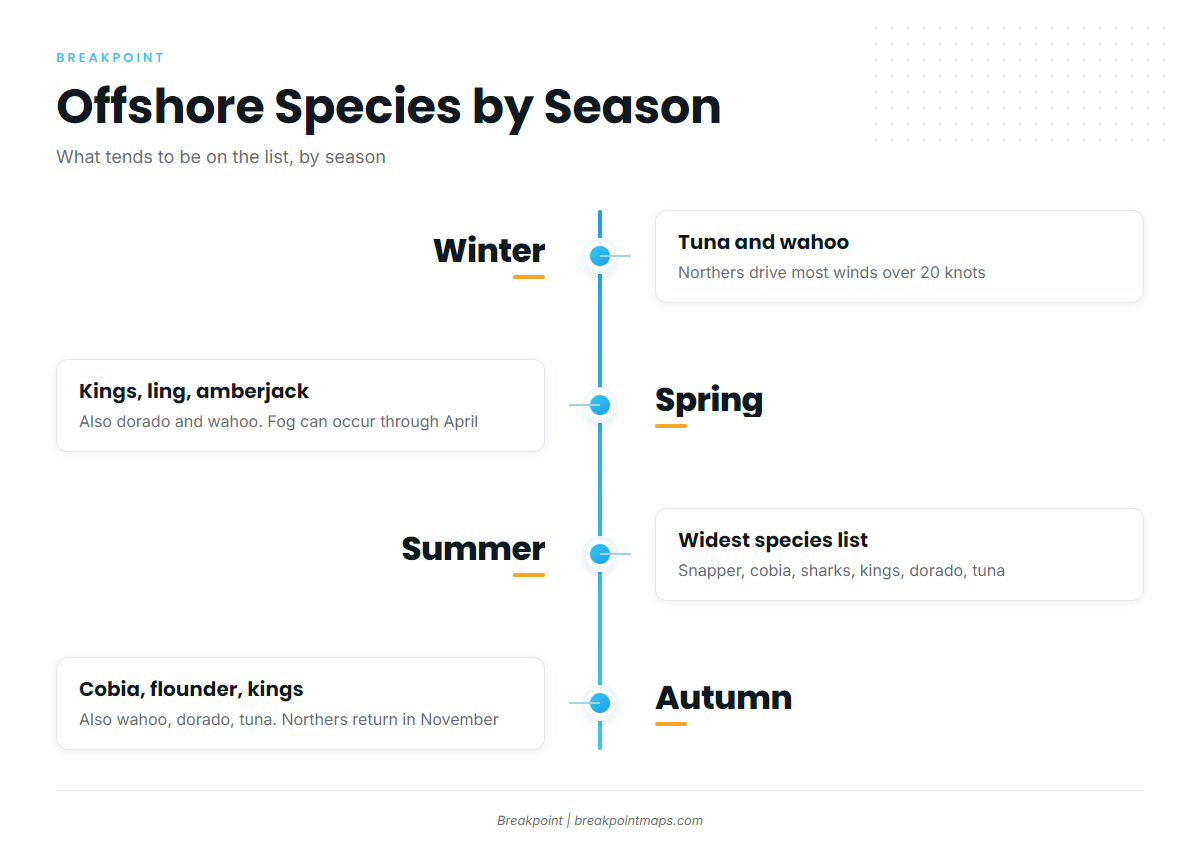
Winter fishing centers on tuna and wahoo. Northerlies and northeasterlies account for most winds over 20 knots. Offshore seas of 8 feet or more occur 10 to 15 percent of the time from November through March. Fog occurs 2 to 7 percent of the time in open water from December through April.
Spring
Cobia, king mackerel, amberjack, dorado and wahoo are the spring list. Look for kings on nearshore structure in the Gulf and ling working Gulf structure. Fog can still occur through April.
Summer
Summer carries the widest list: red snapper, cobia, sharks, king mackerel, dorado, amberjack, tuna and wahoo. For red snapper season details, go to TPWD and the federal rules rather than relying on any figure here. Blue-water tuna and wahoo are the long-run targets.
Autumn
Cobia, flounder, king mackerel, wahoo, dorado and tuna make up the autumn list. Northers return from November, with seas of 8 feet or more 10 to 15 percent of the time through March.