



About Boca Grande
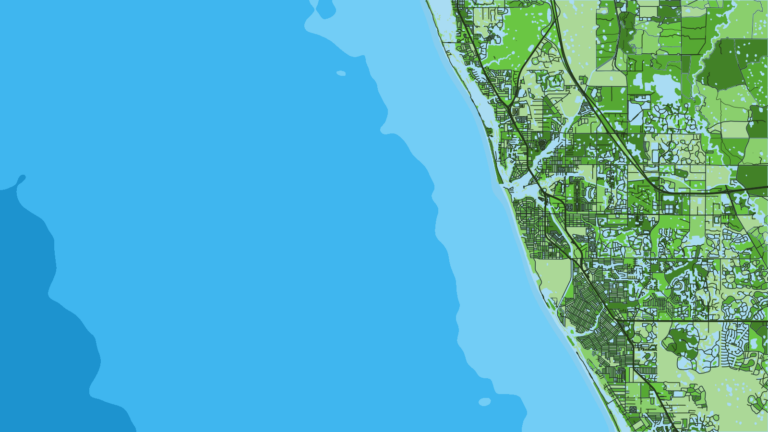
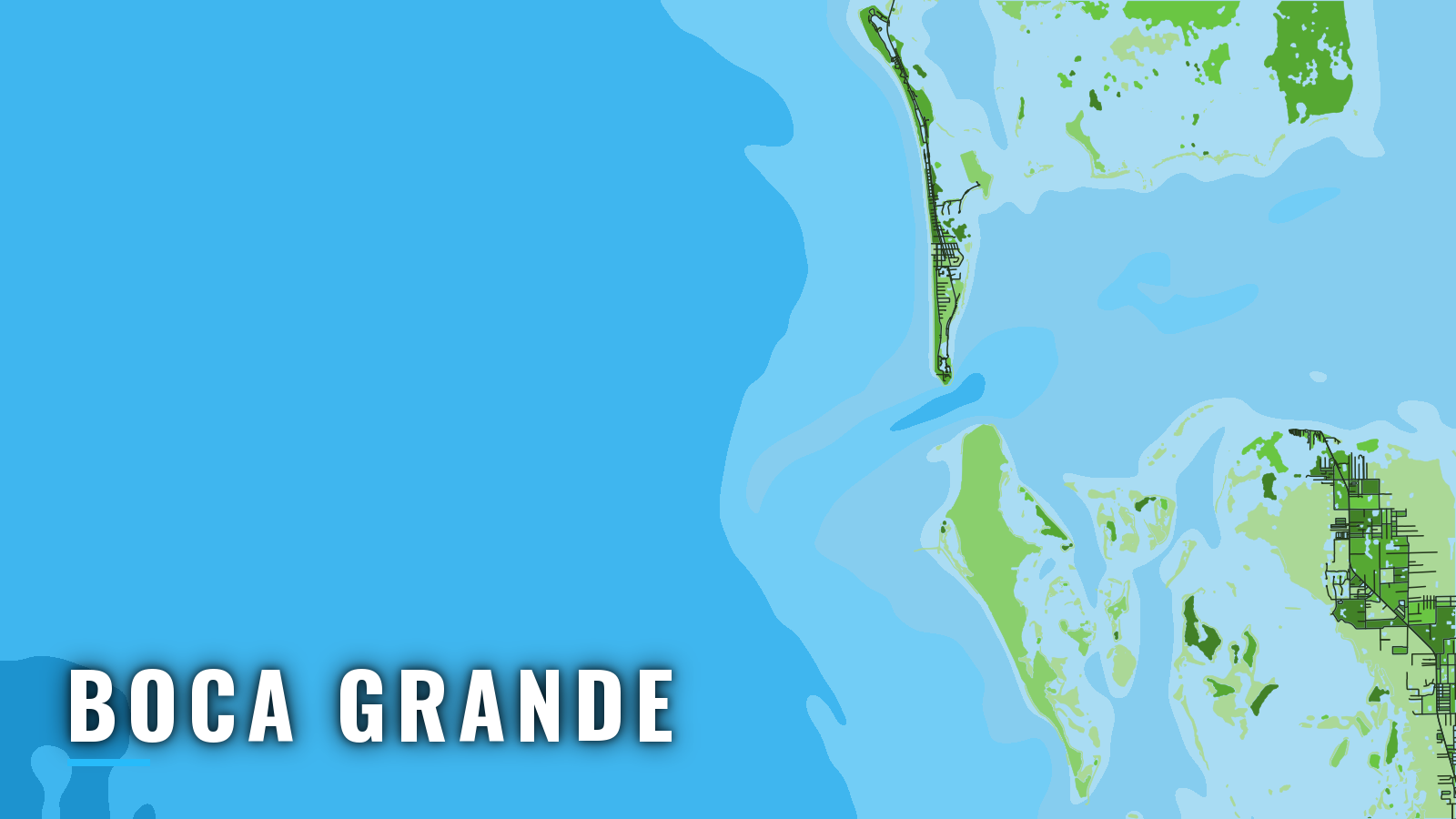
Boca Grande sits at the south end of Gasparilla Island, where Boca Grande Pass carries Charlotte Harbor into the Gulf opposite Cayo Costa. Boaters here can fish inshore, in the pass, or offshore. The island is on Southwest Florida‘s Gulf coast.
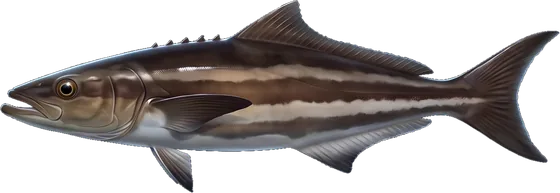
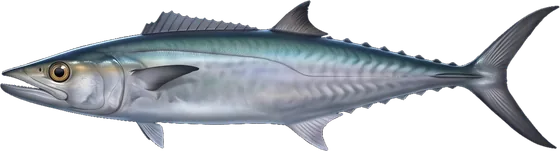
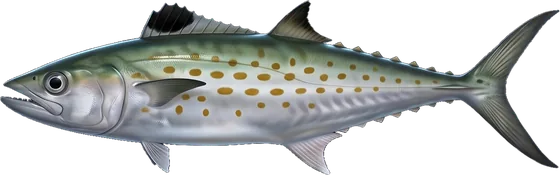
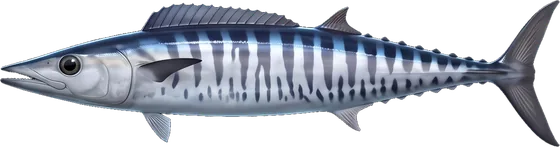
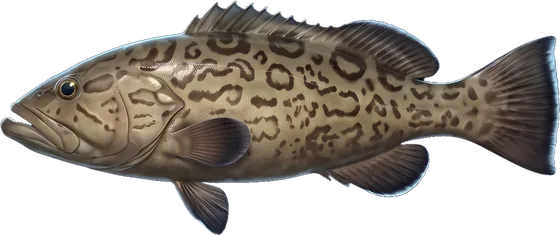
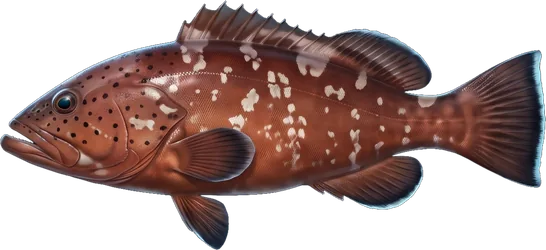
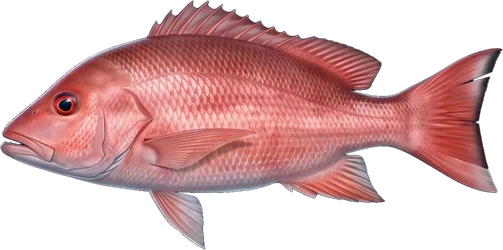
Fishing runs year-round, with the tarpon run in the pass anchoring spring and summer. Anglers target tarpon in the pass, snook, redfish and seatrout inshore, king mackerel and cobia nearshore, and gag grouper, red grouper, red snapper and mangrove snapper on the reefs and hard bottom of the eastern Gulf shelf.
Boats launch and berth at Placida and on Gasparilla Island. This page covers where to launch, how the pass behaves, and where and when to look.
Access and navigation
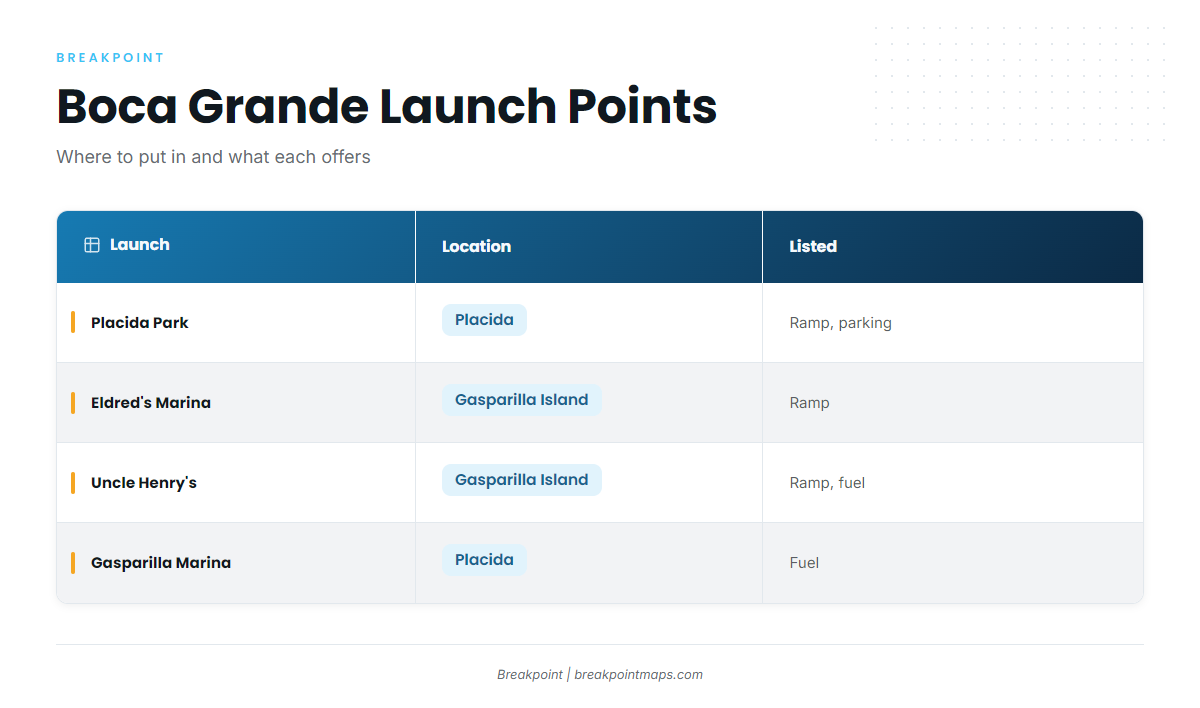
These ramps and marinas serve boats headed for the pass and the Gulf:
- Placida ParkCharlotte County ramp with parking for vehicles and trailers.
- Eldred’s Marinaramp.
- Uncle Henry’s Marinaramp and fuel listed, on Gasparilla Island.
- Gasparilla Marinafuel listed, in Placida.
Facilities in the area have changed since the hurricanes, so confirm hours, fuel and ramp status with the operator before you tow.
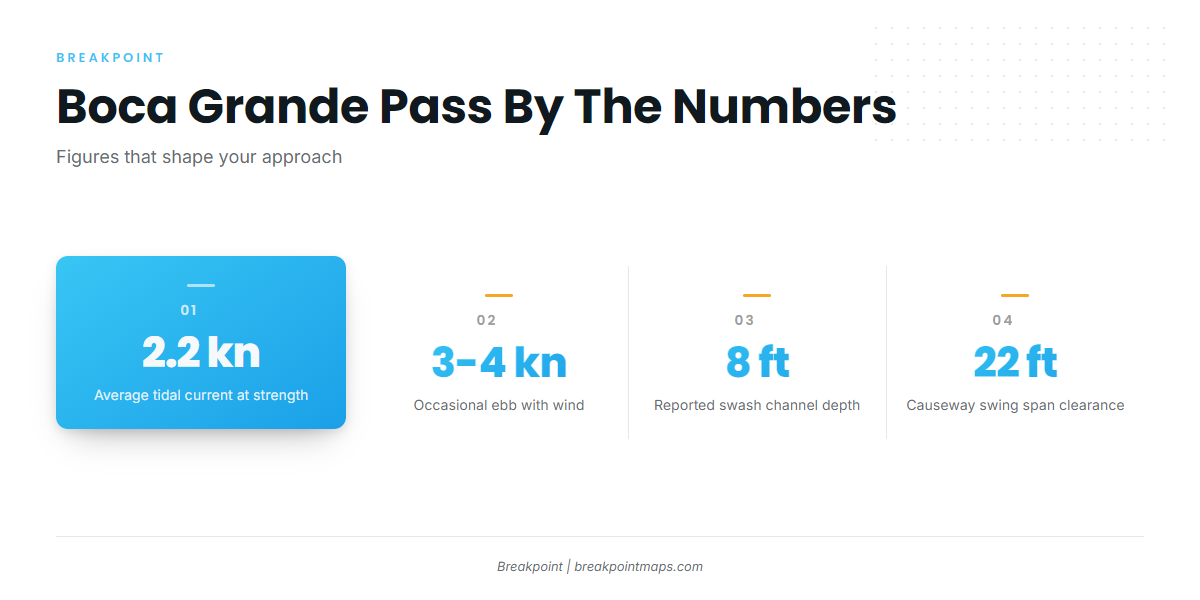
All of Charlotte Harbor drains through one deep pass between Gasparilla Island and Cayo Costa. According to the NOAA Coast Pilot tidal figures, tidal current in the entrance averages about 2.2 knots at strength, and the ebb can occasionally reach 3 to 4 knots, depending on wind force and direction. When an ebb runs against an onshore wind, steep, short seas can stack up on the outer bar. This tends to happen at the strongest part of the ebb, and the seas can build faster than the wind alone suggests.
A shoal lies along the north side of the channel near the south end of Gasparilla Island. A break in it forms a swash channel with a reported controlling depth of 8 feet. Floating piles have also been reported in the channel and its approaches. Controlling depths are as reported, and bars move after storms.
Gasparilla Pass, between Gasparilla Island and Little Gasparilla Island, is the alternative. It is unmarked and needs local knowledge to find the deepest water. The controlling depth over the bar was reported at 3.5 feet, so it suits shallow-draft boats only.
The Intracoastal Waterway offers an inside route through Gasparilla Sound. The Boca Grande Causeway swing span sits at ICW Mile 34.3, with 22 feet of vertical and 80 feet of horizontal clearance, and the bridgetender monitors VHF channel 9. Check the 22 feet against the height of any T-top, tower or antenna.
On arrival, look at the pass and read the NWS Tampa Bay marine forecast, which covers Englewood to Bonita Beach out 20 NM and 20 to 60 NM, plus Charlotte Harbor. If the water looks bigger than you want, switch approaches or fish inside.
Fishing conditions
Boca Grande Pass is the tarpon ground, and Charlotte Harbor’s outflow carries bait through it. The CCA Phoenix Reef is an artificial reef in 50 feet. Offshore, hard bottom and ledges hold grouper and snapper.
The same pattern of hard bottom and artificial reef continues north toward Venice and south past Fort Myers Beach to Naples.
Before choosing a ground, check Chart Contours for ledge lines and OBS SST or Chlorophyll for edges. Chart layers are not for navigation. In Breakpoint, these layers sit on one map, so you can compare them before you leave the dock.
Gag grouper, red grouper and red snapper seasons change by quota, so check the Florida Fish and Wildlife Conservation Commission before you fish.
Winter
Cold fronts limit offshore windows. Between fronts, snook, redfish and seatrout fill the days inshore. Snook tend to hold in the warmer water of the harbor as fronts pass, and redfish and seatrout follow the same pattern with the tide.
Spring
Tarpon move into Charlotte Harbor once the harbor nears 75 degrees. A mild winter tends to bring them in earlier and a cold one later. Threadfin herring schools arrive around the same time, and king mackerel and cobia show up nearshore.
Summer
Tarpon work the pass, goliath grouper hold on structure, and reef fish fill the offshore bottom. Red snapper and gag are the deeper summer targets, and the quota-driven seasons apply. Afternoon thunderstorms can affect the run home and the pass crossing, so plan the return early.
Autumn
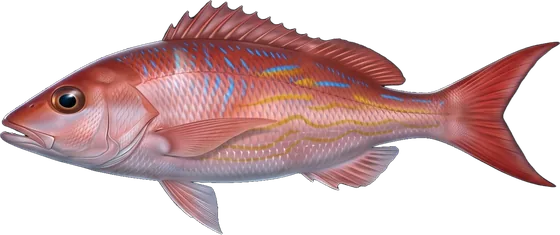
Tarpon thin out, and snook and redfish hold inshore. A mixed snapper bite develops on the reefs, with mangrove, lane and vermilion snapper in the mix.