



About Madeira Beach
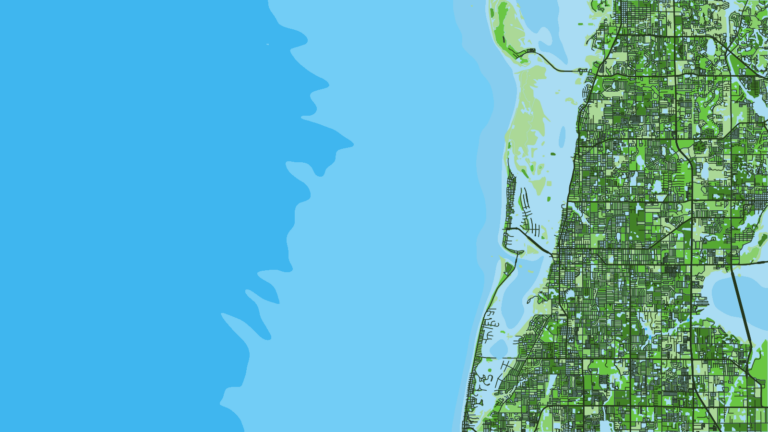
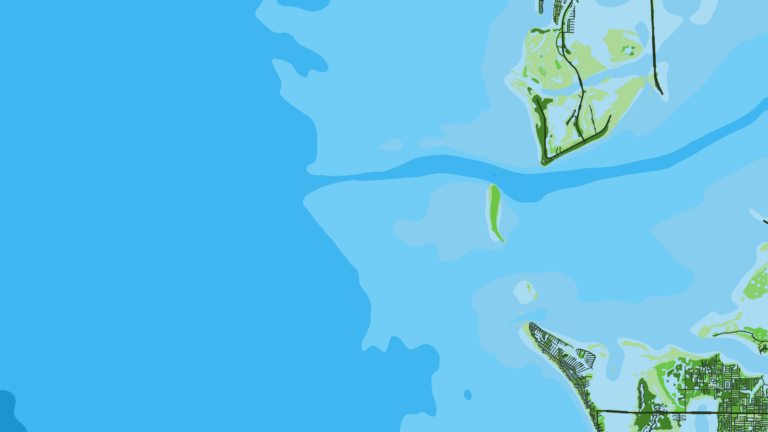
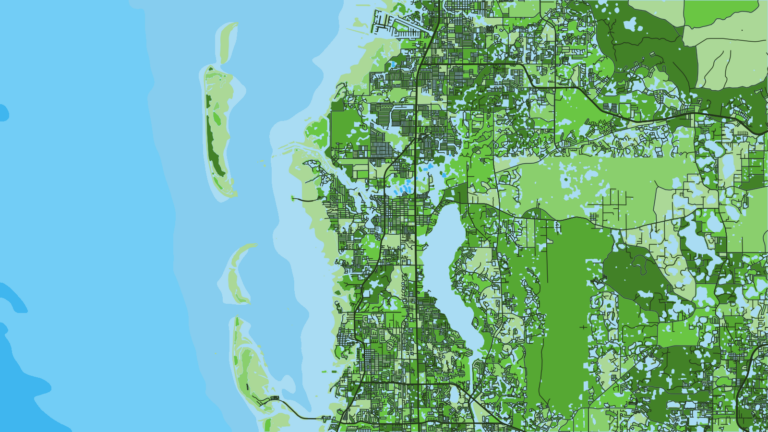
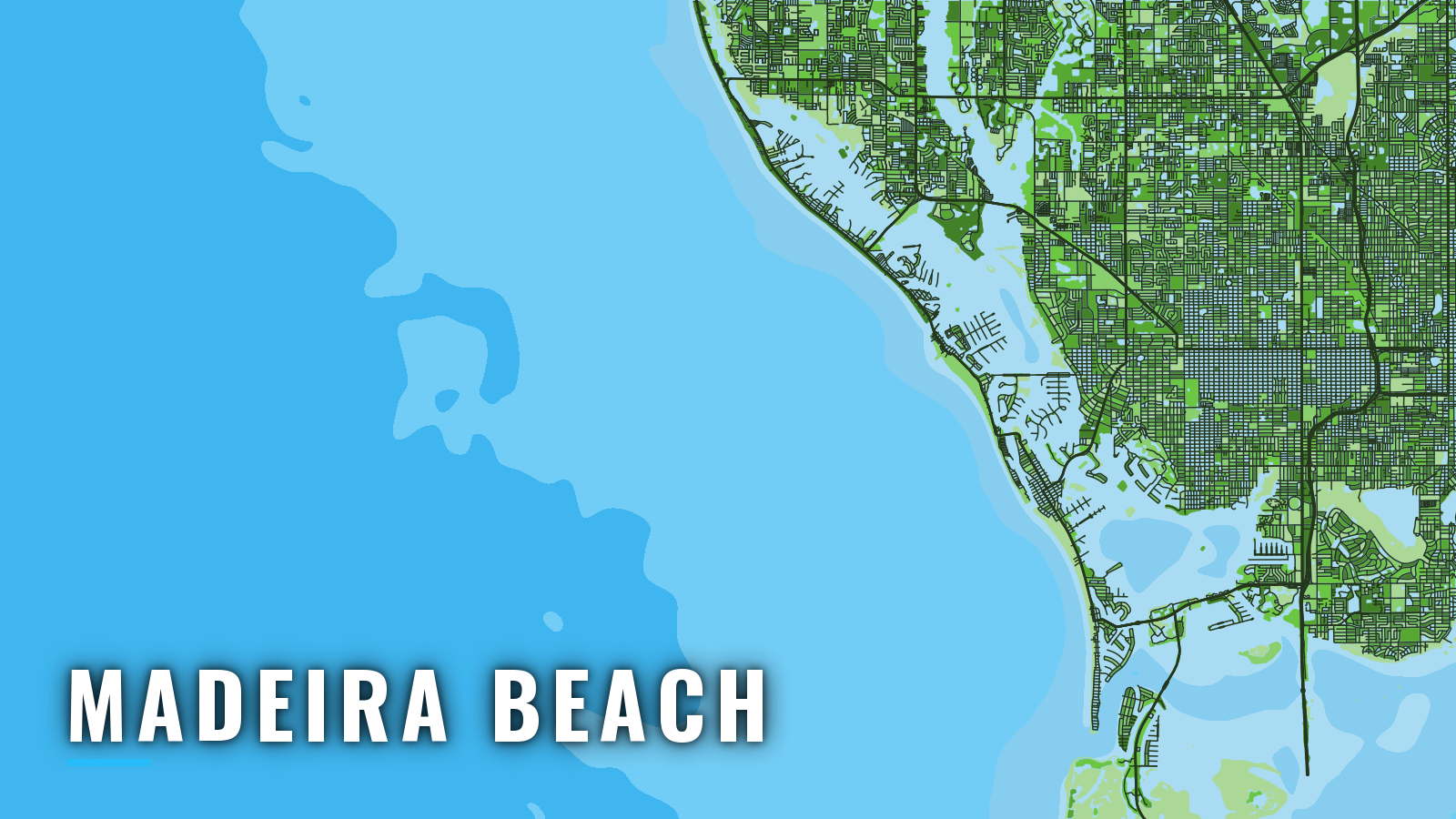
Madeira Beach sits on a Pinellas County barrier island at John’s Pass, the inlet connecting Boca Ciega Bay to the Gulf. It is one of Florida’s Gulf ports, and boats run out of it all year.
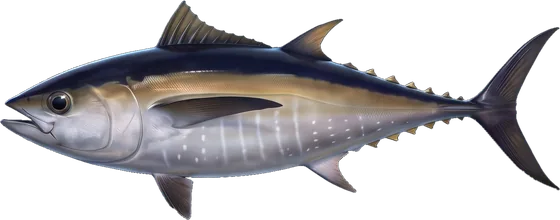
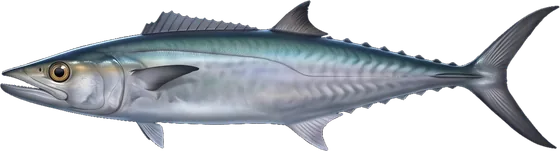
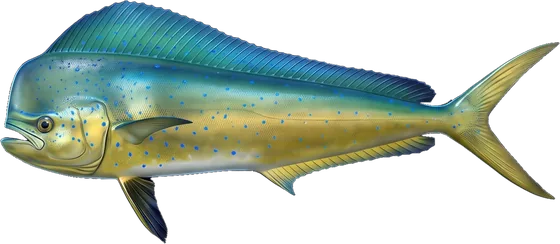
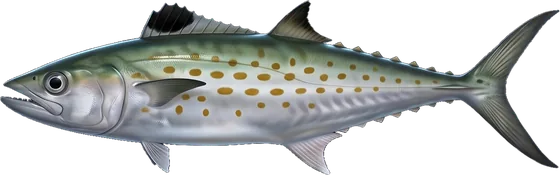
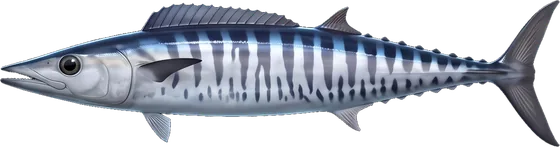
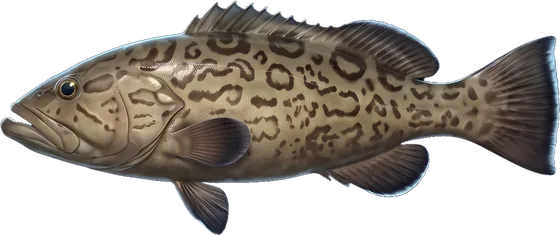
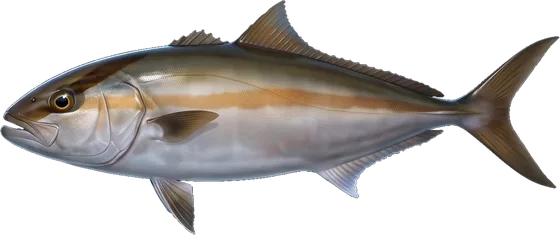
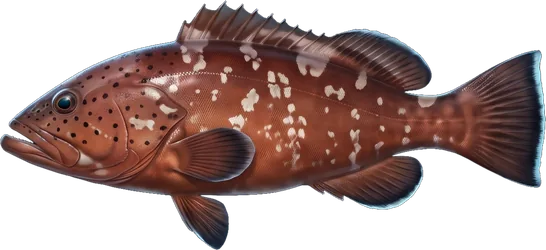
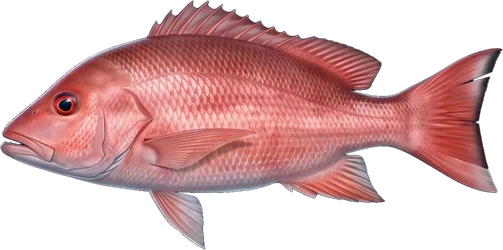
The bottom steps down from nearshore hard bottom to ledges and deeper water across the eastern Gulf shelf. Each class of bottom holds a different mix of fish, and species shift with water temperature and fronts. Most anglers running offshore from Madeira Beach target red grouper, gag, red snapper, amberjack, king mackerel, mahi and blackfin tuna.
Access and navigation
The public ramp and marina listing for Madeira Beach:
- Madeira Beach Municipal Marina – public ramp at 503 150th Ave, 50 parking spaces, bait, fees collected by the attendant
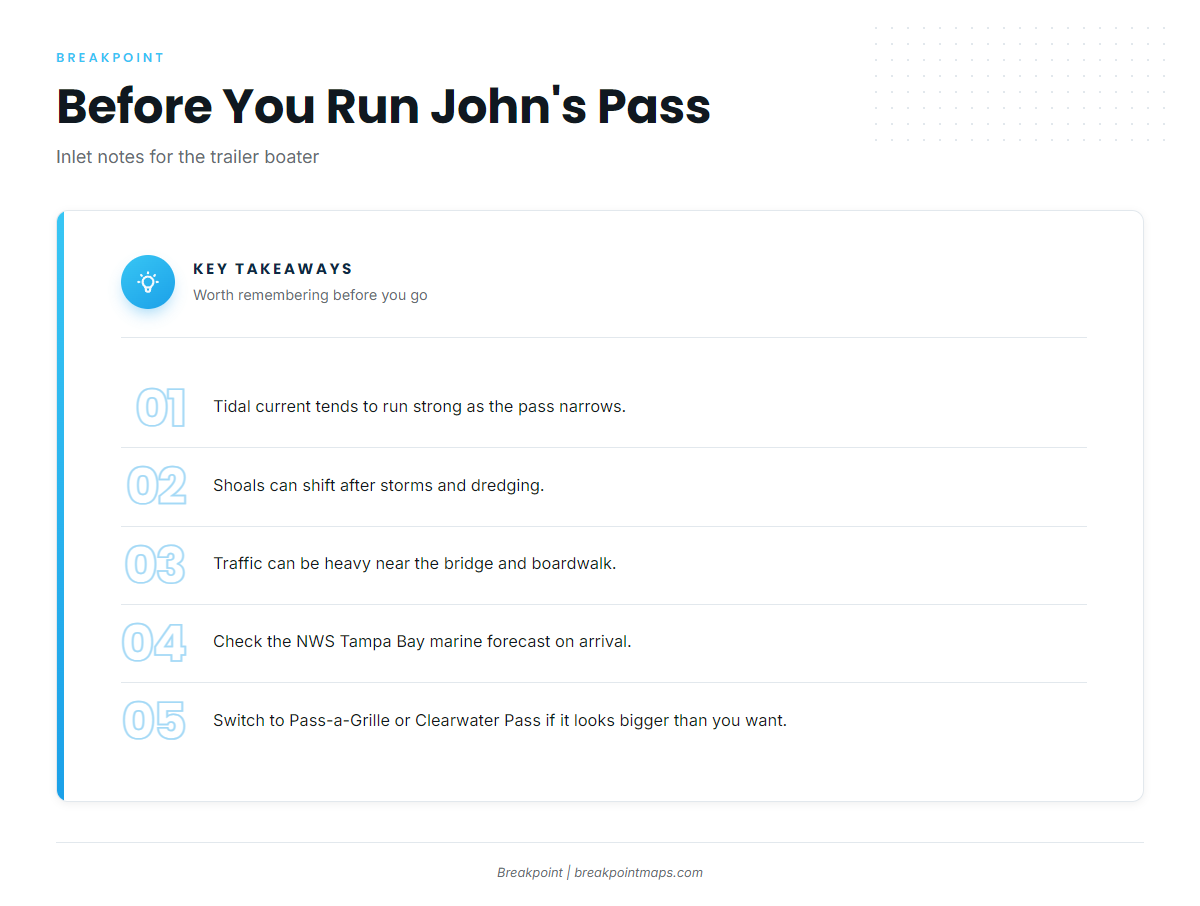
John’s Pass runs strong tidal current, and the current builds as the pass narrows. Shoals can shift, and the bottom may move after storms and dredging, so charts and markers can lag what is underneath. Traffic is often heavy near the bridge and the boardwalk, so watch the channel in both directions.
For the official approach description, see the NOAA Coast Pilot 5 chapter covering Tampa Bay to Apalachee Bay.
If John’s Pass doesn’t suit the day, there are other approaches: the Pass-a-Grille Channel to the south and Clearwater Pass to the north.
Read wind, wave height and period in the NWS Tampa Bay marine forecast for the Gulf waters off Pinellas. When you arrive, compare the water with the official forecast, and switch approaches if conditions look bigger than you want.
Fishing conditions
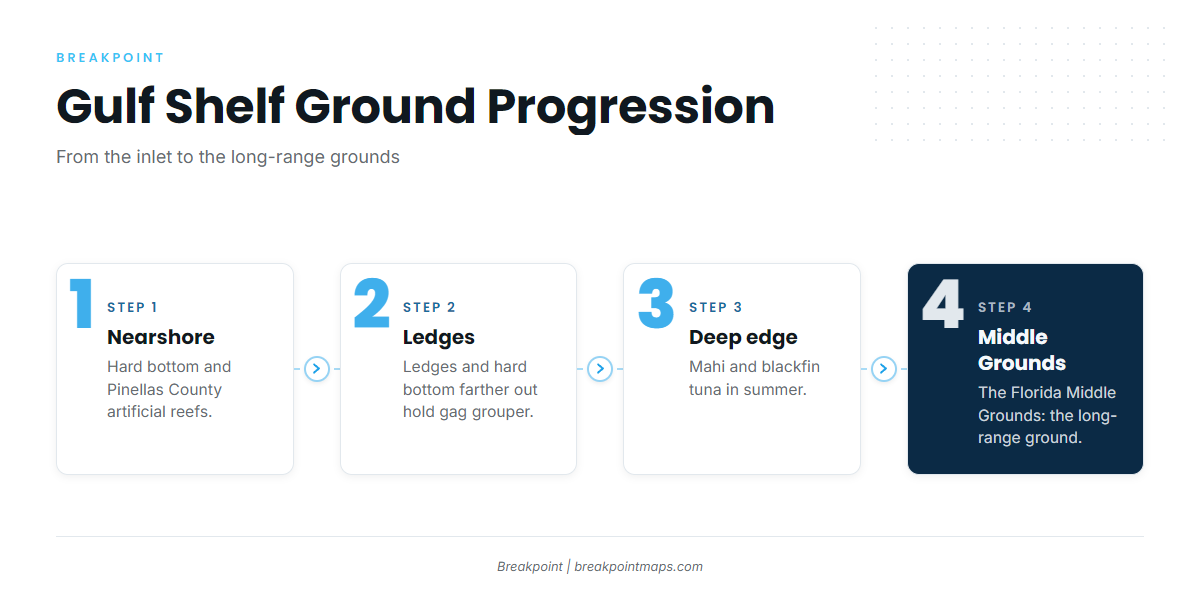
Offshore fishing from Madeira Beach works in steps. Nearshore hard bottom and Pinellas County artificial reefs come first, then ledges and hard bottom farther out, then the deep edge. The Florida Middle Grounds is the long-range ground for crews planning a big run. Ledges and hard bottom hold gag grouper off Tampa Bay.
Gulf reef fish rules change by season and quota, so check the Florida Fish and Wildlife Conservation Commission (FWC) recreational Gulf reef fish regulations before every trip. Private-boat reef fishing requires the State Reef Fish Survey designation, and descending-device requirements apply to reef fish. FWC has details on both. Red tide can affect nearshore water, so check FWC’s red tide status before you run.
Before you go, use OBS SST, Chlorophyll and Chart Contours to find temperature edges, color breaks and structure. Cloud can block a satellite pass, and chart layers are not for navigation.
Winter
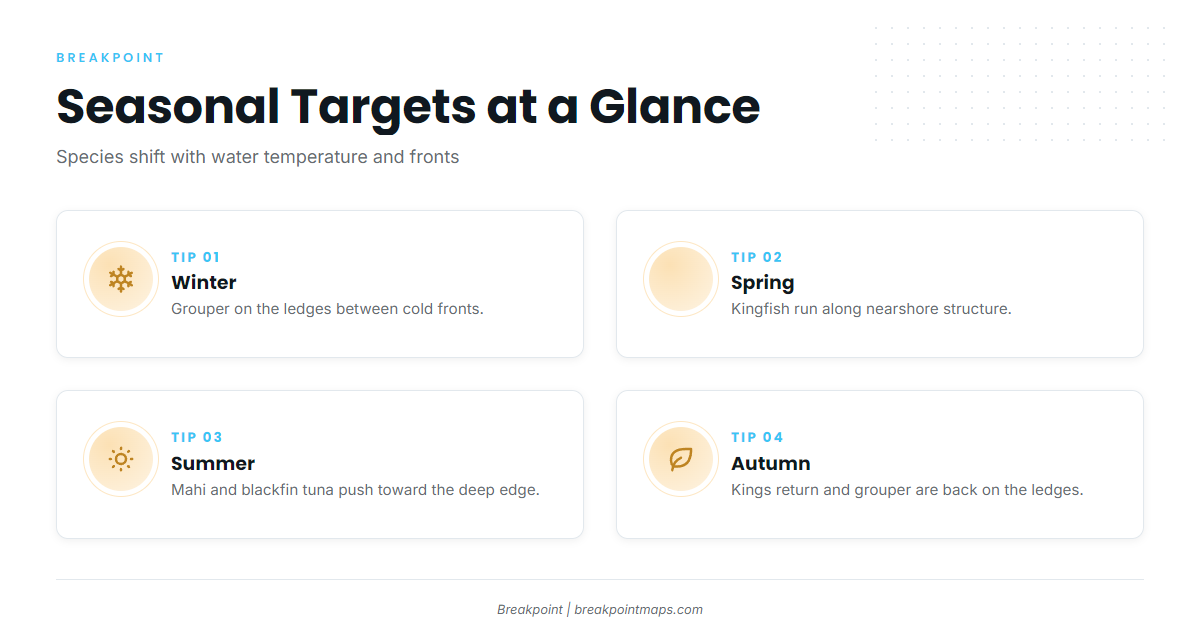
Winter is grouper on the ledges between cold fronts. Fronts shape your windows, so check the forecast for when the wind lays down behind them. Hogfish fall in FWC’s winter-into-spring framing. Nearshore hard bottom also holds black sea bass.
Spring
Spring brings the kingfish run along nearshore structure, part of the king mackerel run in the Gulf. Amberjack and red snapper are worth watching, but their openings depend on FWC rules, so check FWC for dates.
Summer
Summer pushes mahi and blackfin tuna farther out, toward the deep edge. Mornings usually give the most room before weather builds. Thunderstorms can develop over the water, so watch the sky and the forecast.
Autumn
Autumn brings kings back and puts grouper back on the ledges. FWC places king mackerel offshore through fall into winter, and king mackerel technique carries over from the spring run. Check FWC to see whether gag is open before you commit to a ledge.