



About Wildwood
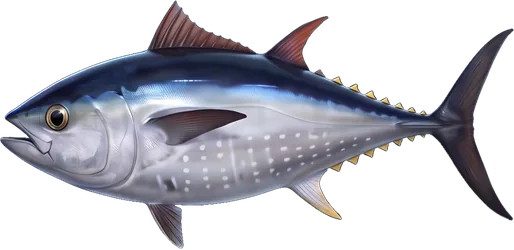
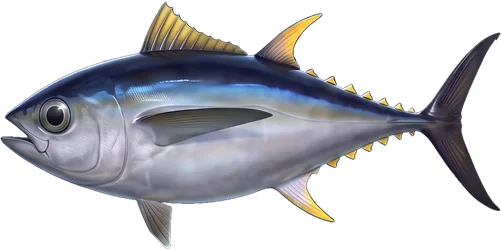
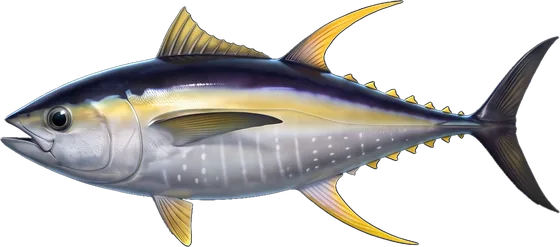
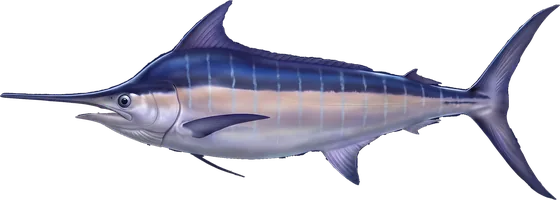
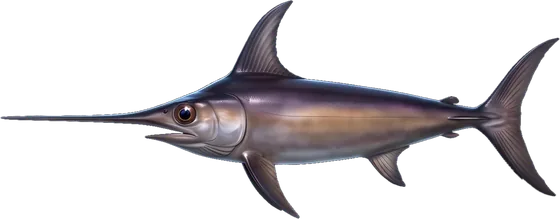
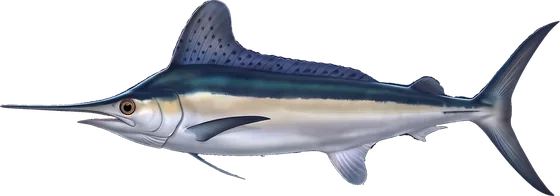
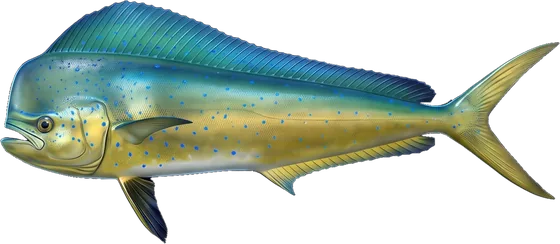
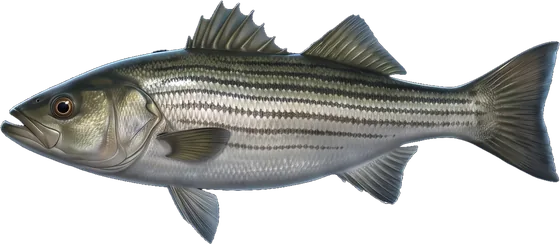
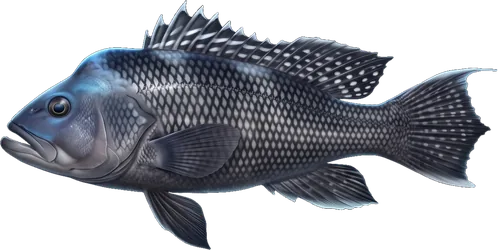
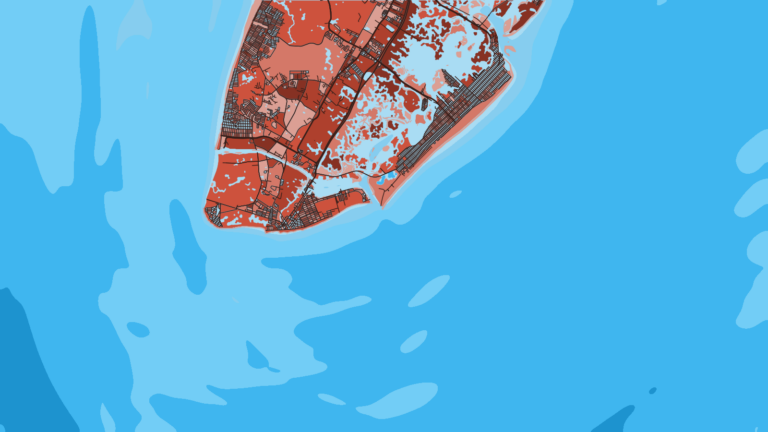
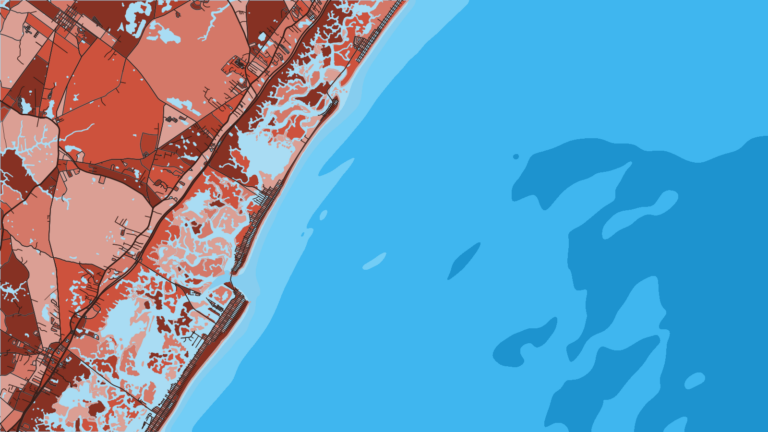
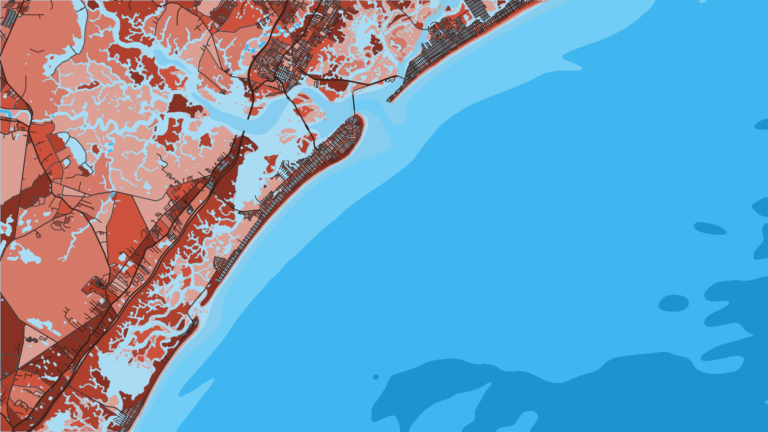
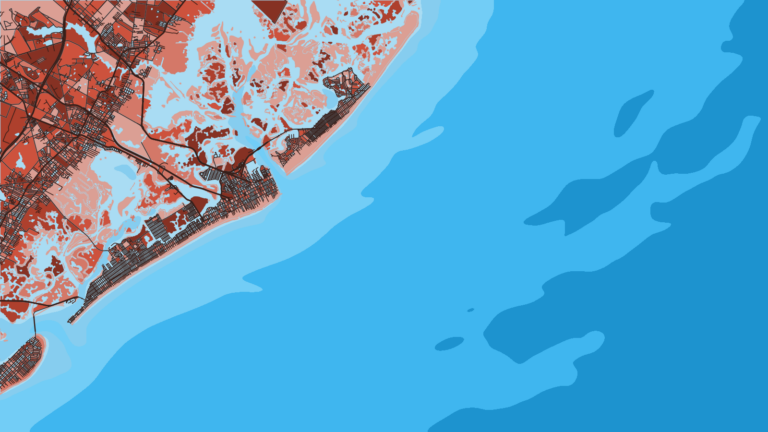
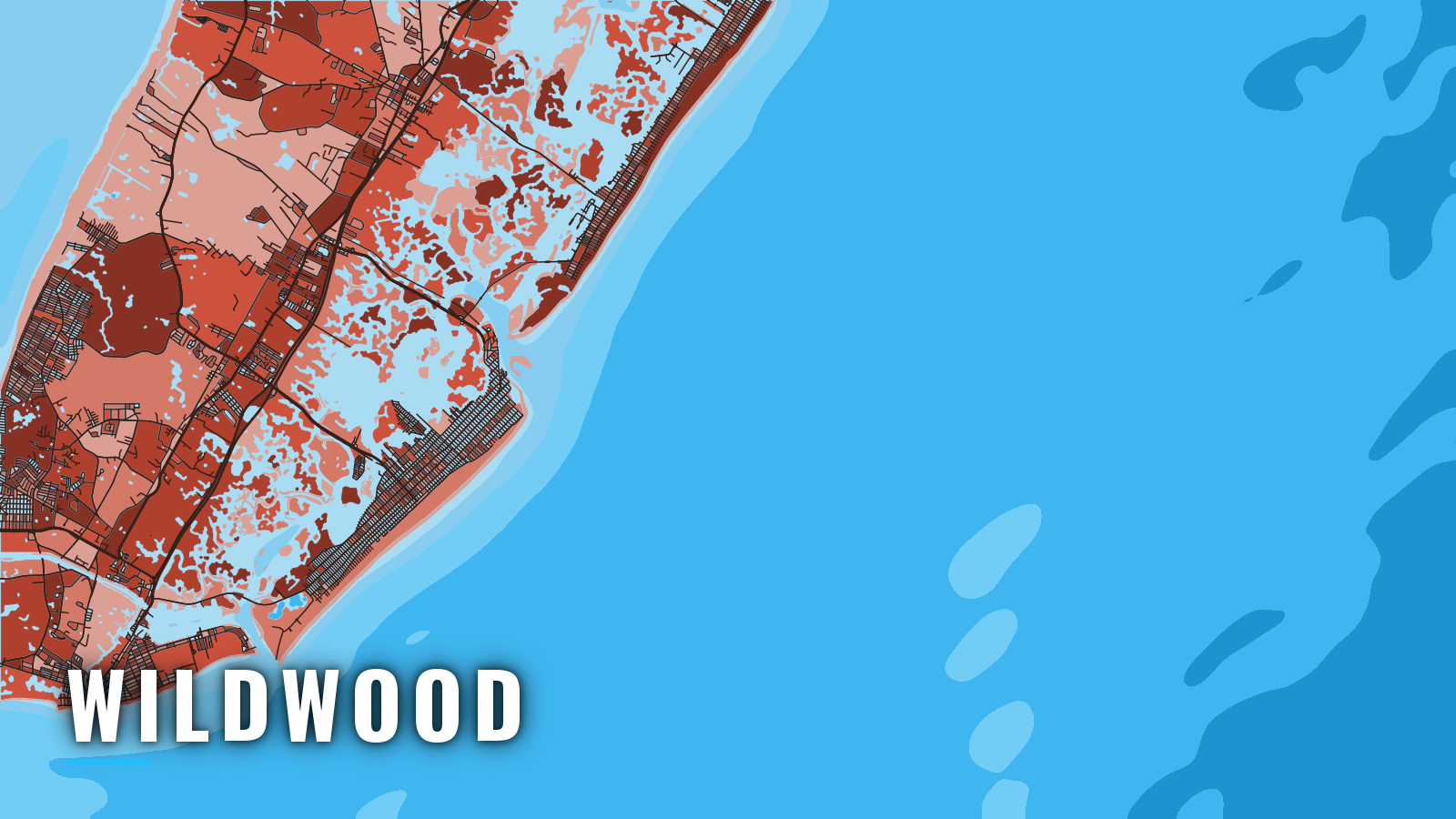
Wildwood offshore fishing runs out of two inlets on a Cape May County barrier island: Hereford Inlet off North Wildwood and Cape May (Cold Spring) Inlet to the south. The port sits on the coast of New Jersey. Bottom fish work the reefs and wrecks in the cold months, and pelagics push out to the canyons when the water warms. Inshore, anglers target black sea bass, tautog, fluke and striped bass. Offshore, the main fish are bluefin and yellowfin tuna, white marlin and mahi, following the seasonal pattern of the Atlantic Northeast.
Access and navigation
Trailer boats launch on the bay side and reach the ocean through either Hereford Inlet or Cape May Inlet. Two places to start:
- North Wildwood municipal ramps, 5th Avenue and the Bay: 2 ramps, a launch fee and parking.
- Bree-Zee-Lee Yacht Basin, Ocean Drive (Route 621): a fee ramp, seasonal.
The state saltwater fishing guide lists the other access points.
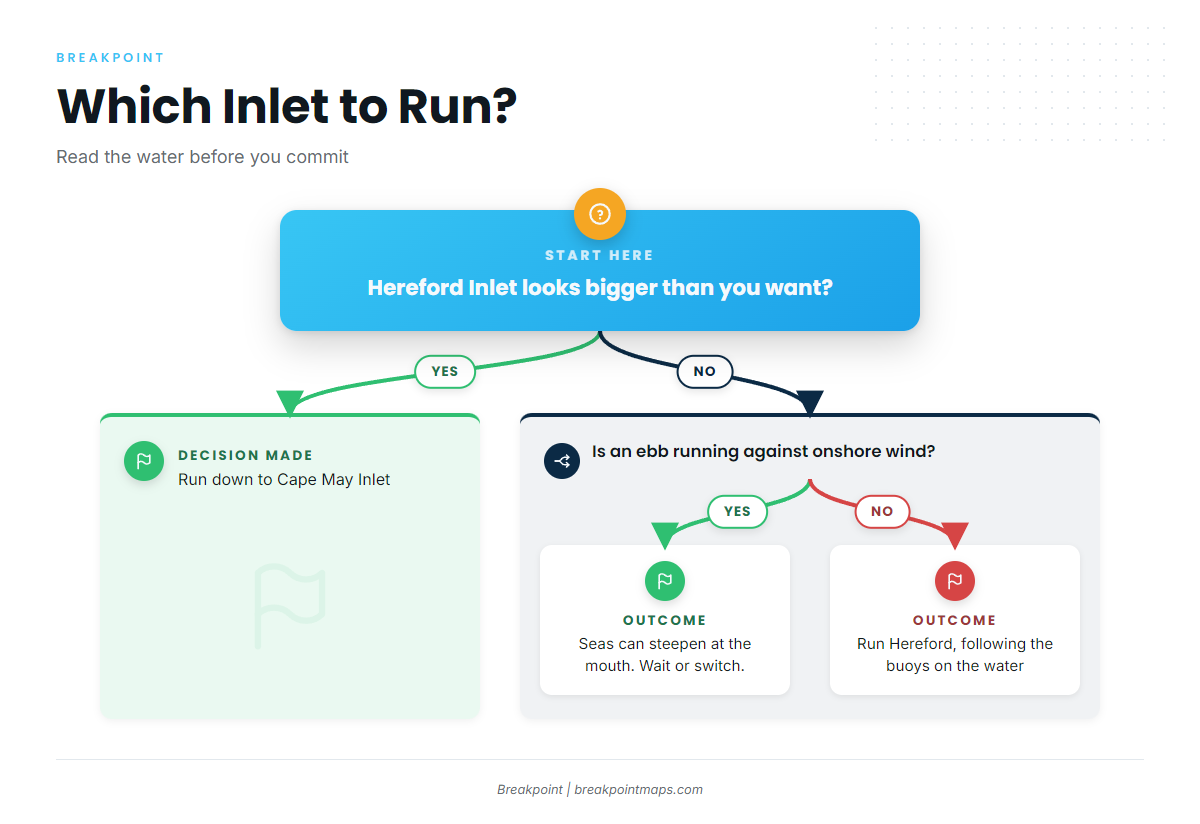
Cape May (Cold Spring) Inlet is jettied and deeper, and it tends to be the more forgiving of the two. Current runs about 2 knots in the inlet, according to U.S. Coast Pilot 3. An ebb running against an onshore wind can steepen the seas at the mouth, which may also be busy with small fishing boats.
Hereford Inlet is the closer exit from North Wildwood and tends to change more often. The Coast Pilot describes these inlets as obstructed by shifting bars, with passage subject to rapid change. Buoys and shoals can move faster than charts update, so follow the buoys on the water rather than an old track. A rising tide with a smooth sea is generally the better time to enter New Jersey inlets.
Look at the water at the inlet when you arrive. Read the official NWS marine forecast ANZ453 for Great Egg Inlet to Cape May, out 20 NM, and check NDBC buoy 44009 for wind, wave height and period. If Hereford looks bigger than you want, run down to Cape May Inlet, or the other way around.
Fishing conditions
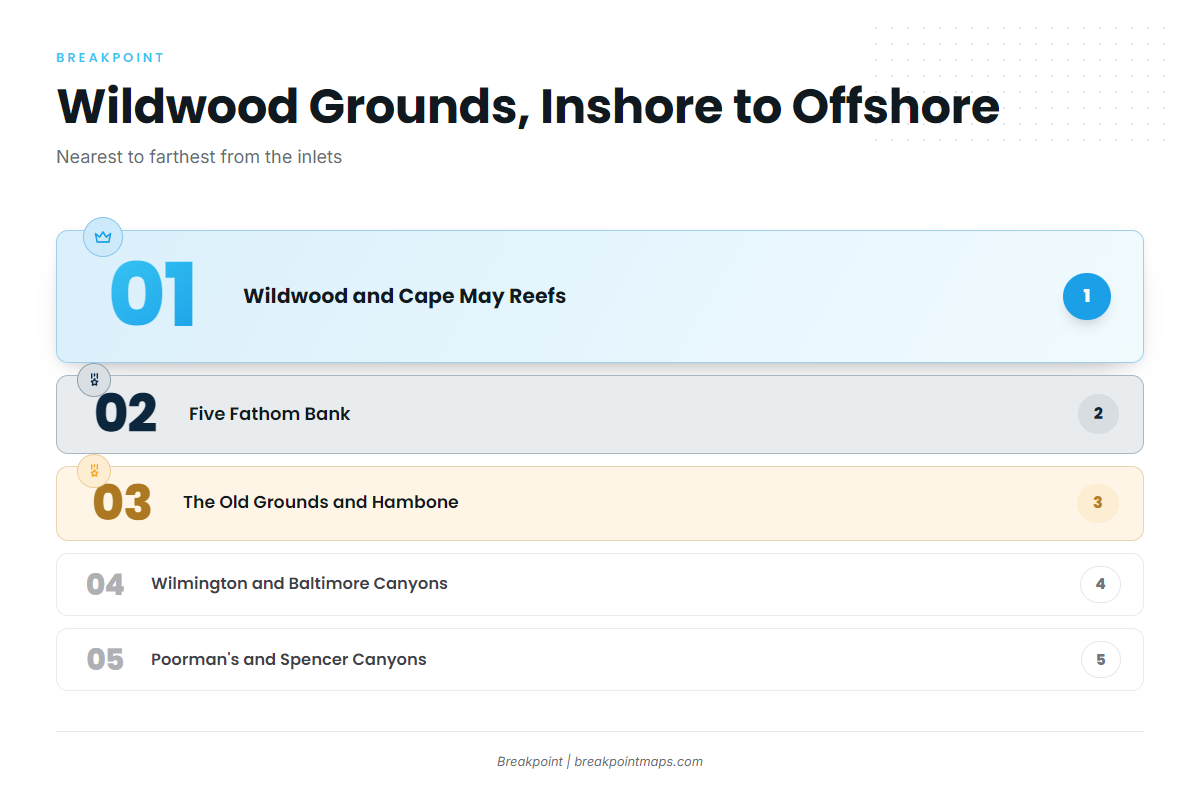
Offshore fishing from Wildwood steps out from artificial reefs near the beach, to the shoals and lumps on the mid-shelf, to the canyons at the shelf edge. Working from inshore to offshore, the named grounds are:
- Wildwood Reef and Cape May Reef. Artificial reefs for black sea bass, tautog and fluke. Wildwood Reef lies off Hereford Inlet, inshore of Five Fathom Bank.
- Five Fathom Bank. A shoal bank off the inlet mouths.
- The Old Grounds and the Hambone. Mid-shelf grounds.
- The canyons. Wilmington, Baltimore, Poorman’s and Spencer.
Before a canyon run, read the OBS SST and Chlorophyll layers in Breakpoint for temperature and color breaks, and use Chart Contours to find the edges. Chart layers are not for navigation.
Fluke, sea bass, tautog and striped bass rules change by season. Check the NJDEP Division of Fish and Wildlife page before fishing, and see the New Jersey rules for the state overview. Tunas and billfish generally require a federal HMS Angling permit from NOAA Fisheries.
Winter
Winter fishing tends to center on tautog and sea bass on the reefs and wrecks. Sea bass usually hold on Wildwood Reef in early winter before moving to deeper water, according to The Fisherman’s write-up on sea bass on Wildwood Reef.
Spring
Spring tends to bring tautog and sea bass back to the reefs, with bluefish and striped bass moving along the beach. Striped bass fishing is allowed in state waters only, 0 to 3 NM. Early bluefin in the Atlantic Northeast can show on the inshore and mid-shelf grounds.
Summer
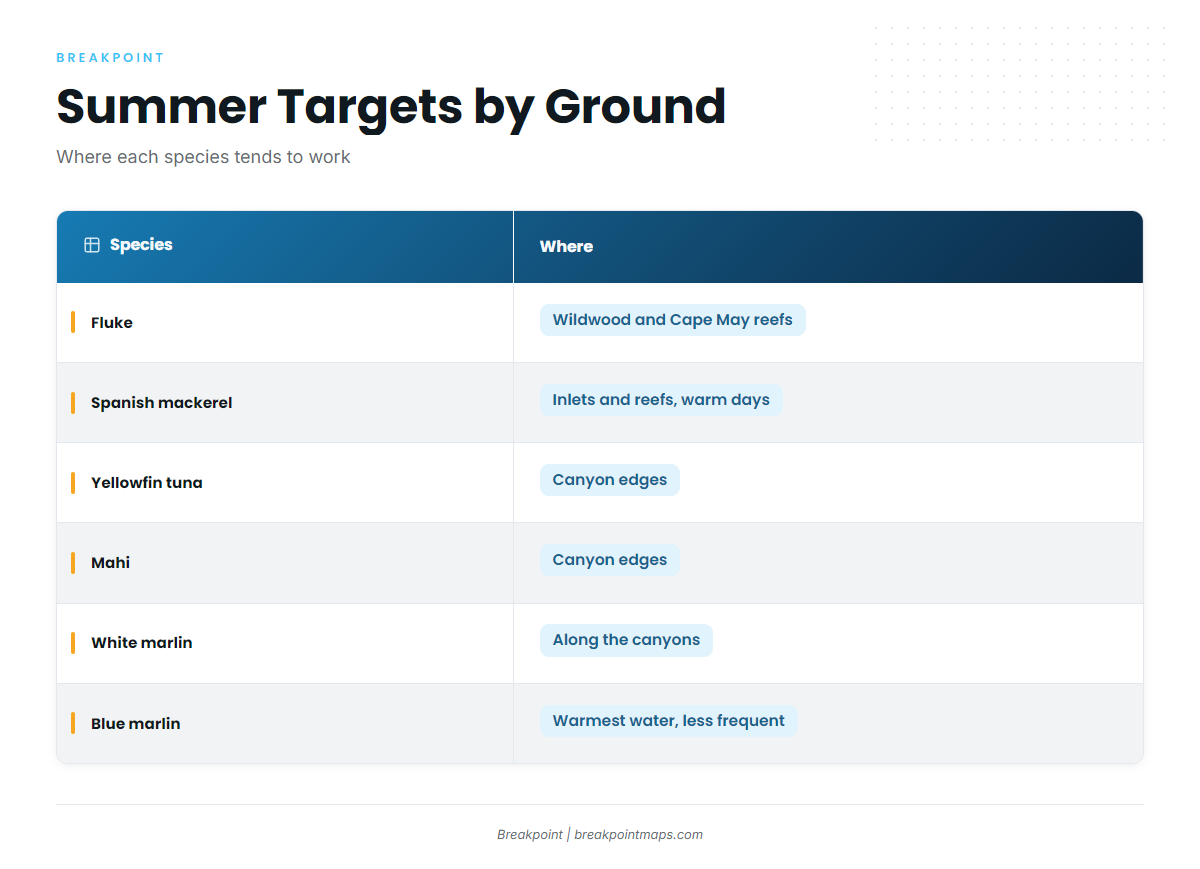
Summer splits between fluke on the Wildwood and Cape May reefs and pelagics in the canyons. On warm-water days, Spanish mackerel can show near the inlets and reefs.
Offshore, mahi and yellowfin in the Atlantic Northeast tend to work the canyon edges. White marlin usually show along the canyons, and blue marlin are a less frequent catch in the warmest water.
Autumn
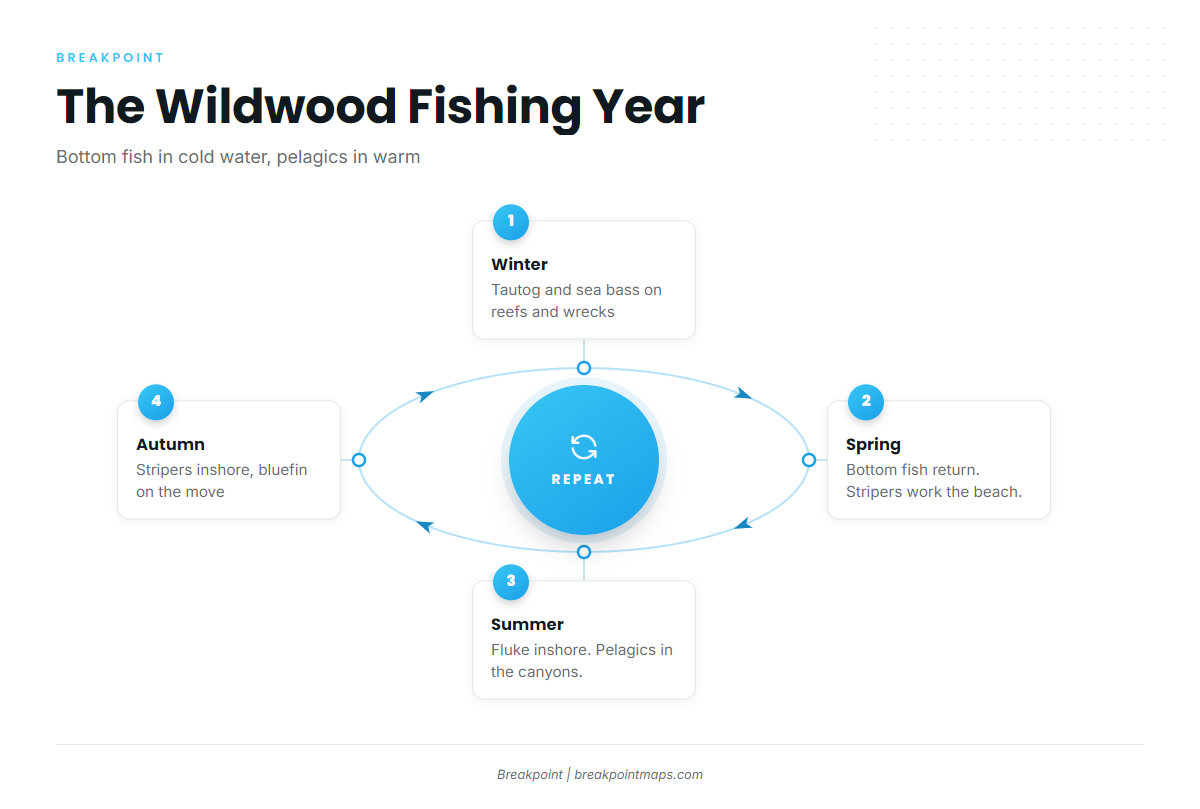
Autumn tends to be the fullest stretch, with striped bass inshore, bluefin on the move and the canyons still producing. Striped bass fishing is in state waters only; federal waters, 3 to 200 NM, are closed to striped bass.
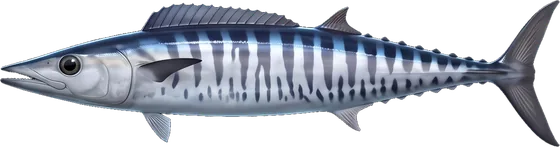
Bluefin tuna return on the fall run. Yellowfin tuna keep working the canyons, and wahoo can show on the edges into early autumn. Sea bass and tautog tend to return to the reefs as the water cools, setting up the winter bottom fishing again.