



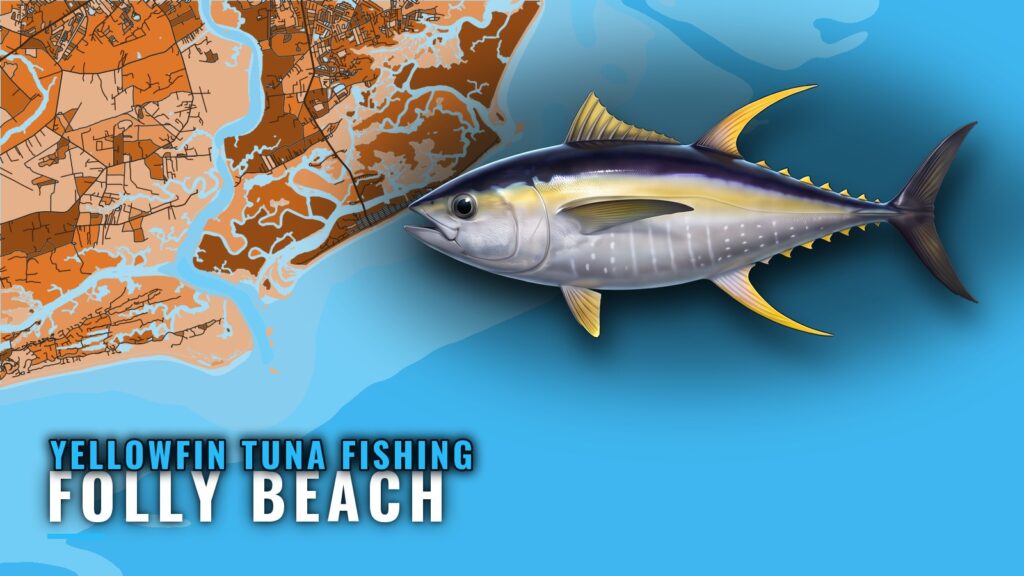
This page covers yellowfin tuna fishing from Folly Beach, the Charleston-area port that runs out through Stono Inlet. Yellowfin tuna are not documented from Folly Beach specifically, so what follows applies what holds along the Carolina and Lowcountry coast and ties it to this port’s inlet and water. The Atlantic Southeast yellowfin guide (see also the Atlantic Southeast offshore fishing guide) carries the regional detail, and the Folly Beach port page covers the port itself.
When the species is around the port
Charleston-area operators describe a spring window for yellowfin, from about mid-March into June, with a late April peak. The Gulf Stream sets the timing, so the warm water and its edges move the fish in and out. No Folly Beach window is documented, so let the Stream’s position guide the day.
Where boats run
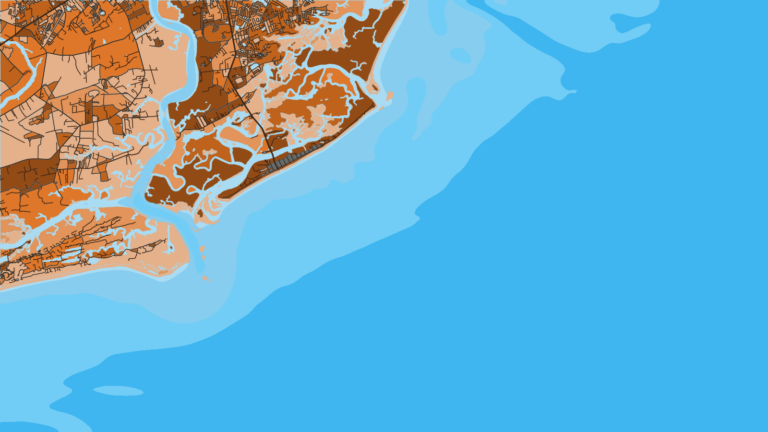
Stono Inlet crosses a shifting bar between Folly and Kiawah islands, and its buoys are moved often and left off the chart. The buoyed Folly River channel, about 2.3 miles long, changes too. Depths over the bar may differ from the chart, so check conditions yourself before you run and consider a higher stage of the tide. Waters east and southeast of Charleston Harbor are heavily used for military training, so check current notices before running that way. Off the Lowcountry the Stream sits a long run out, roughly 60 to 80 miles off Hilton Head by local accounts, though some Charleston-area operators start about 40 miles out in the spring.
Grounds and structure
Along the Charleston coast, offshore grounds that local operators name include the Georgetown Hole, the 226 Hole, Edisto Banks and Southwest Banks, all on the Gulf Stream edge. The Charleston Bump matters most. It is a raised bottom that deflects the Stream offshore, and the eddies and upwelling it sets up gather bait and pelagic fish. The named reef near Charleston Harbor, at about 30 feet, is a nearshore artificial reef and is not documented as yellowfin water.
How yellowfin are fished out of the port
No Folly Beach method is documented, so the regional approach applies. Trolling spreads of ballyhoo, spreader bars and skirted lures are the standard, run along temperature breaks and weed lines and crossing the breaks rather than running parallel to them. When fish stack on a spot or under birds, chunking or live bait keeps you on them. Jigging or popping suits fish marked deep on the sounder or busting on the surface. Yellowfin often share the water with blackfin, so check the fins before you count a fish.
Frequently asked questions
When is yellowfin season off Folly Beach?
Charleston-area operators describe a spring window from mid-March into June, with late April the peak. No Folly Beach window is documented, so treat that as the regional picture.
How do I tell yellowfin from blackfin?
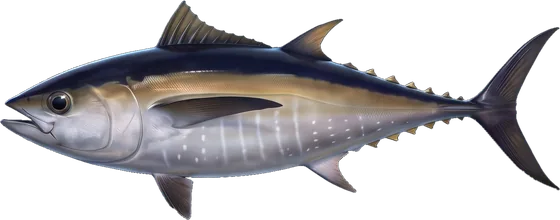
Yellowfin have bright yellow second dorsal and anal fins and yellow finlets with no black edge. Blackfin have dusky finlets and little of the bright gold of a yellowfin.
Is the Lowcountry run long?
Yes. The Stream sits a long way out, so plan fuel and the weather window with margin before you commit to the run.