



About St. Augustine
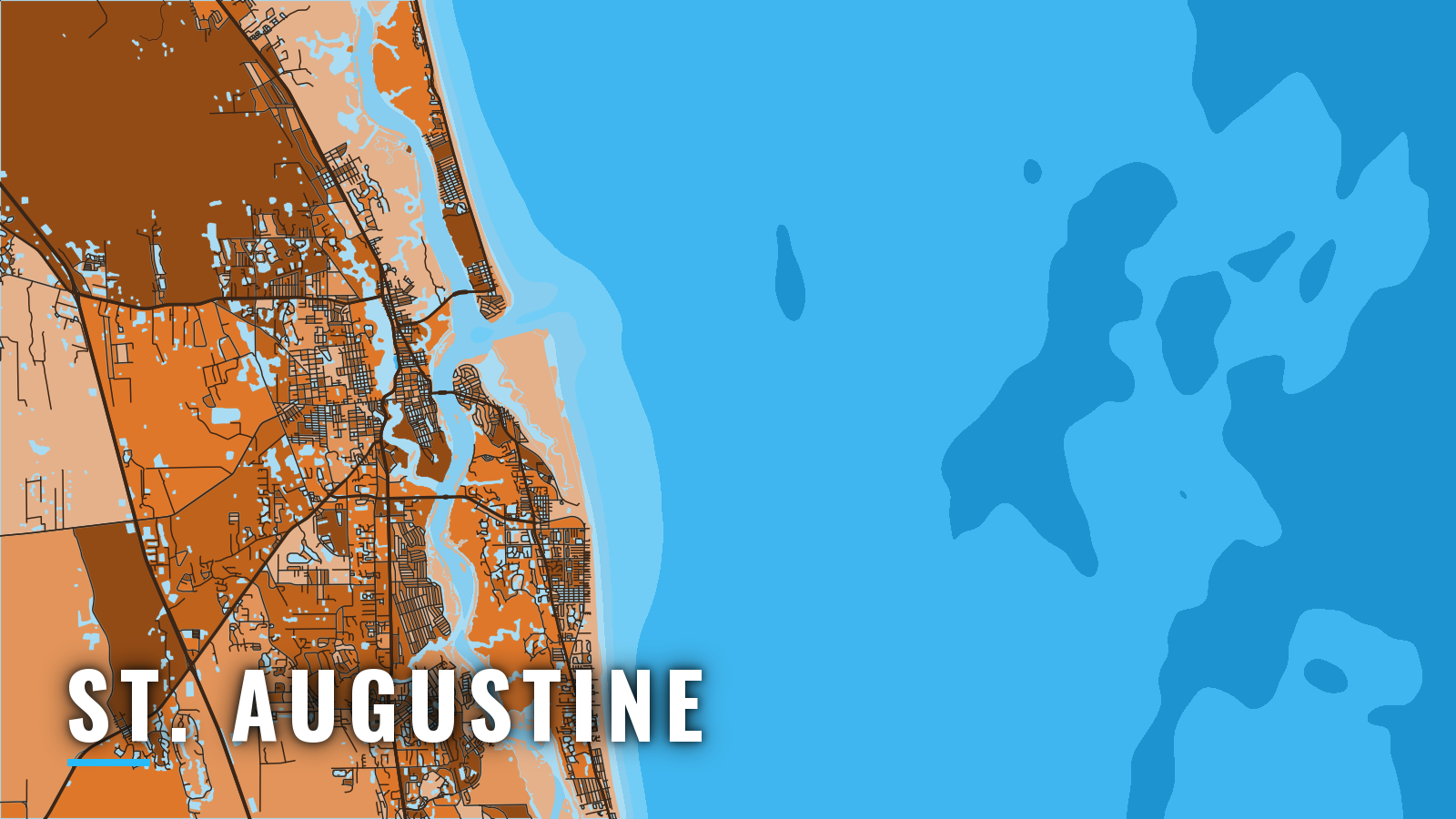
St. Augustine, FL offshore fishing starts at St. Augustine Inlet, which opens to the Atlantic, with the Intracoastal Waterway running behind it on the Tolomato and Matanzas Rivers. This guide covers where to launch, what the inlet tends to do, where the named reefs sit and what runs each season. It is written for owners who run their own boats. The same water is part of Florida’s Atlantic coast.
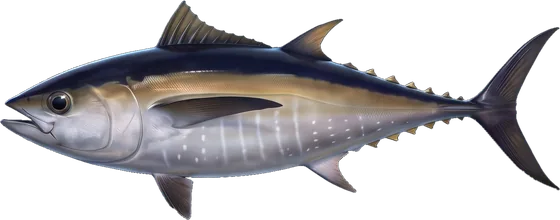
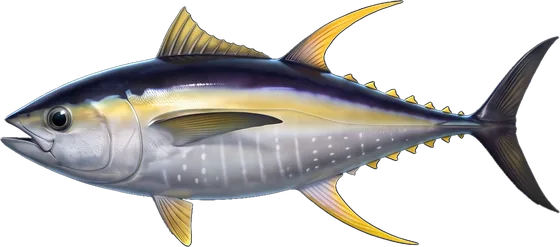
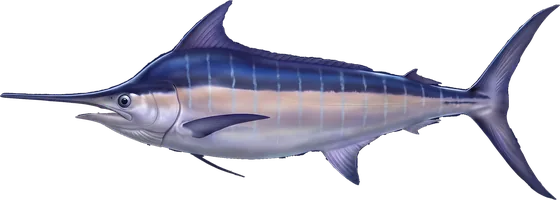
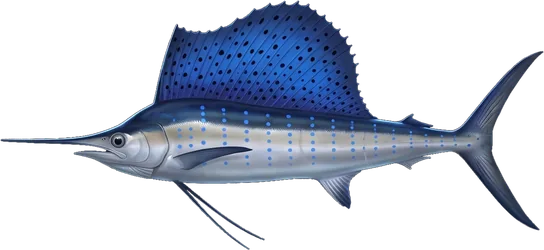
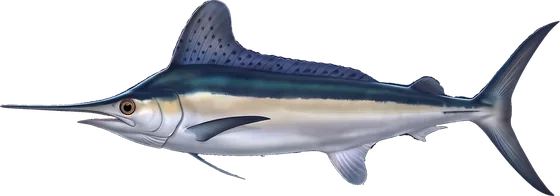
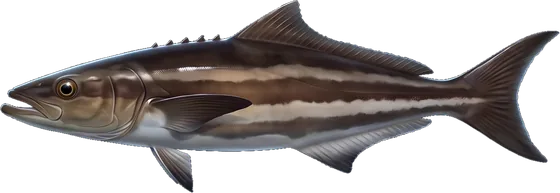
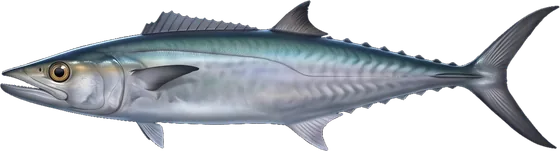
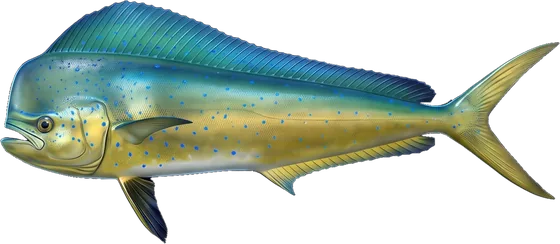
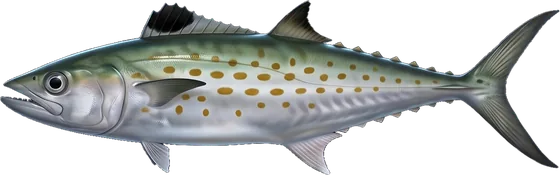
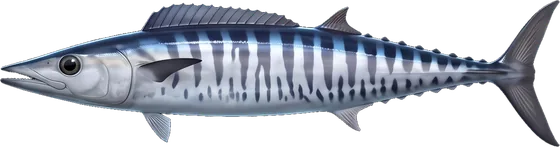
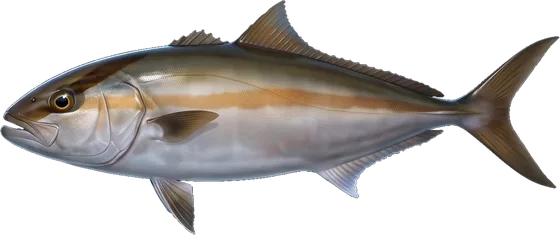
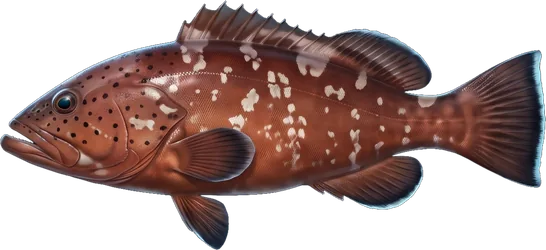
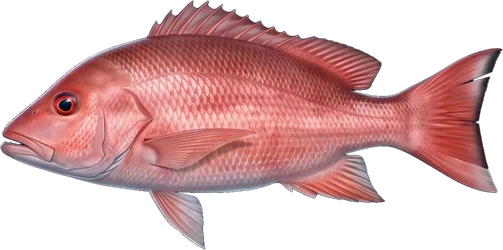
The fishing year follows the pattern of the Atlantic Southeast: wahoo and tuna in winter, then pelagics and reef fish through spring and summer. Targets include king mackerel, cobia, wahoo, sailfish, mahi, amberjack, red snapper and tuna.
Rules change by season and quota, so check the Florida Fish and Wildlife Conservation Commission (FWC) saltwater regulations before you fish.
Access and navigation
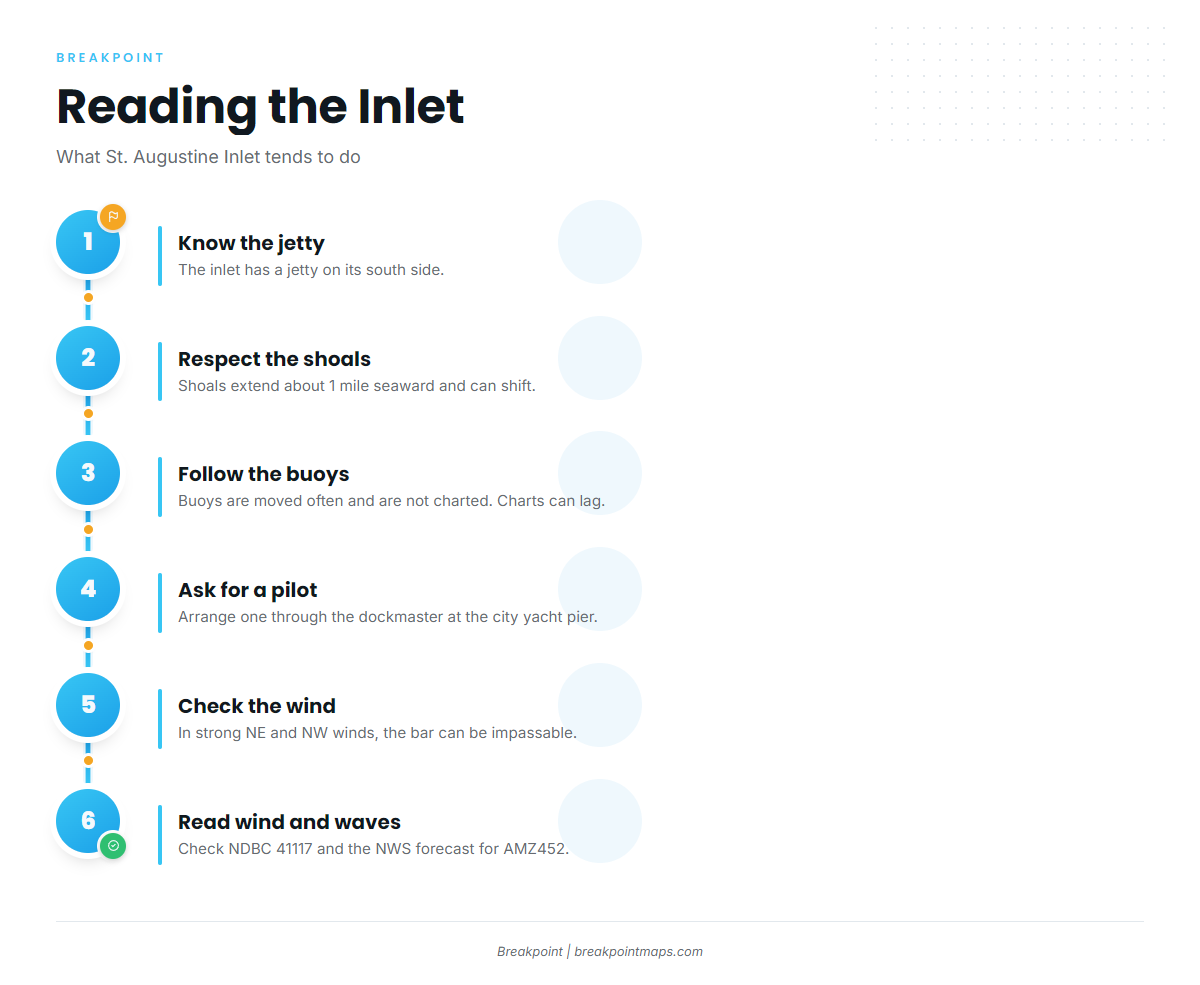
The way out is St. Augustine Inlet, reached from ramps and marinas on the Intracoastal Waterway.
Public ramps and marinas on the water behind the inlet:
- Usina Boat RampSt. Johns County public ramp
- Camachee Cove Yacht Harborslips, fuel
- Conch House Marina Resortmarina, fuel
- Cat’s Paw Marinamarina slips
How the inlet tends to behave
St. Augustine Inlet has a jetty on its south side and shoals that extend about 1 mile seaward. Depth and direction in the channel change with current and storms.
The approach and channel buoys are moved often and are not charted, and charts can lag the channel, so follow the buoys on the water. NOAA Coast Pilot 4 guidance advises visitors without local knowledge to arrange a local pilot through the dockmaster at the city yacht pier.
In strong northeasterly and northwesterly winds, the sea can make the bar impassable, even for small vessels.
Alternative approach
Matanzas Inlet lies to the south. It tends to be shallow and changeable, and it might suit smaller boats and skippers with local knowledge. Treat it as a backup that takes homework.
Read it on arrival
Look at the water when you get there, then check two sources. St. Augustine wave buoy 41117 reports wave height and dominant period. The NWS Jacksonville marine forecast for zone AMZ452 gives the official outlook. Compare wind, wave height and period with what your boat handles. If the bar looks bigger than you want, switch approaches or wait.
Fishing conditions
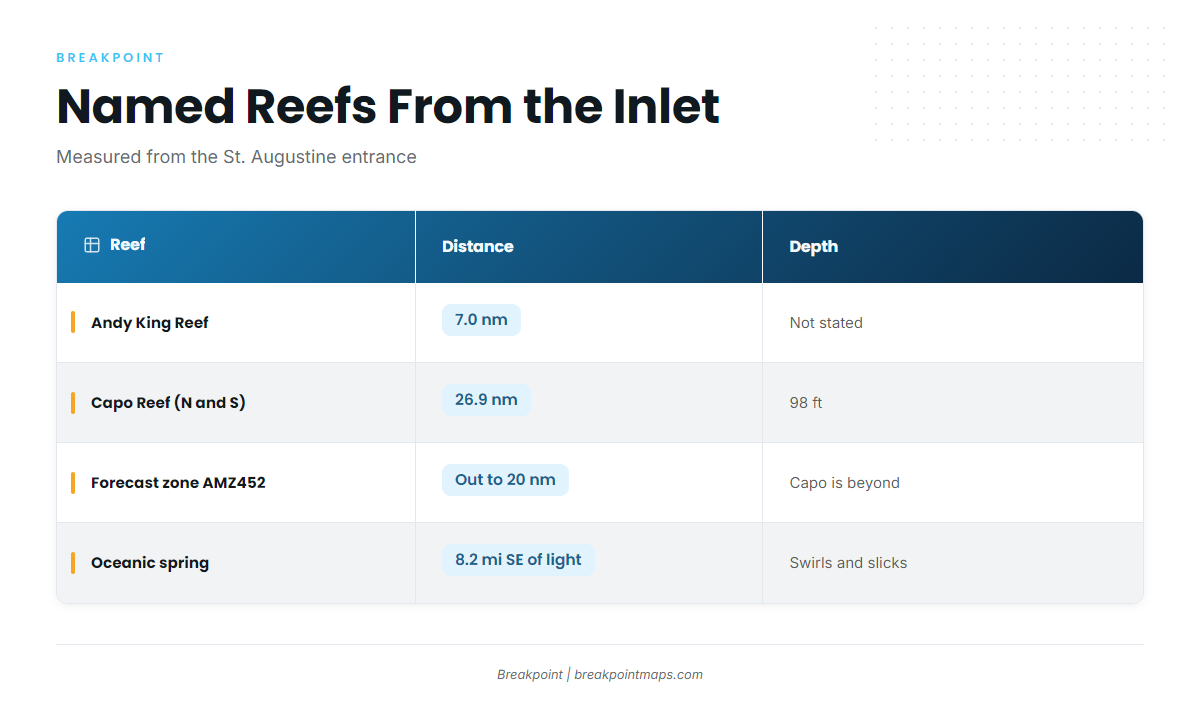
Offshore from St. Augustine Inlet, St. Johns County artificial reefs provide named structure at measured distances from the entrance.
| Reef | Distance from entrance | Depth |
|---|---|---|
| Andy King Reef (Bridge of Lions reef site) | 7.0 nm | |
| Capo Reef (North and South) | 26.9 nm | 98 ft |
Capo Reef sits 26.9 nm out in 98 ft, according to the St. Johns County reef report, and it is the kind of structure that holds amberjack. Zone AMZ452 covers out to 20 NM, so Capo Reef lies beyond the forecast zone.
An oceanic spring lies 8.2 miles southeast of St. Augustine Light and 2.4 miles east of Crescent Beach. It shows as swirls and slicks, sometimes with a slight overfall, and it can look like a shoal or a reef. A boat can be thrown out of the swirl and be hard to hold in position.
The Gulf Stream is the bluewater destination beyond the reefs. Chart Contours and OBS SST show where the bottom and the temperature breaks sit relative to the reefs. Chart layers are not for navigation.
Winter
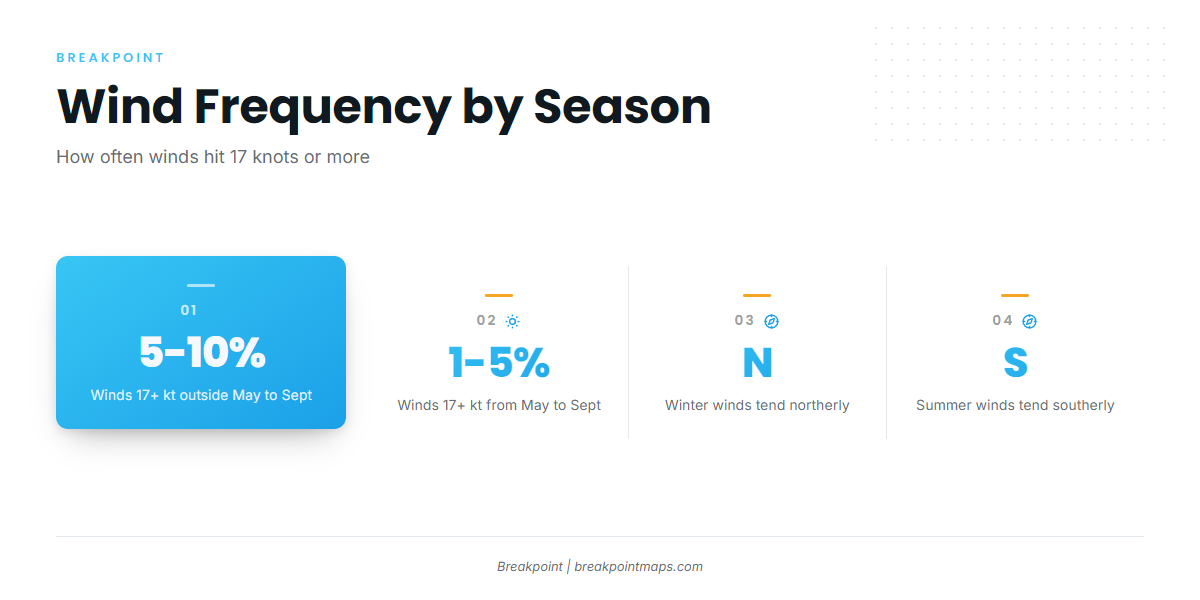
Winds tend to have a northerly component in winter. Winds of 17 knots or more occur about 5 to 10 percent of the time outside May through September, so keep the bar note above in mind when you pick a window.
Wahoo are the headline offshore target, along with tuna.
Spring
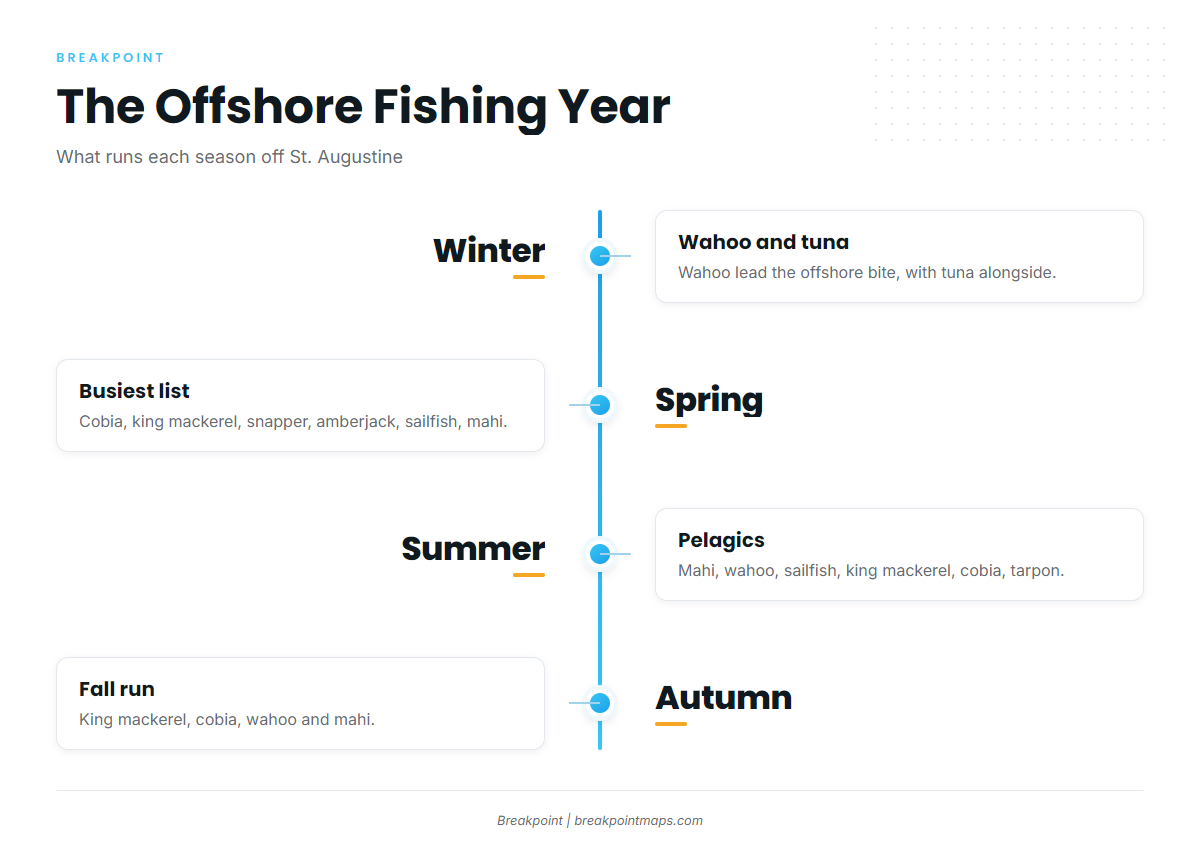
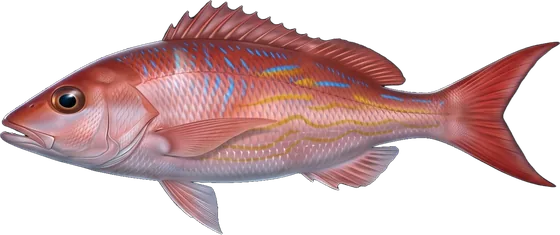
Spring has the longest list: cobia, king mackerel, red snapper, vermilion snapper, amberjack, sailfish, mahi and wahoo. Cobia run along the beaches, and king mackerel arrive on the same water.
Atlantic red snapper season is set by quota. Check NOAA Fisheries for the dates before you plan a trip.
Summer
Winds of 17 knots or more occur about 1 to 5 percent of the time from May through September, and winds tend to have a southerly component. Read the wind and wave numbers for the day.
The summer list is mahi, wahoo, sailfish, king mackerel, cobia and tarpon.
Autumn
King mackerel, cobia, wahoo and mahi fill the autumn list. The king mackerel tactics that work in spring carry over, and cobia reappear on the same grounds. Bull redfish and sheepshead fish the inshore side.