



About Darien
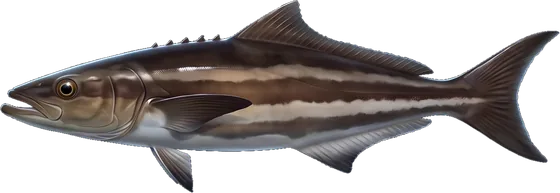
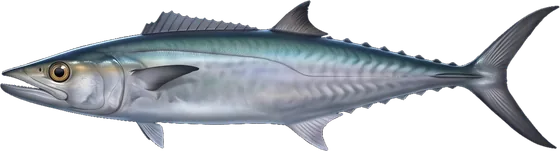
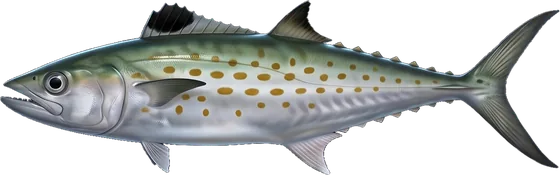
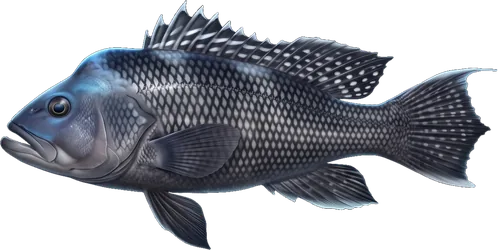
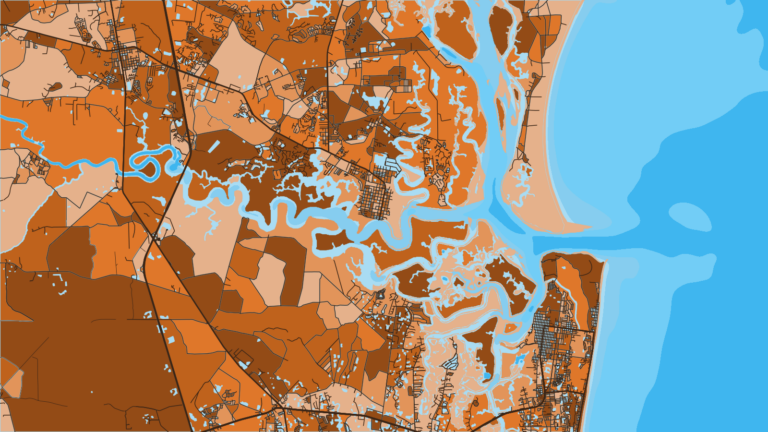
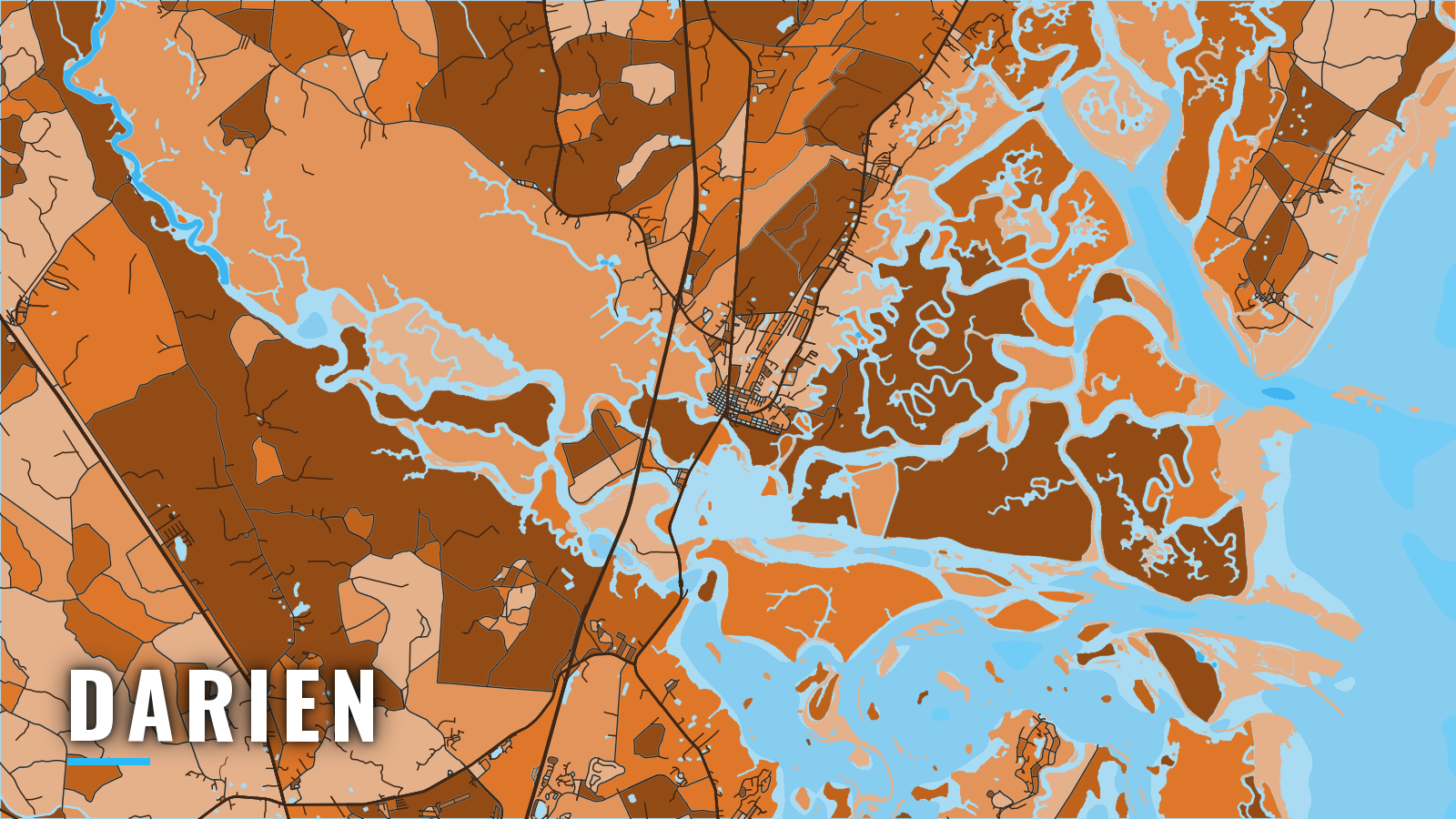
Darien is a shrimping and fishing town in McIntosh County, on the north bank of the Darien River about 9 miles above Doboy Island. The Intracoastal Waterway connects it to Doboy Sound, which lies about 45 miles southwest of Tybee Light. Shellman Bluff, on the Broro River off Sapelo Sound, is a second small-boat base. Both sounds reach the Atlantic across shifting bars. Fishing runs through the year, and reef and live-bottom fishing continues through the warm months. Anglers target king mackerel, snapper, grouper, black sea bass, cobia and tripletail. Georgia DNR and federal rules apply, so check our Georgia regulations page and the Georgia DNR saltwater limits before you fish.
Access and navigation
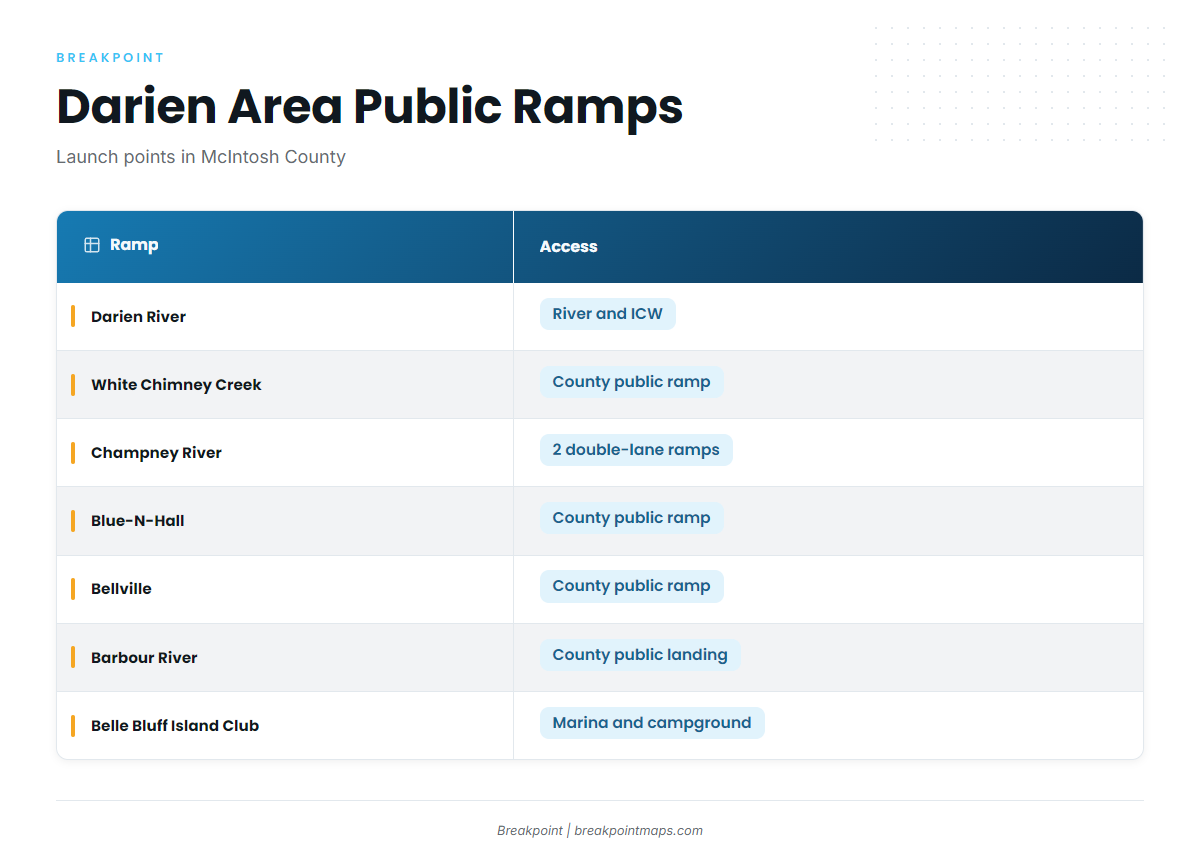
Public ramps in McIntosh County give access to the Darien River, the ICW and the creeks behind Sapelo.
- Darien River Boat Ramp – on the Darien River in town, with direct access to the Intracoastal Waterway.
- White Chimney Creek Boat Ramp – McIntosh County public ramp.
- Champney River Boat Ramp – two double-lane ramps and a raised parking area.
- Blue-N-Hall Boat Ramp – McIntosh County public ramp.
- Bellville Boat Ramp – McIntosh County public ramp.
- Barbour River Landing – McIntosh County public landing.
- Belle Bluff Island Club, Campground & Marina – marina and campground.
Georgia DNR lists all coastal ramps in its boat ramp directory.
Approaches
The Darien River can have shoals and numerous floating snags. The ICW enters Doboy Sound through Old Teakettle Creek and runs south through North River and the Darien River to town. The NOAA Coast Pilot 4 covers both sound entrances.
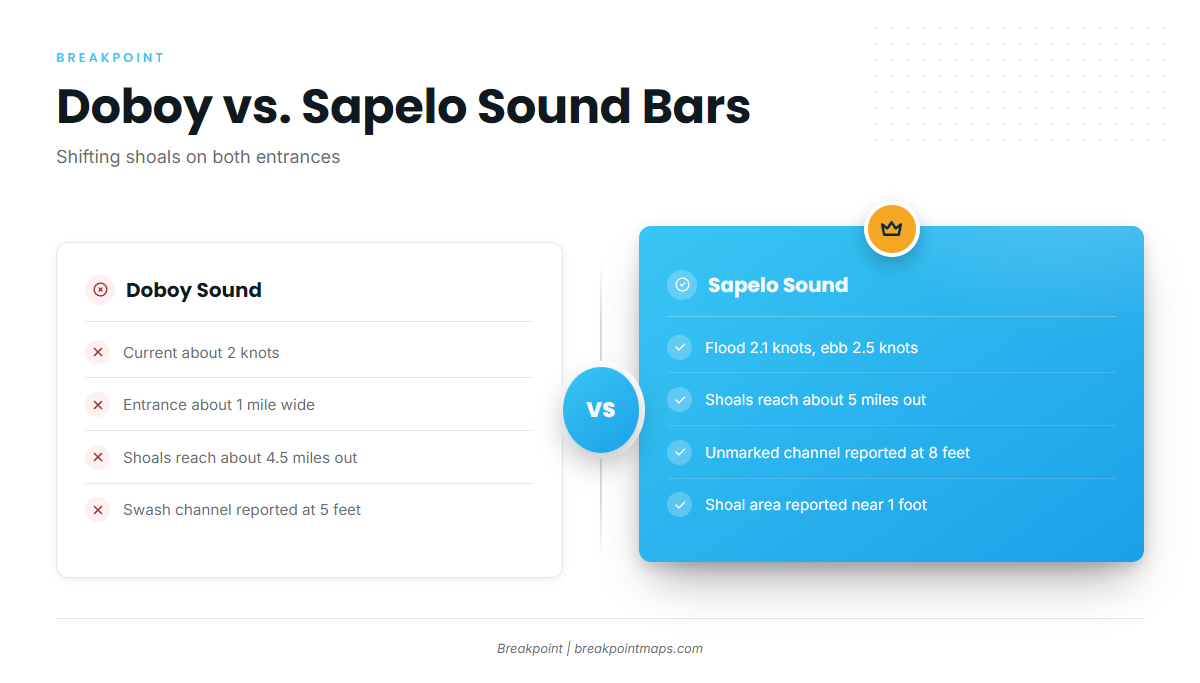
At Doboy Sound, the tidal current in the entrance tends to run about 2 knots, and the entrance is about 1 mile wide. Shifting shoals can reach about 4.5 miles offshore. The marked bar channel has been changing, and a controlling depth of 5 feet has been reported on it. An unmarked swash channel with a least depth of 5 feet runs close under the south point of Sapelo Island, and local shrimp boats use it. The bar can stand up steeply when the ebb runs against an onshore wind. The sounds are surveyed, but shoals can move between surveys.
Sapelo Sound, on the Shellman Bluff side, has shifting shoals that can reach about 5 miles offshore. Currents at the entrance tend to run about 2.1 knots on the flood and 2.5 knots on the ebb. A changeable area with shoaling to about 1 foot has been reported about 0.75 mile east of Experiment Shoal. An unmarked channel south of the main channel has a reported depth of 8 feet, and fishing boats use it.
If the Doboy bar looks too choppy to cross, the alternative is to run the ICW south to St. Simons Sound.
Check the water and the official NWS marine forecast when you arrive, and switch approaches if conditions look bigger than you want. Chart layers such as Chart Contours help with planning but are not for navigation; run on NOAA chart 11502 and the official forecast. To plan the day against the ocean data first, find your port in the state and port guides on breakpointmaps.com.
Fishing conditions
Darien fishes the same reef and live-bottom pattern described in our Atlantic Southeast fishing guide. The named grounds are:
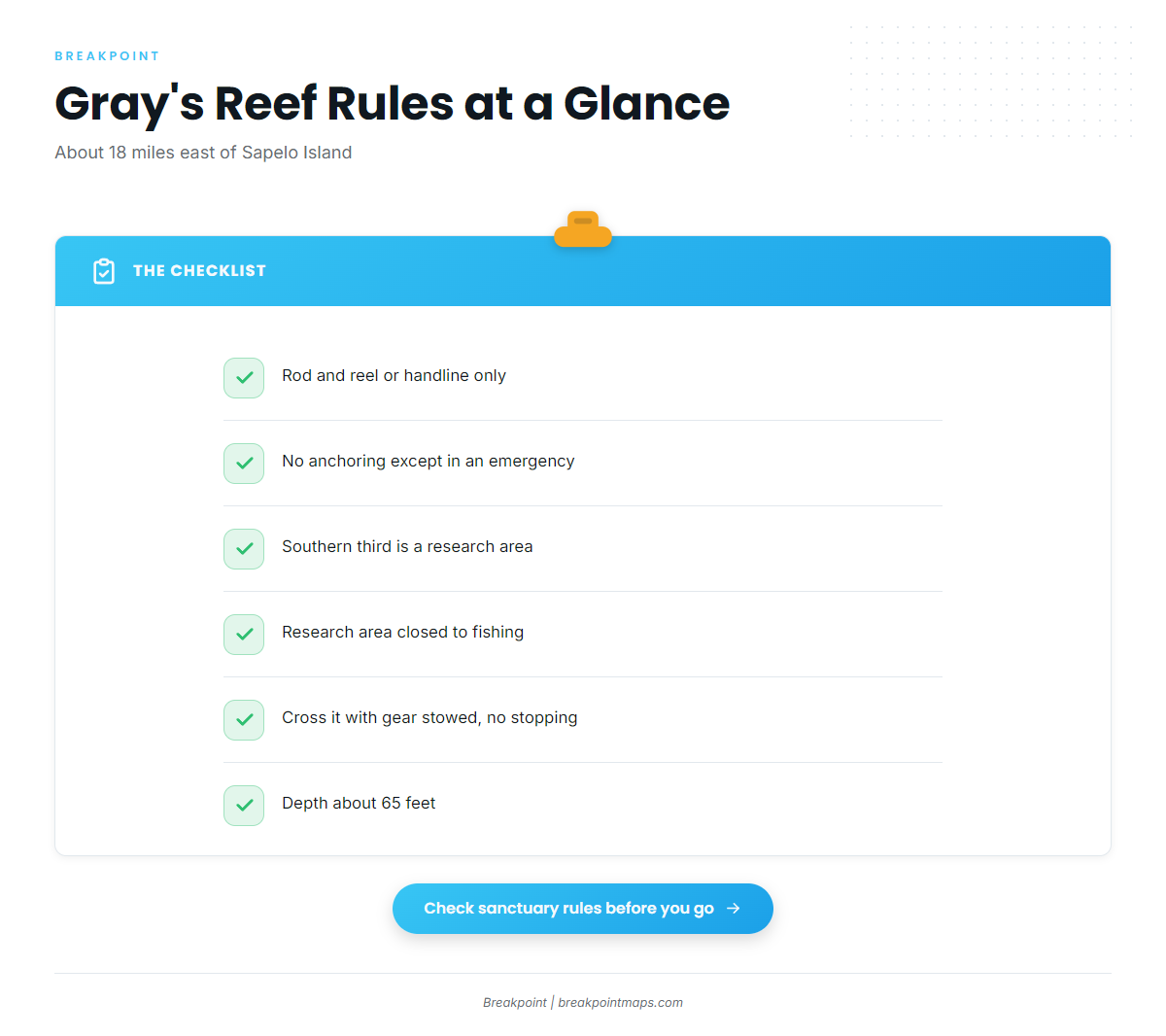
- Gray’s Reef National Marine Sanctuary sits about 18 miles east of Sapelo Island, in 65 ft. Only rod and reel and handline gear are allowed, and anchoring is prohibited except in an emergency. The southern third is a research area closed to fishing. You may cross it with gear stowed, without stopping. Read the Gray’s Reef sanctuary regulations before you go.
- Georgia DNR artificial reefs include Reef BH, Reef KTK and Reef BL. Georgia DNR publishes the reef coordinates.
- Reefs beyond 3 miles are federal special management zones. Fishing there is limited to handline, rod and reel and spearfishing gear. Sea bass pots and bottom longlines are prohibited.
Cobia’s state season runs March 1 to October 31.
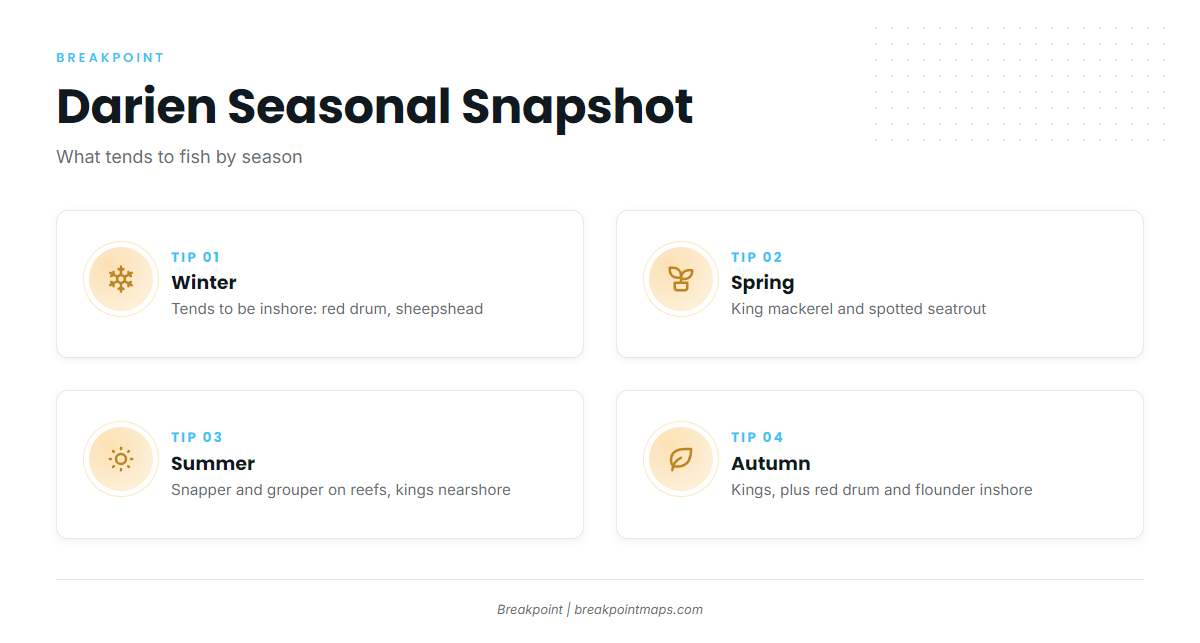
Winter
Red drum, black drum, spotted seatrout and sheepshead lead the list. Winter tends to be an inshore season here.
Spring
King mackerel and spotted seatrout show as the water warms. Kings tend to work the nearshore water first.
Summer
You might find kings on the nearshore reefs. Snapper and grouper hold on the reefs and at Gray’s Reef. Tripletail and tarpon work the nearshore water, and spotted seatrout and flounder fish inside.
Autumn
King mackerel return, and red drum, spotted seatrout and flounder fish inshore.