



About Atlantic City
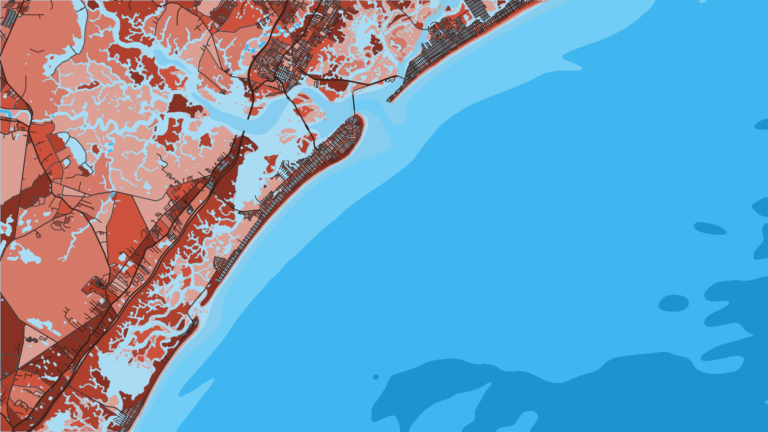
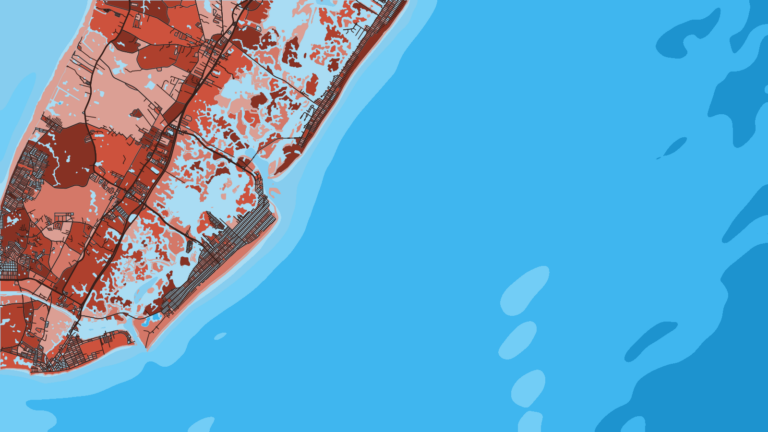
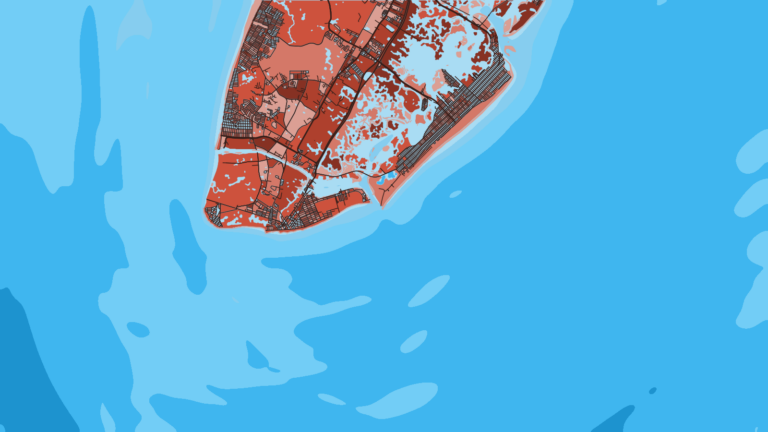
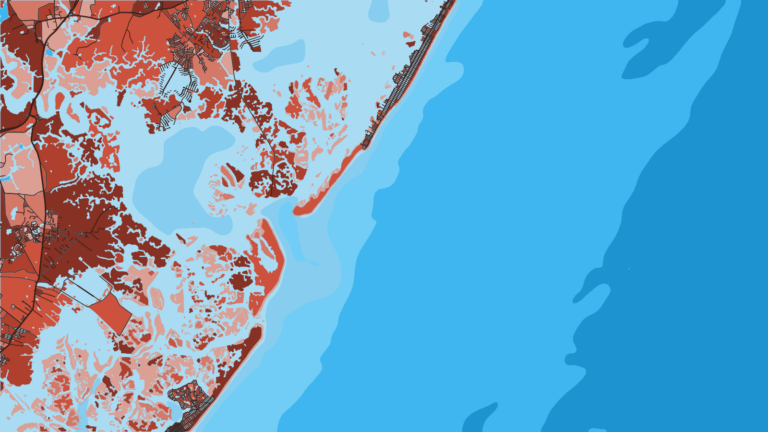
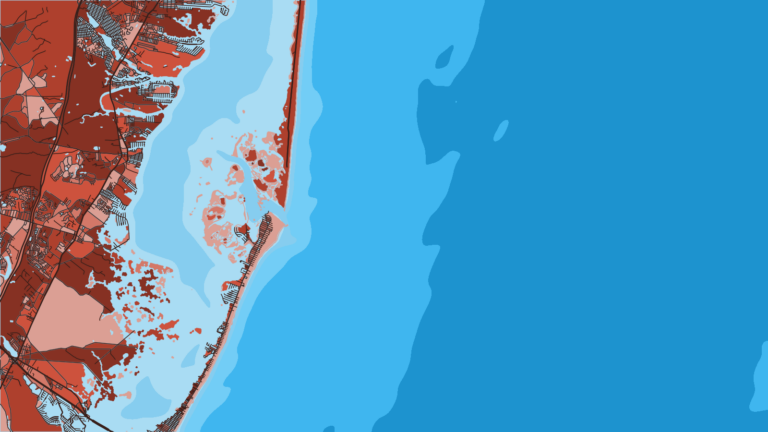
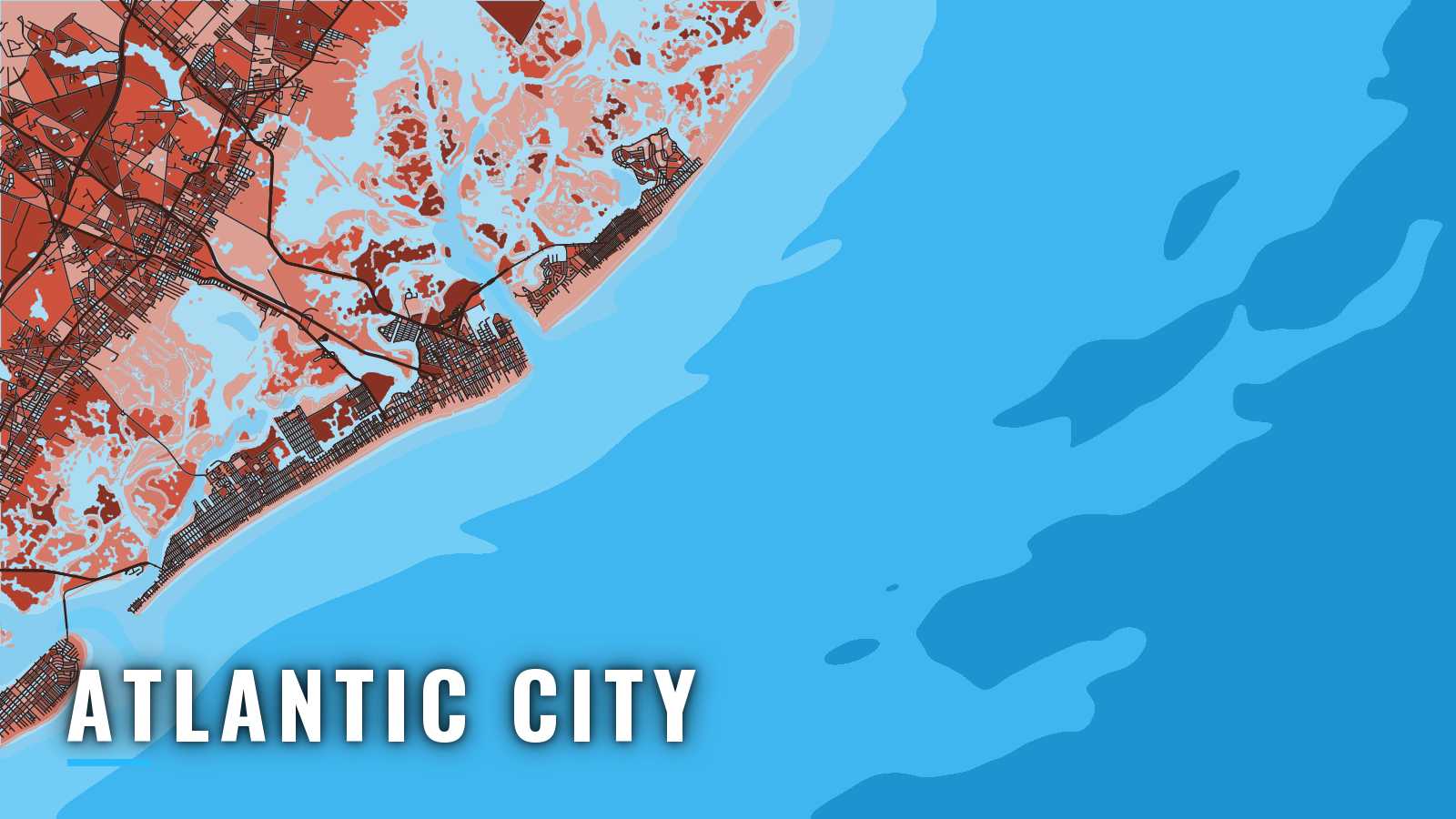
Atlantic City sits on the south side of Absecon Inlet, the opening that links Absecon Bay and the New Jersey Intracoastal Waterway to the Atlantic. Boats here work back-bay fluke, artificial-reef wrecks a few miles offshore, and longer offshore tuna and shark trips, with striped bass in the inlet and on the reefs. The main offshore season generally runs from late spring into autumn, and winter trips depend on the weather window. Species detail is in the species guides, and the wider Northeast picture covers the region.
This guide covers where to launch or tie up, how the inlet behaves, and what the grounds and seasons offer.
Access and navigation
Atlantic City and the waters around it have these public ramps and marinas:
- Faunce Landing Boat Ramp – City of Absecon ramp on the Absecon Bay side.
- Atlantic City municipal boat launch – City launch at Albany Avenue and Boulevard Avenue.
- Brigantine public boat ramp – Public ramp at Sixth and Bayshore avenues, across the inlet.
- Senator Frank S. Farley State Marina – Fuel and transient slips. Reservations are recommended. The basin is dredged to 8 feet at mean low water, and NOAA weather runs on VHF Channel 2.
- Kammerman’s Marina, Gardner’s Basin – Fuel dock with diesel, transient dockage and boat services.
Inside the inlet
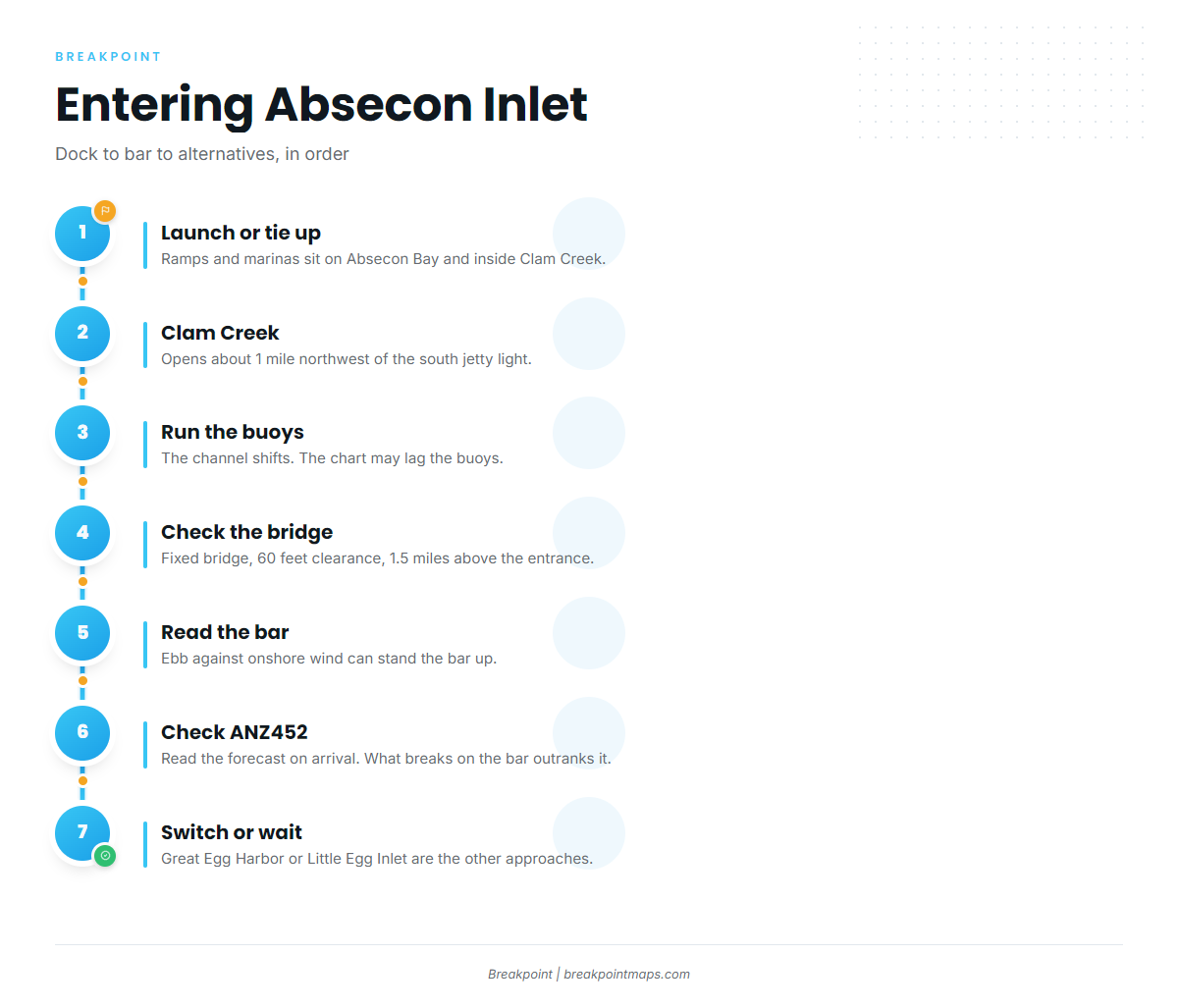
Clam Creek opens about 1 mile northwest of the south jetty light and holds Gardner’s Basin and the State marina basin. The Coast Guard station sits on the north side of the creek entrance, and a red buoy near shore marks the basin entrance just inside the inlet.
A fixed highway bridge with 60 feet of clearance crosses the channel 1.5 miles above the entrance, and flow of 2.5 knots has been reported at the span. The channel meets the New Jersey Intracoastal Waterway 1.9 miles above the south jetty. Boats with a tall rig should check clearance before going inside. NOAA Coast Pilot 3, Chapter 4 is the reference for the entrance.
How the entrance behaves
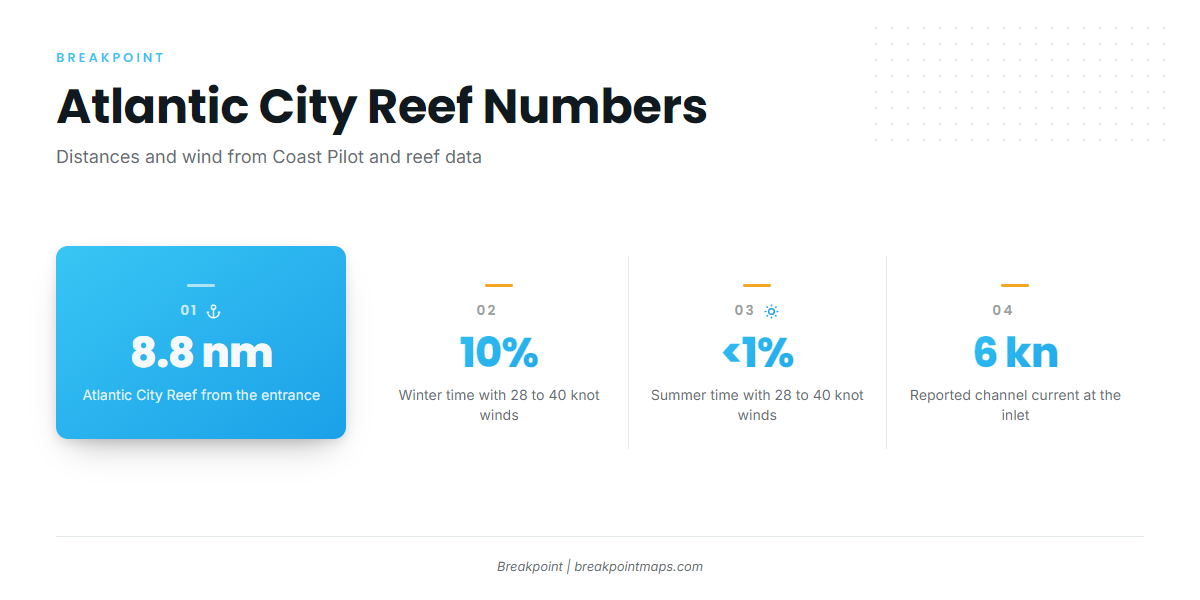
The channel through Absecon Inlet shifts over time, and the buoys get moved to mark the best water. The chart may lag the buoys, so follow the buoys. Current up to 6 knots has been reported in the channel.
An ebb running out against an onshore wind can stand the bar up, and entry gets difficult in easterly gales and heavy seas. Coast Pilot guidance is that inlets on this coast are generally entered on a rising tide with a smooth sea.
Alternative approaches
Great Egg Harbor Inlet lies 7 miles southwest. Its bar can show breakers even in moderate weather, so it has its own limits and is not an easier option. Little Egg Inlet is 8.7 miles northeast.
Before you commit
Look at the water when you arrive and check the ANZ452 marine forecast for Little Egg Inlet to Great Egg Inlet out 20 nm. If conditions look bigger than you want, switch approaches or wait. What is breaking on the bar takes priority over the forecast. Farley’s VHF Channel 2 NOAA weather is a dockside check.
Fishing conditions
The New Jersey Division of Fish and Wildlife sets the rules, so check New Jersey rules before you fish. Black sea bass and summer flounder rules change by season and quota.
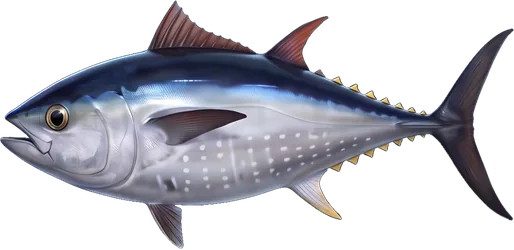
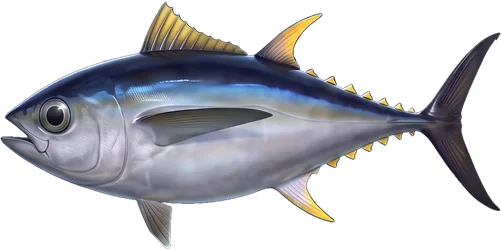
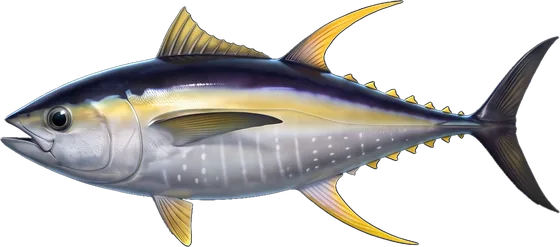
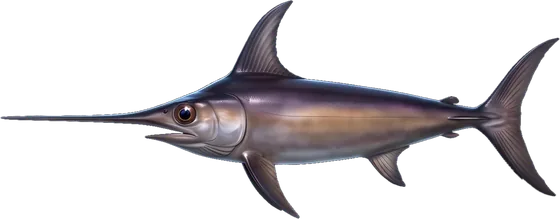
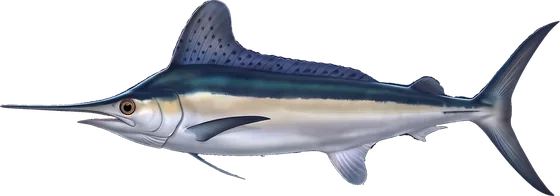
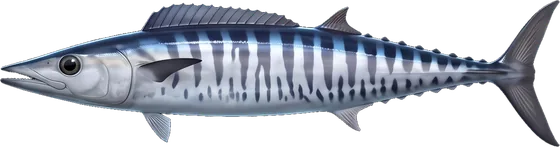
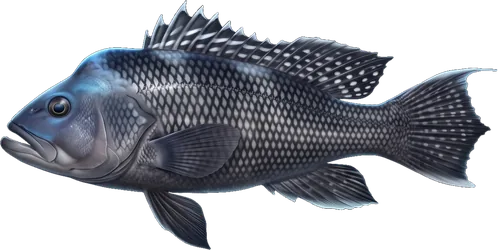
The named grounds off Atlantic City are Atlantic City Reef, 8.8 nm from the entrance, and Great Egg Reef. Both belong to the NJ artificial reef program, and the NJ artificial reef guide carries the maps, which are not for navigation. Reef and wreck bottom fish over Atlantic City Reef include black sea bass. Farther out, the offshore grounds hold tuna, and sharks are worked inshore of the canyons.
Before committing fuel to an offshore run, check OBS SST and Chlorophyll for edges. Chart layers are not for navigation.
Winter
Strong winds are most common from November through March. Winds of 28 to 40 knots blow about 10 percent of the time in winter, versus under 1 percent in summer. Gales are slightly more frequent between Atlantic City and Cape May. Trips are fewer and shorter, and they fit inside weather windows to the reefs. Holdover striped bass and reef bottom fish can be options.
Spring
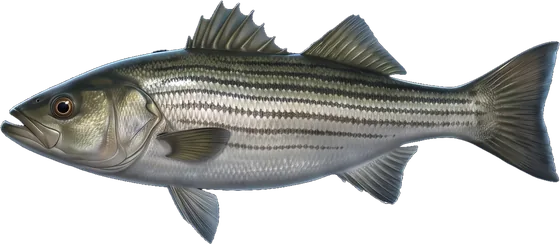
Striped bass generally show in and around Absecon Inlet, along with winter flounder and drum. Advection fog is most frequent in late spring and early summer, so carry radar and keep a visibility plan.
Summer
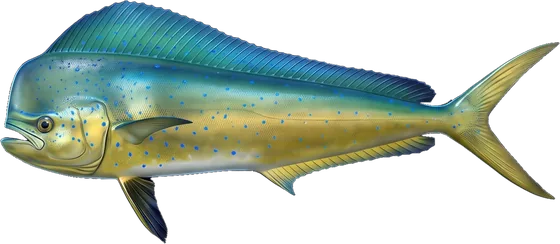
Tuna and sharks are on the offshore grounds, and mahi can join them. The guides cover mahi off the Northeast coast and mahi tactics. Summer flounder (fluke) work the back bay behind the inlet. With the wind risk at its lowest, summer is the easiest season to reach the offshore grounds.
Autumn
Striped bass generally move out to the nearshore reefs. Seas build most often from September through March, so windows shorten. Bluefin can be part of the autumn offshore picture. Fish the reef bottom for black sea bass when the weather opens a window.