


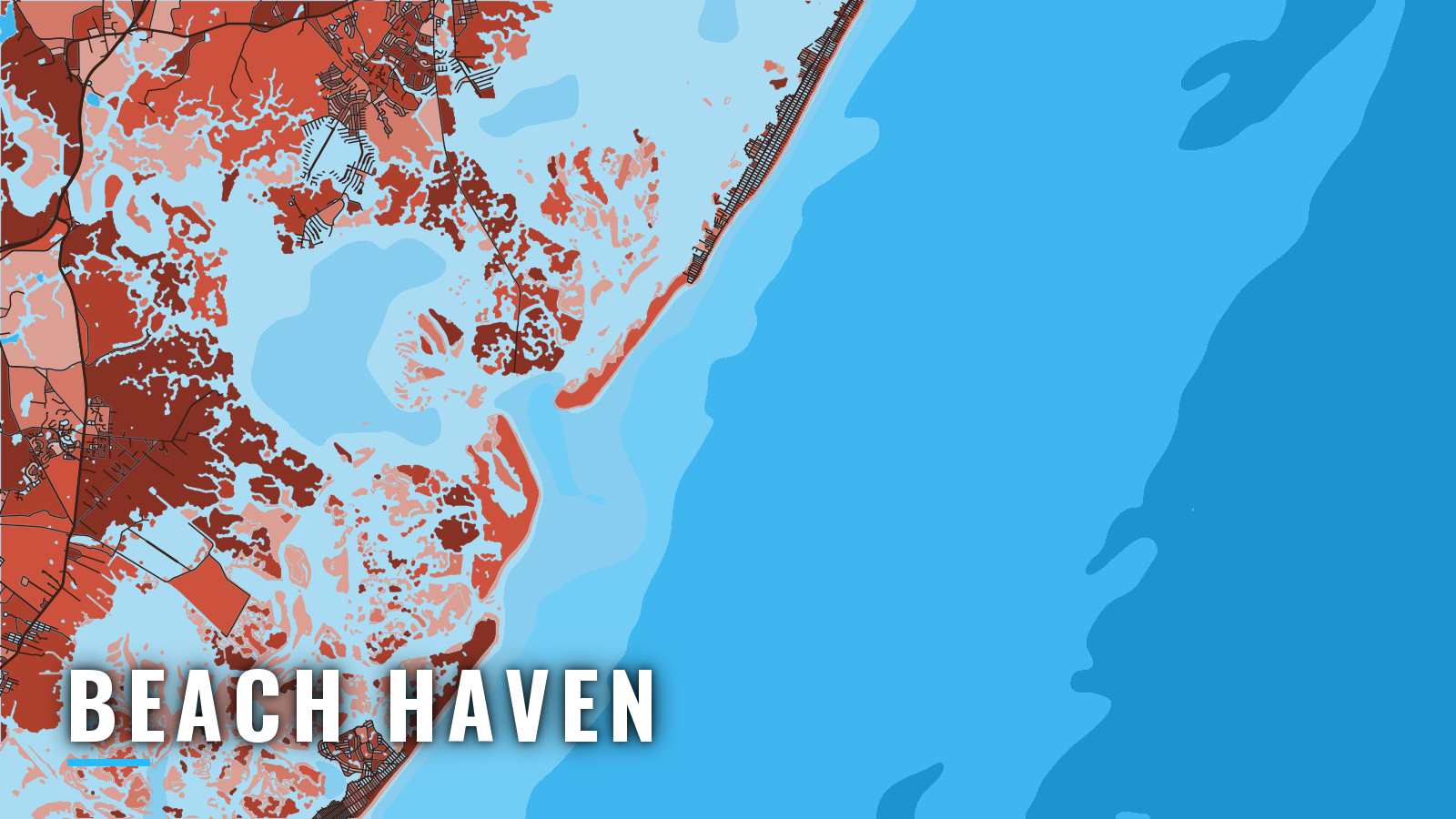

About Beach Haven
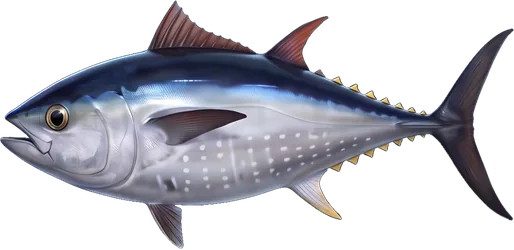
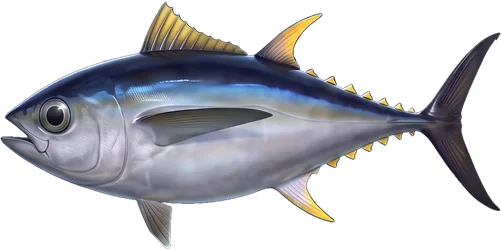
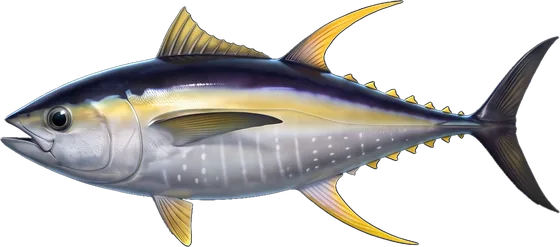
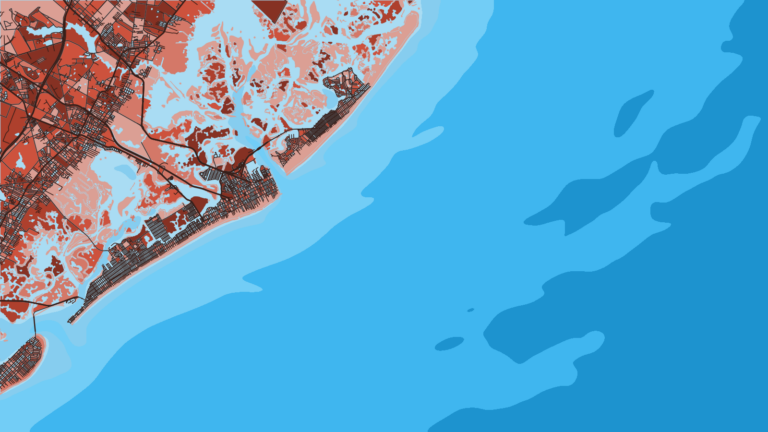
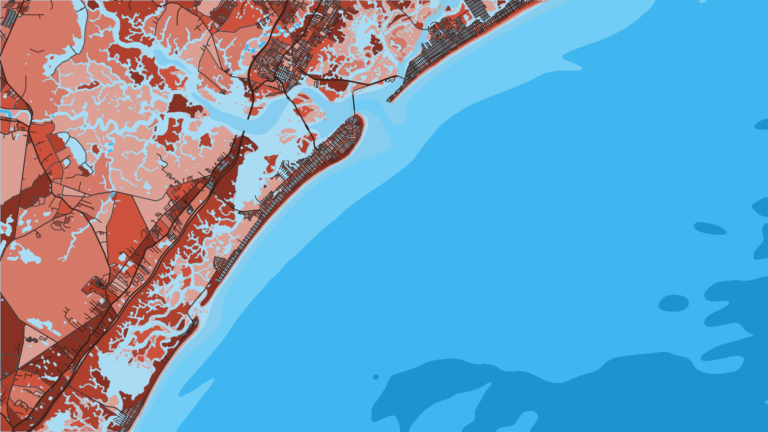
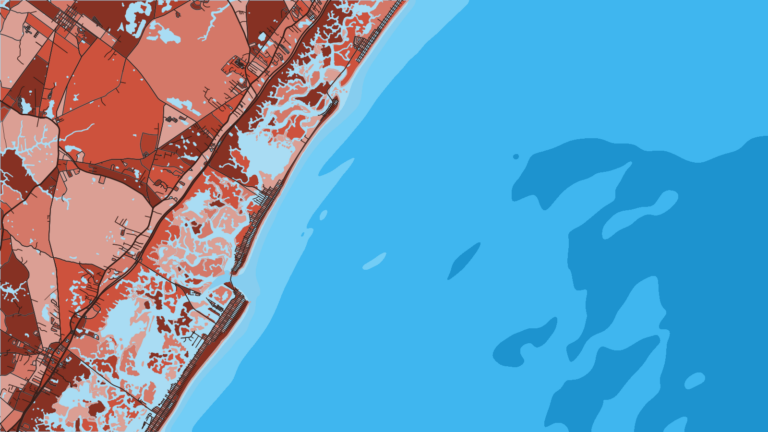
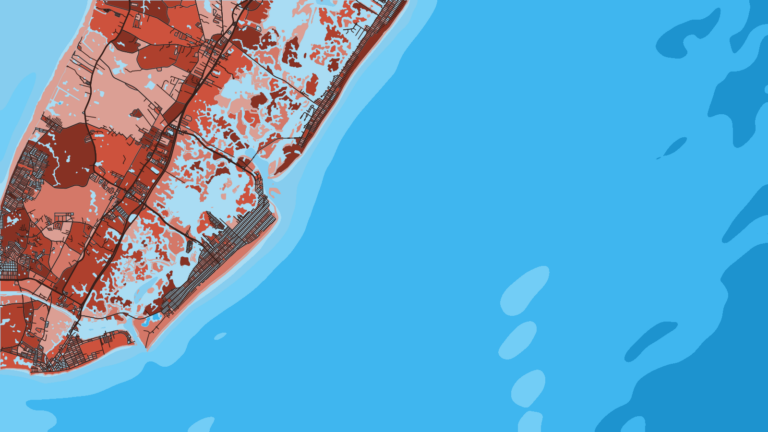
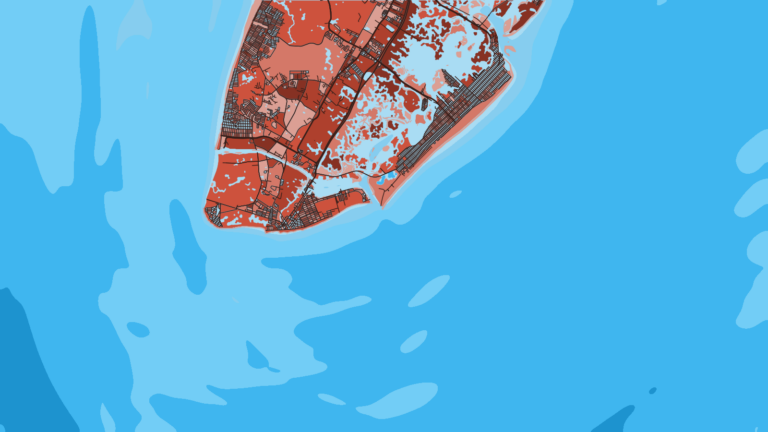
Beach Haven sits bayside on southern Long Beach Island, behind Little Egg Harbor. Boats reach the Atlantic through Little Egg Inlet. Fishing runs year-round and peaks offshore in summer and autumn, in line with the wider Atlantic Northeast season. Anglers here target bluefin tuna and other tuna, black sea bass, fluke, striped bass, tautog and tilefish. Beach Haven is one of the southern New Jersey ports within reach of the reefs, the tuna grounds and Hudson Canyon.
The state sets the rules for what you keep, so check the NJDEP marine fishing rules before fishing. Anglers 16 and older register with the free Saltwater Recreational Registry. Tunas and billfish require a federal HMS permit. Private boats targeting tilefish need the free Private Recreational Tilefish Vessel Permit.
Access and navigation
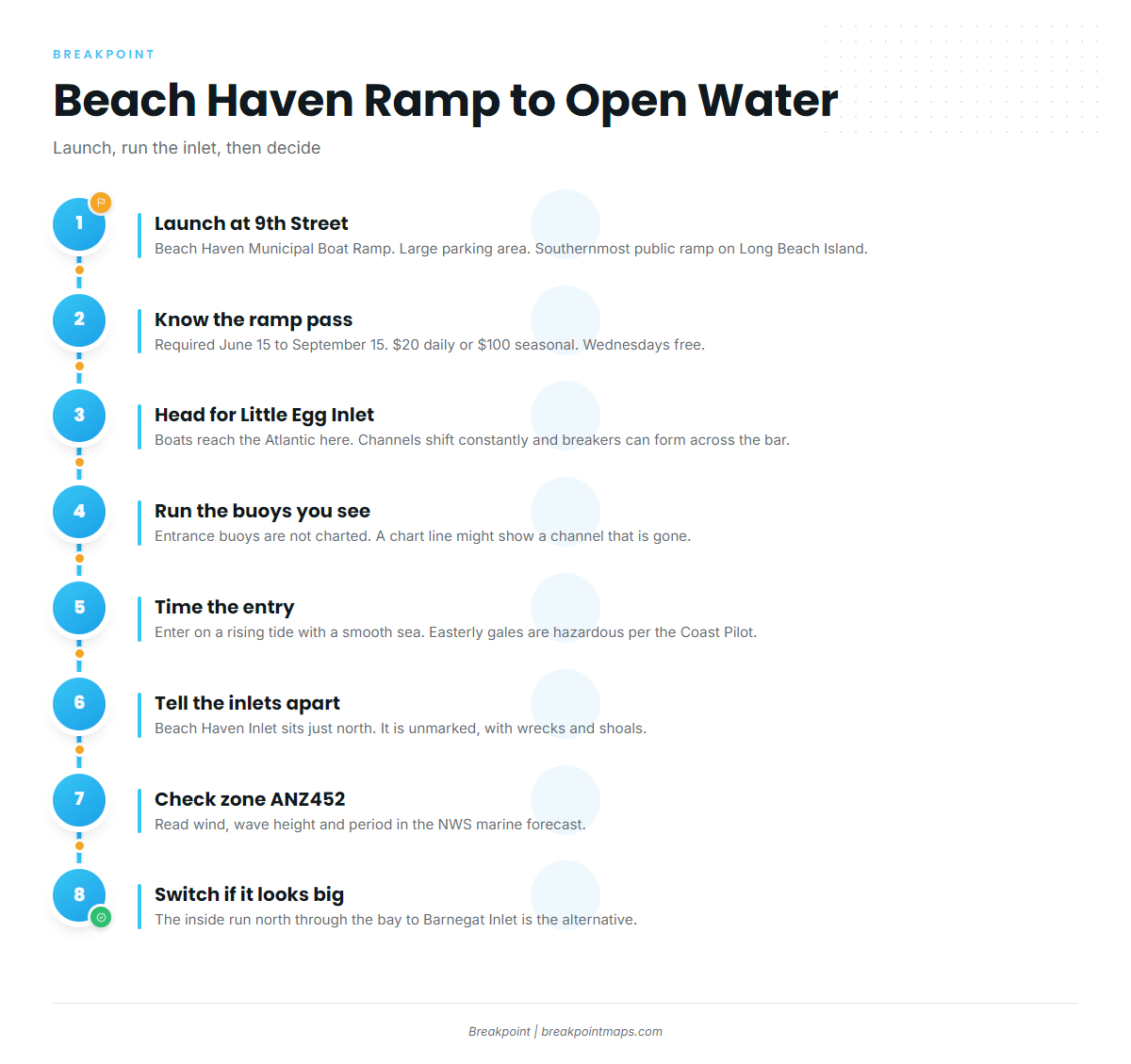
Beach Haven has one public ramp:
- Beach Haven Municipal Boat Ramp – 9th Street at the bay, in Taylor Ave Waterfront Park. It has a large parking area and is the southernmost public ramp on Long Beach Island. A pass is required June 15 through September 15, at $20 daily or $100 seasonal. Summer hours are 6am to 4pm, with Wednesdays free.
From the ramp, you run the bay to Little Egg Inlet. According to NOAA Coast Pilot 3, Chapter 4, local pleasure and fishing boats use the inlet considerably, and depth over the bar is described as ample for any vessel that can navigate the inside waters. In very heavy weather, breakers can form all the way across the bar. The channels and shoreline change constantly.
The entrance buoys are not charted because they are shifted often, so a chartplotter line or any chart layer can show a channel that is no longer there. Run the buoys you see rather than the line on the screen. An unmarked, partially submerged wreck has been reported near 39°29’09"N, 74°17’31"W.
Coast Pilot guidance for New Jersey’s shifting-bar inlets is to enter on a rising tide with a smooth sea. It describes passage in easterly gales and heavy seas as hazardous.
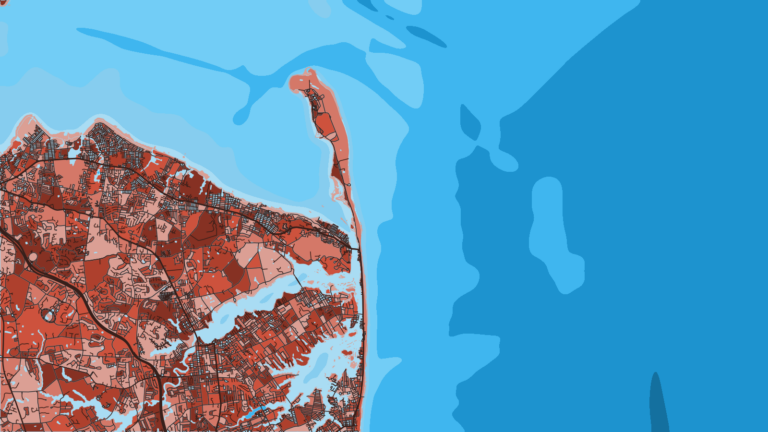
Beach Haven Inlet is a separate water and not an option. It is unmarked, with numerous wrecks and shoal spots at the entrance and a channel that changes. Its entrance sits close north of Little Egg Inlet and can be mistaken for it, so confirm which one you are approaching.
The alternative approach is the inside run north through the bay to Barnegat Inlet.
On arrival, look at the water. Check the NWS forecast for zone ANZ452, which covers Little Egg Inlet to Great Egg Inlet out 20 NM, and read the wind, wave height and period. If conditions look bigger than you want, switch approaches.
Fishing conditions
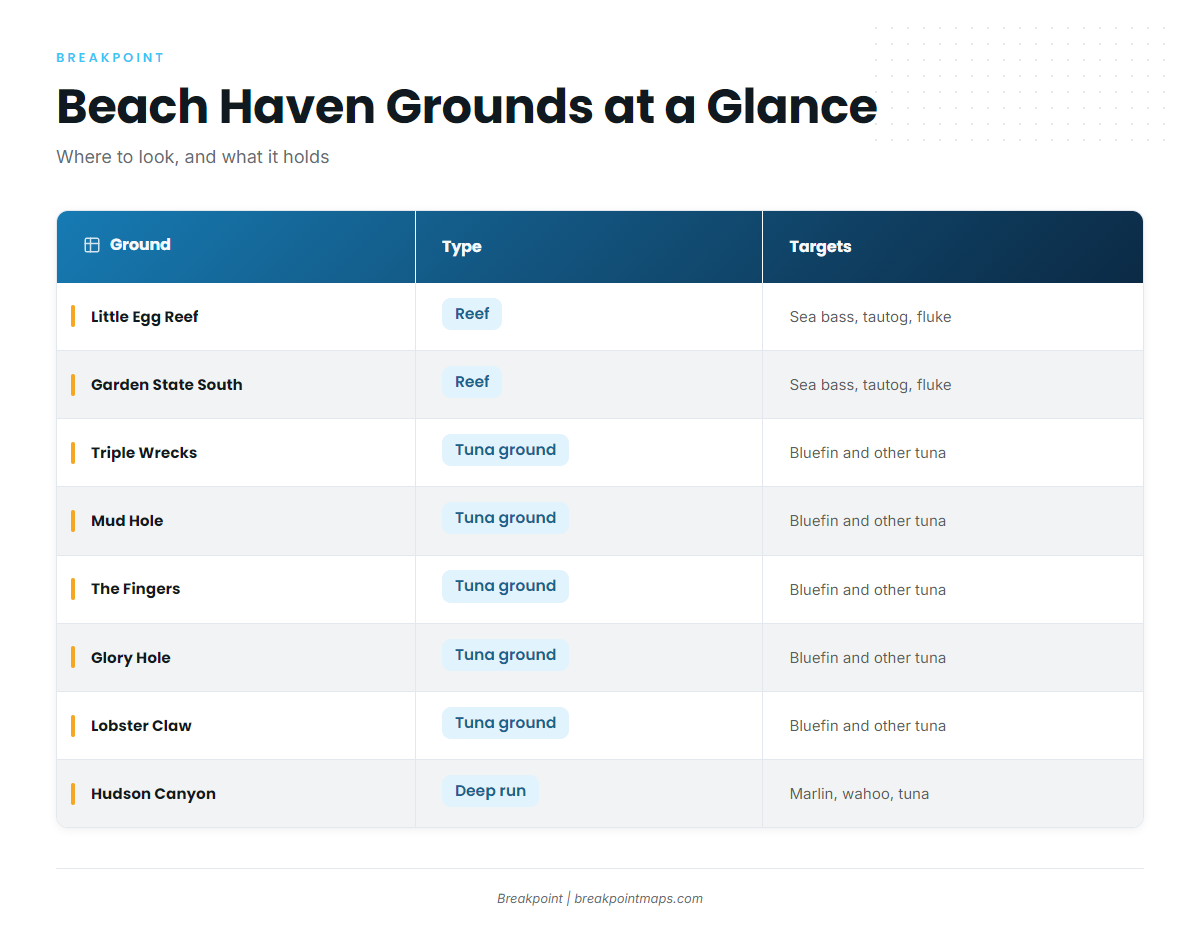
The grounds you can enter into a plotter:
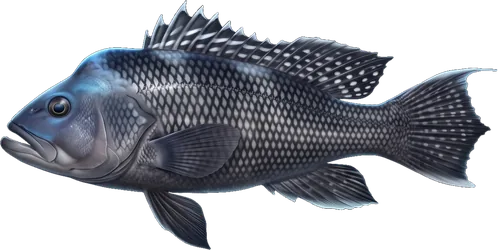
- Little Egg Reef and Garden State South Reef: bottom fish, including black sea bass, tautog and fluke.
- Triple Wrecks, Mud Hole, The Fingers, Glory Hole and Lobster Claw: the tuna grounds.
- Hudson Canyon: the deep run.
Reef positions are in the NJDEP Artificial Reef Deployments map, part of the state’s artificial reef program. Fish on reefs hold tight to structure and can take hooks and sinkers.
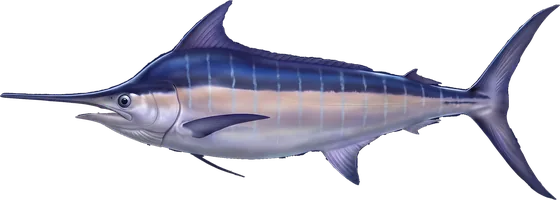
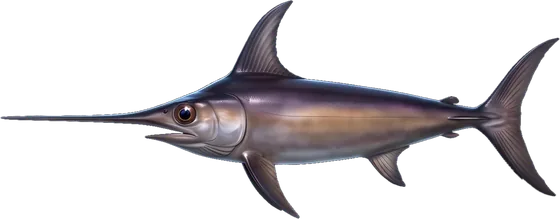
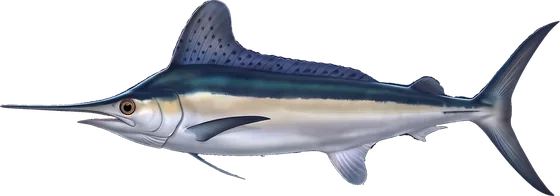
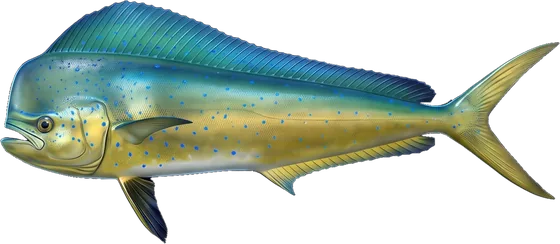
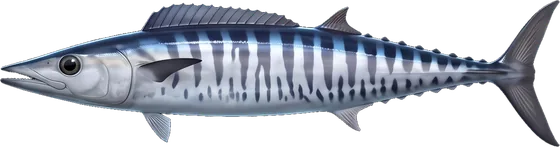
Tactics for each species are in our guides to white marlin, blue marlin, wahoo, mahi-mahi and swordfish.
Winter
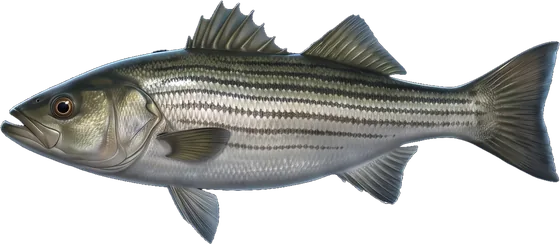
Striped bass and bluefin tuna are the winter targets. The forecast decides the day, so read it before you commit to the inlet.
Spring
Striped bass, tautog, fluke, black sea bass and ling arrive in spring. Out of Beach Haven, the bottom species tie to Little Egg Reef and Garden State South Reef. Season dates and limits change, so check NJDEP before you plan.
Summer
Summer has the widest list: fluke, tuna, tilefish, black sea bass, ling, bluefish, weakfish, croaker and blowfish. The free tilefish vessel permit applies to private boats chasing tilefish.
Past the tuna grounds, the Hudson Canyon edges are where anglers look for white marlin in the Atlantic Northeast, blue marlin off the Northeast and Northeast canyon wahoo.
Before you commit fuel to the canyon, check the OBS SST, Chlorophyll and Chart Contours layers in Breakpoint along the edges toward Hudson Canyon for a better read on where to look. Chart layers are not for navigation.
Autumn
Black sea bass, tuna and striped bass round out the year. Autumn tends to be a strong offshore tuna window, and striped bass work the inshore water as the fish move through.