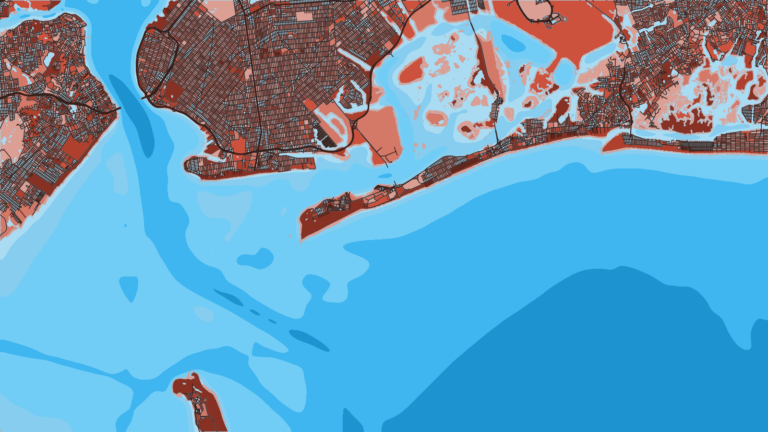



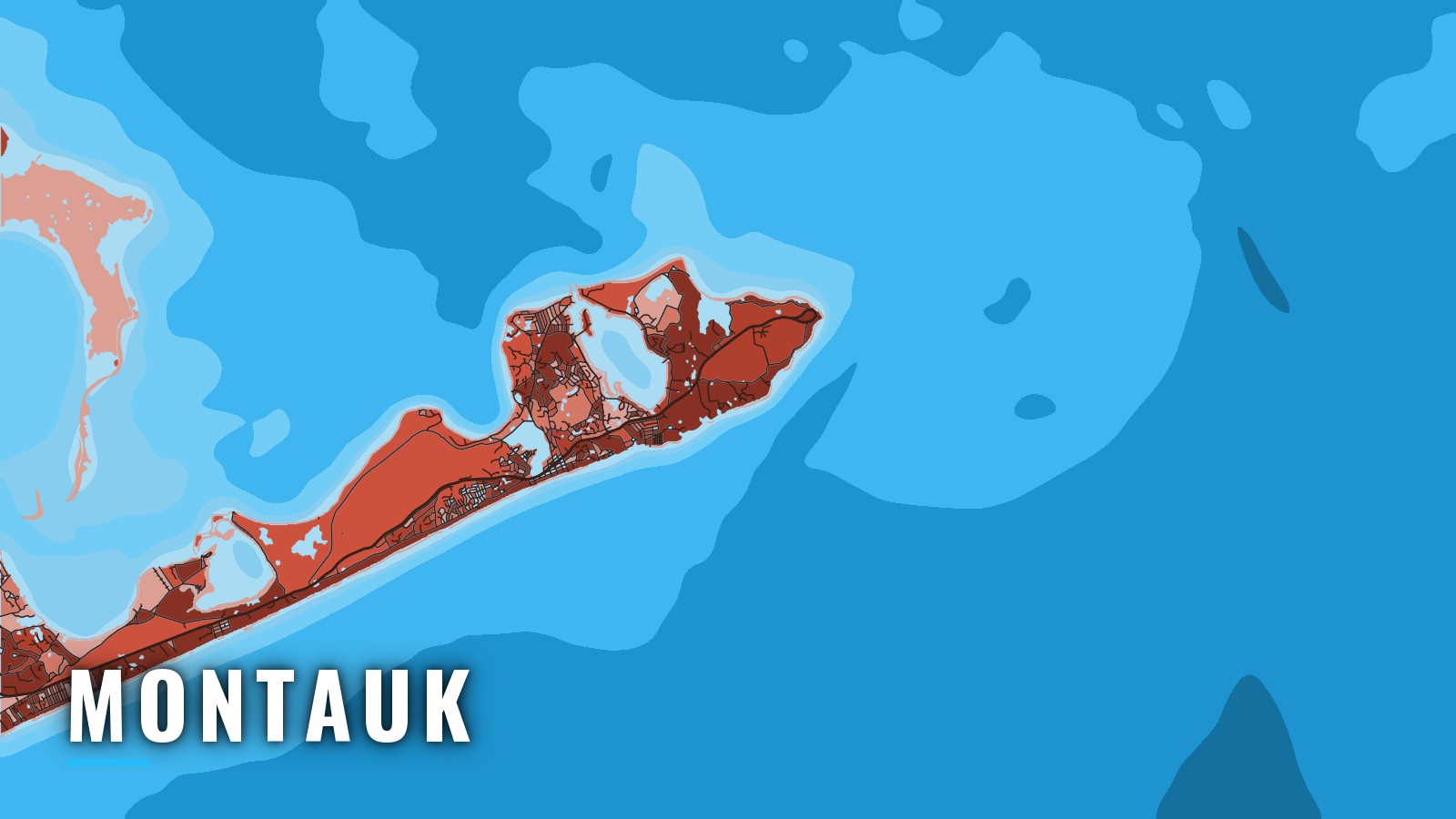

About Montauk
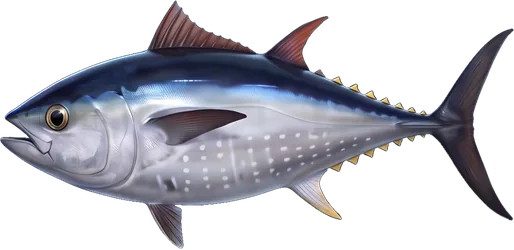
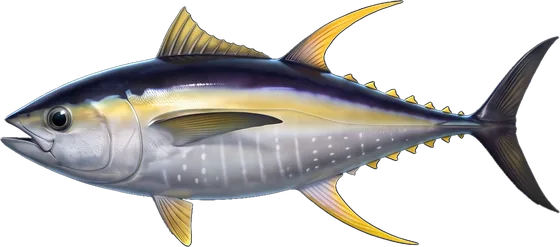
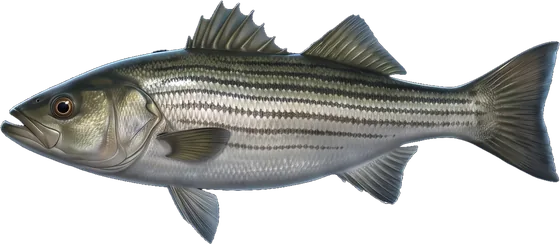
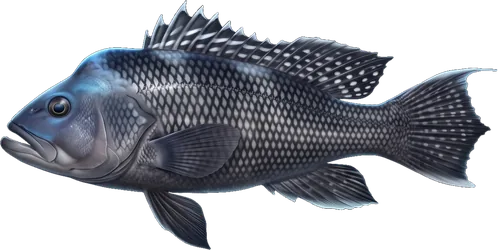
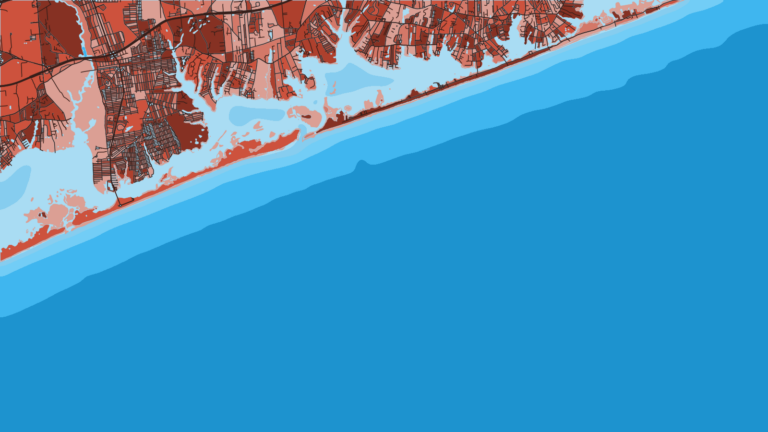
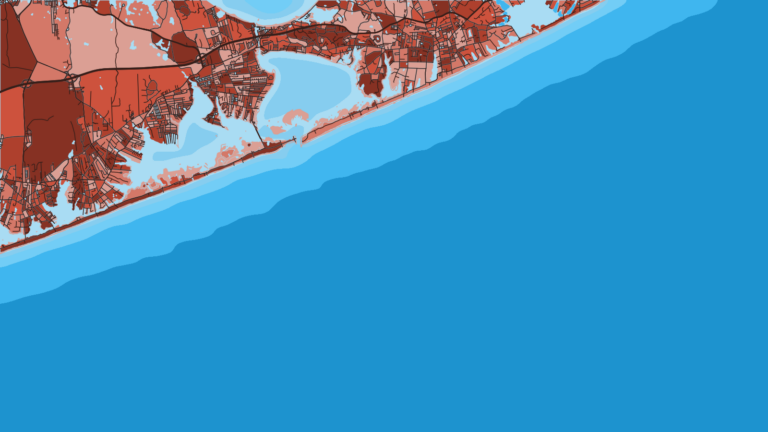
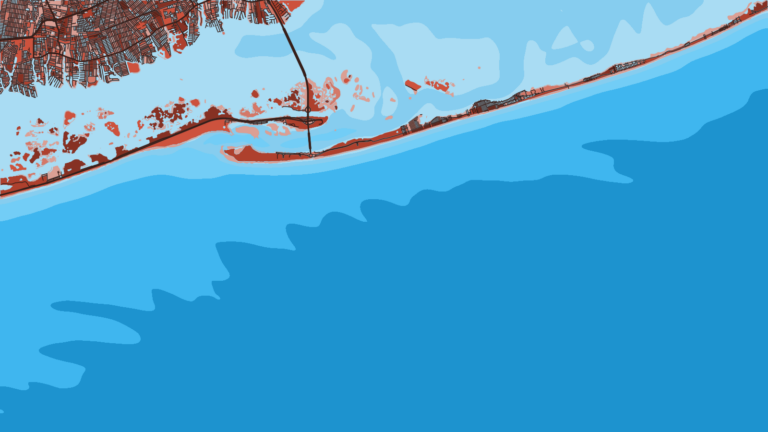
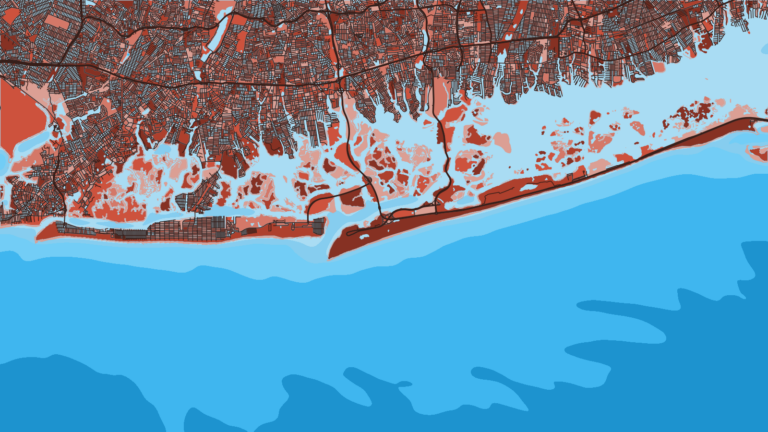
Montauk Harbor sits in the northern part of Lake Montauk and is reached through a jettied, dredged channel on the north shore, about 3 miles west of Montauk Point. Boats fish the rips and shoals around the Point, the grounds of Block Island Sound, and offshore water to the south. The port anchors Atlantic Northeast fishing at the eastern tip of Long Island. Anglers target striped bass, fluke, black sea bass, porgy, bluefish, false albacore, bluefin and yellowfin tuna, and sharks, with blackfish and cod in the cold months.
The New York State Department of Environmental Conservation sets the rules in state waters, and limits change by season and quota. Check the NYSDEC recreational fishing regulations and the New York rules page before you fish. Anglers 16 and older need the free New York Recreational Marine Fishing Registry, and you can enroll in the registry online. Tuna fishing, including in state waters, also needs a NOAA Highly Migratory Species permit, which is a vessel permit.
Access and navigation
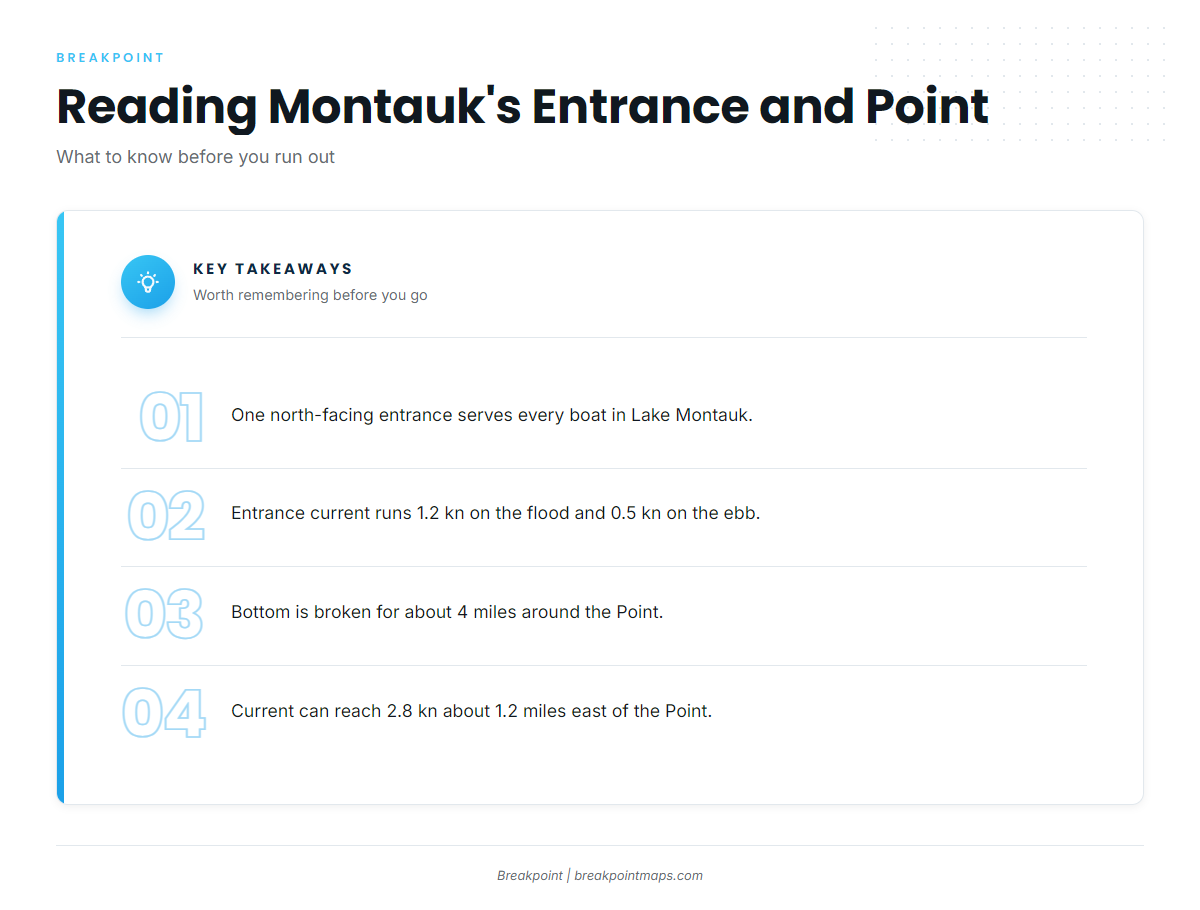
Montauk boats launch and fuel inside Lake Montauk, and everything heads out through one north-facing entrance.
Ramps and marinas
- West Lake Launching RampTown of East Hampton multi-lane ramp into Lake Montauk. Parking tends to require a town permit.
- Fort Pond Bay ParkTown of East Hampton launch sized for kayaks and canoes.
- Montauk Anglers Club & Marinaprivate ramp and marina.
- Sam’s Star Island Yacht Clubmarina with fuel listed.
- Westlake Marinamarina at the Westlake Fishing Lodge.
Entrance
Montauk Harbor is entered through a dredged channel between two lighted jetties, with a lighted bell buoy about 0.3 mile north marking the approach. The entrance faces north into Block Island Sound. Current runs about 1.2 kn on the flood and about 0.5 kn on the ebb, and it tends to fall off quickly once you are inside. The federal project depth is 12 ft in the entrance channel and 10 ft in the basin northwest of Star Island, per Coast Pilot 2, Chapter 7.
The Point
Current off Montauk Point can reach about 2.8 kn roughly 1.2 miles east of the Point. The bottom is very broken for about 4 miles around the Point, and the shoals show as rips at the strength of the current. A southerly or easterly wind against the ebb can make almost any rip stand up.
Alternative approach
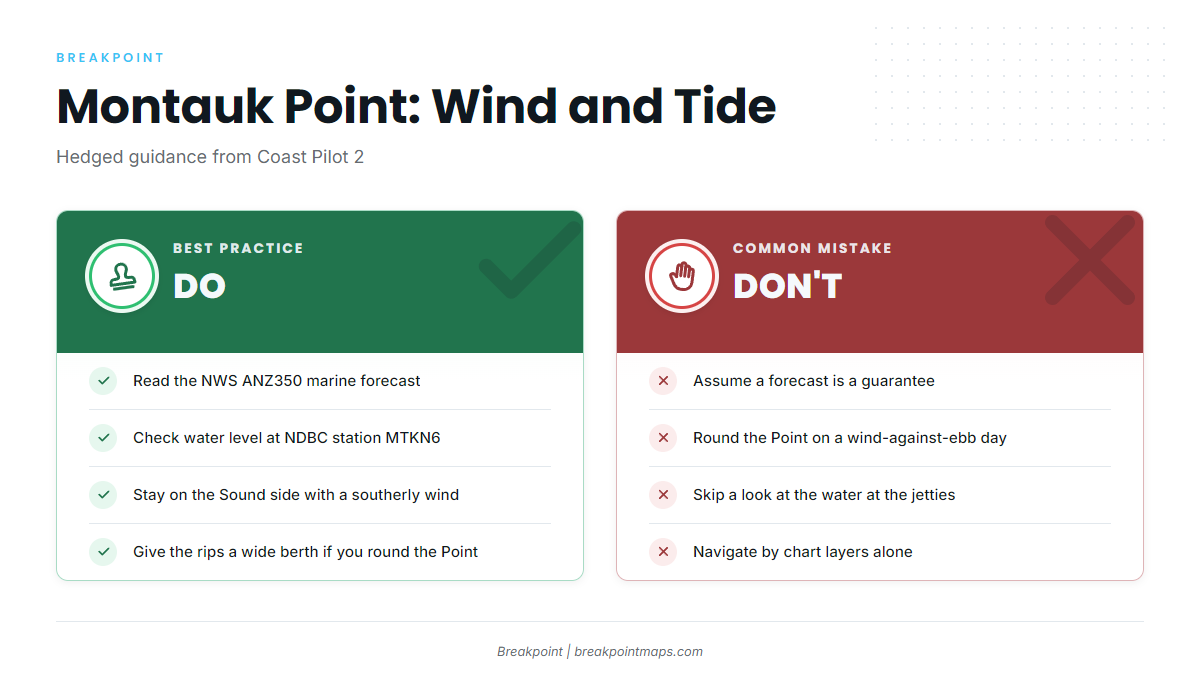
When the wind has south in it, staying on the Block Island Sound side tends to keep you in the lee, rather than rounding to the ocean side. If you do round the Point on a day with wind against the ebb, a wide berth around the rips is probably the better line.
Fog
Fog in Block Island Sound tends to be heaviest with southeast wind and usually lasts 4 to 12 hours.
Before you leave the dock
Look at the water at the jetties and read the NWS ANZ350 marine forecast. Check water level at NDBC station MTKN6. If the Point looks bigger than you want, switch to the Sound side.
Fishing conditions
Montauk fishes a chain of named grounds, from inshore to offshore. The Elbow and Pollack Rip sit near the Point. Beyond them are the Frisbees, the Pocketbook, Great Eastern, and Apple Tree. Cartwright Grounds lies in about 90 ft. Coxes Ledge, Butterfish Hole, and the Fishtails (Block Canyon) are the offshore grounds.
At Butterfish Hole and the Fishtails, warm water can push onto the shelf, and that is when yellowfin in the Northeast show up. Mahi in the Northeast can appear along the shelf edge when that warm water arrives.
OBS SST and Chlorophyll show where the warm water and color sit before you commit to the run. Chart layers are not for navigation.
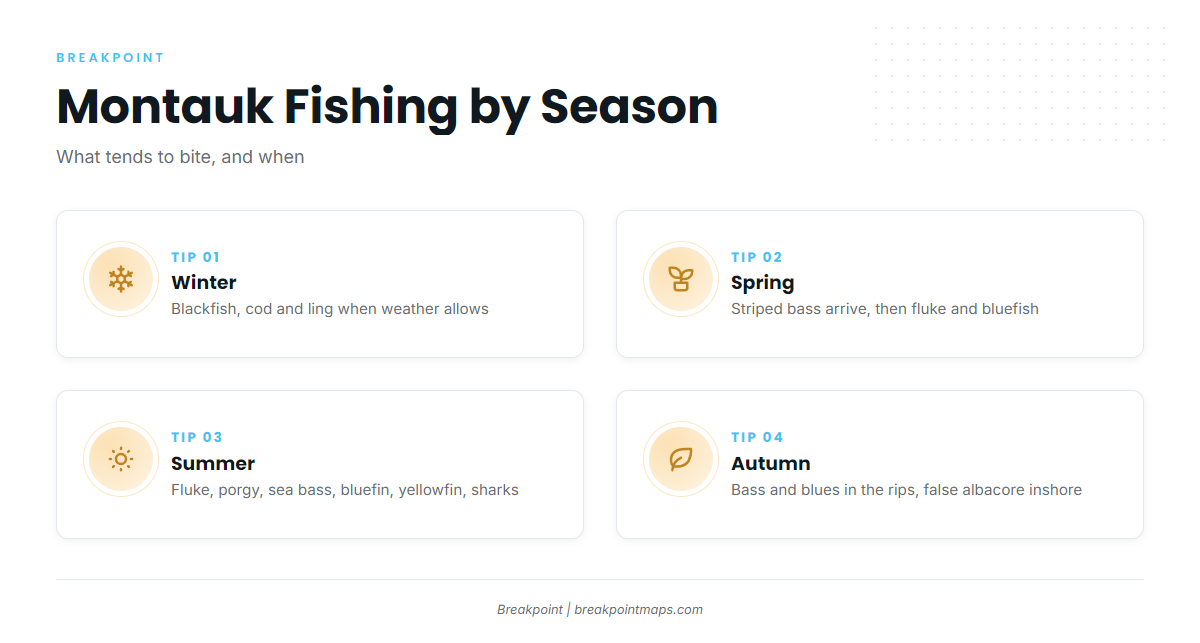
Winter
Blackfish, cod, and ling are the targets when the weather allows. Check the forecast numbers before you commit to any run.
Spring
Striped bass arrive and work the rips at the Point. See the striped bass guide for the fishery. Fluke and bluefish follow. Blackfish, cod, and ling carry over from winter.
Summer
Bottom fishing turns to fluke, porgy, and black sea bass. Offshore, boats work bluefin and yellowfin tuna, along with sharks. Mahi can show when warm water pushes in. Bass and blues stay in the rips.
Autumn
Bass and blues work the rips, and wind against the ebb matters here too. False albacore and bonito run inshore, while sea bass and porgy stay on the bottom. Bluefin in the Northeast carry into fall.